Energy prices in Europe rise - Heat wave curbs French nuclear and German wind production


The fifth wave of summer heat has pushed up electricity prices in Europe by more than 20%, with high temperatures expected to further limit nuclear power generation in France, while wind speeds in Germany are expected to slow.
French electricity prices for the previous day rose 21.8% to 142.5 euros/megawatt hour, while the equivalent German contract rose 22.8% to 138.50 euros/MWh, LSEG data showed.
France relies on nuclear power for about 70% of its energy production. Two French nuclear reactors are expected to be completely out of service due to high water temperatures, while four units have planned restrictions. Another nuclear reactor is expected to be out of service due to low river levels.
French rules limit the amount of heat that power plants can discharge into rivers to protect the environment, forcing reactors to reduce output when water temperatures rise during heat waves.
Meanwhile, German wind power production is expected to fall by 8.1 GW to 4.7 GW, about 60% below average for this time of year, LSEG data showed.
Heat waves tend to bring calm weather, limiting wind production and increasing reliance on gas power, which is increasingly expensive due to ongoing disruptions in the Strait of Hormuz. Germany's growing reliance on wind and solar power has replaced gas and coal, so when wind speeds drop, the country must increase gas turbine capacity to fill the gap.
The heatwave will also increase demand for energy as people turn on fans and air conditioners, putting more pressure on prices. Temperatures are expected to continue to rise in the coming days, reaching between 35 and 39 degrees Celsius in most regions, but could start to fall over the coming weekend, Meteo-France said.

Global youth unemployment on the rise - Causes, slow job creation and the risk of AI
Global youth unemployment rose in 2025 as weaker economic growth, geopolitical tensions and slow job creation made it harder for young people to find work,......
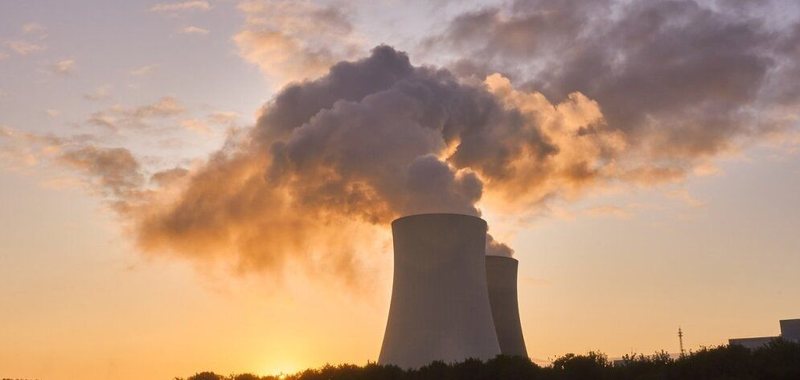
Romania may close nuclear reactor - Danube River levels drop to minimum
Romanian state-owned nuclear power producer Nuclearelectrica could shut down its last operating reactor on August 13th, as levels in the Danube River......

Leading the way on cybersecurity, Prime Minister Rama: There is no cure for the pain of haters
Prime Minister Edi Rama has responded to all those who reacted to the news of Albania's ranking at the top of the world in terms of cybersecurity with a post......

Vučić 'sandcastle' with Ibri! Here's what chief negotiator Dhuka writes to her Serbian counterpart
Following the statements of Serbian President Vučić on the plans for the diversion of the Ibar River, which is vital for Kosovo, Albanian politics has also......
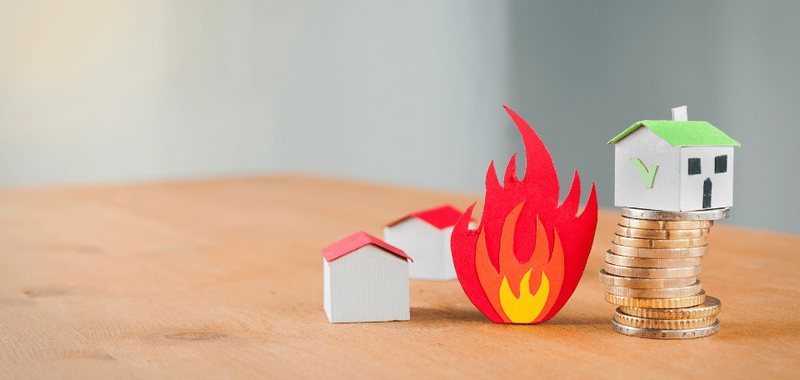
Only 33 thousand properties insured against fire - AMF: Disaster damages are increasing, but many citizens are still hesitant to protect their homes
Despite the fact that from year to year, Albania is being engulfed by a heat wave that brings about the outbreak of numerous fires, which often endanger the......

Albania, first in cybersecurity - Rama: After the 2022 attack, cyber defense was strengthened
Albania has been ranked first in the National Cyber Security Index, NCSI, with 98.33 points, sharing the highest score with the Czech Republic. The index......
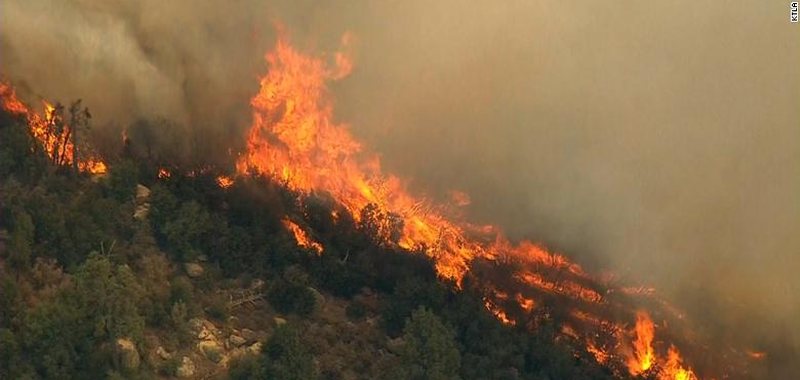
Will the fires spare Albania this summer? - August brings the biggest challenge for civil emergencies. So far, the balance is better than last year
August has historically been the most challenging month for civil emergencies, due to the “explosion” of a significant number of large wildfires across the......

Albania emerges from demographic "minus" / But births fell again. The balance of the first 6 months of 2026 still remains negative
After a start to the year with more deaths than births, Albania has returned its natural population growth to positive territory in the second quarter of the......