Global youth unemployment on the rise - Causes, slow job creation and the risk of AI


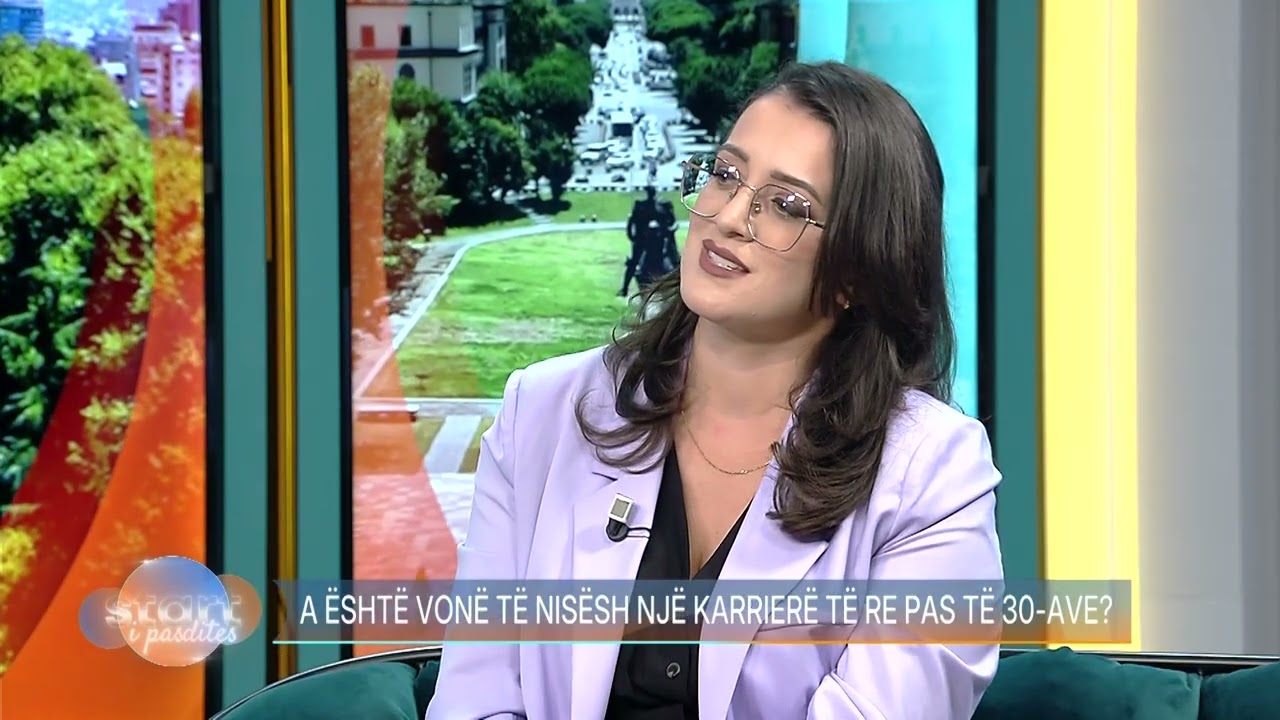
Global youth unemployment rose in 2025 as weaker economic growth, geopolitical tensions and slow job creation made it harder for young people to find work, the International Labor Organization said, warning that artificial intelligence could add to growing market pressures.
The global unemployment rate among young people aged 15-24 rose to 12.4% last year from 12.3% in 2023, equivalent to 67 million young people aged 15-24 worldwide, according to a new report from the UN labour agency.
The increase marked a reversal of improvements seen after the COVID-19 pandemic and reflected a deterioration in both the quantity and quality of jobs available to young workers, the report said. The ILO said the share of young people not in employment, education or training (NEET) also rose to 20%, representing more than 257 million people.
"The picture is worsening almost everywhere," the report said, noting that youth unemployment rose between 2023 and 2025 in eight of the world's 11 subregions. Rates also rose in high-income, lower-middle-income and low-income countries.
Youth unemployment was highest in the Arab states at 26.2%, followed by North Africa at 22.6%, the report said. Some of the sharpest deteriorations occurred in the wealthiest economies, with youth unemployment in North America rising to 9.8% in 2025 from 8.3% in 2023. Across Northern, Southern and Western Europe, the rate was 15%.
The agency highlighted the decline in jobs requiring middle-level skills, including roles in office, administration, sales and production, which have traditionally provided an entry point into the job market for young people graduating from high school or university.
The trend could intensify as artificial intelligence transforms the workplace. The ILO estimated that 6.1% of jobs currently held by people aged 15 to 29 are in occupations most exposed to changes related to artificial intelligence. If just 10% of these jobs were to disappear completely, an estimated 5.6 million young workers, mostly in high-income countries, could face unemployment, career changes or exit from the workforce. While the long-term impact of artificial intelligence remains uncertain, the report said the risks should not be underestimated.
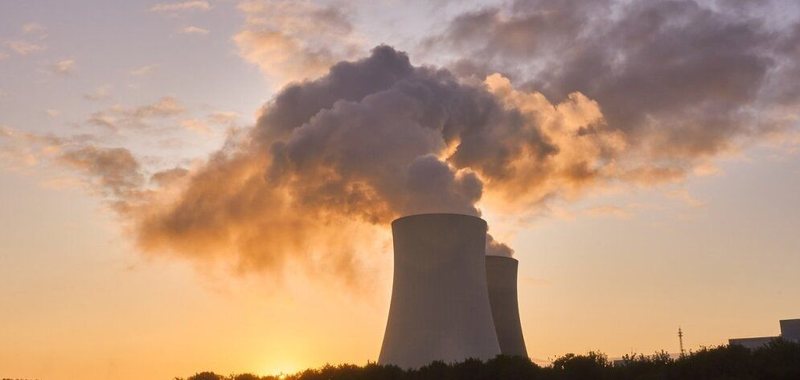
Romania may close nuclear reactor - Danube River levels drop to minimum
Romanian state-owned nuclear power producer Nuclearelectrica could shut down its last operating reactor on August 13th, as levels in the Danube River......

Leading the way on cybersecurity, Prime Minister Rama: There is no cure for the pain of haters
Prime Minister Edi Rama has responded to all those who reacted to the news of Albania's ranking at the top of the world in terms of cybersecurity with a post......

Vučić 'sandcastle' with Ibri! Here's what chief negotiator Dhuka writes to her Serbian counterpart
Following the statements of Serbian President Vučić on the plans for the diversion of the Ibar River, which is vital for Kosovo, Albanian politics has also......

Only 33 thousand properties insured against fire - AMF: Disaster damages are increasing, but many citizens are still hesitant to protect their homes
Despite the fact that from year to year, Albania is being engulfed by a heat wave that brings about the outbreak of numerous fires, which often endanger the......

Albania, first in cybersecurity - Rama: After the 2022 attack, cyber defense was strengthened
Albania has been ranked first in the National Cyber Security Index, NCSI, with 98.33 points, sharing the highest score with the Czech Republic. The index......
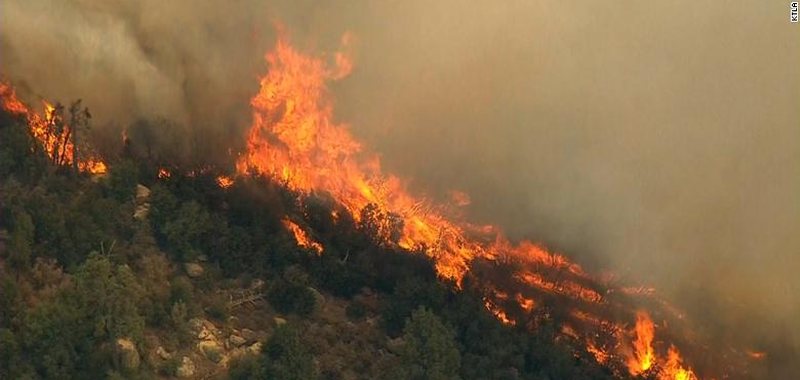
Will the fires spare Albania this summer? - August brings the biggest challenge for civil emergencies. So far, the balance is better than last year
August has historically been the most challenging month for civil emergencies, due to the “explosion” of a significant number of large wildfires across the......

Albania emerges from demographic "minus" / But births fell again. The balance of the first 6 months of 2026 still remains negative
After a start to the year with more deaths than births, Albania has returned its natural population growth to positive territory in the second quarter of the......

Retesting for the license, drivers are "filtered" - Not everyone gets their driving license back! Only 13.8% of candidates pass
Not all those who lose their driving license manage to regain it easily. Only 6 candidates have successfully passed the latest retest, out of 36 people......