Albania, increasingly attractive to Europeans and Asians/ From the Balkans to Europe, how the map of entry into the country is changing

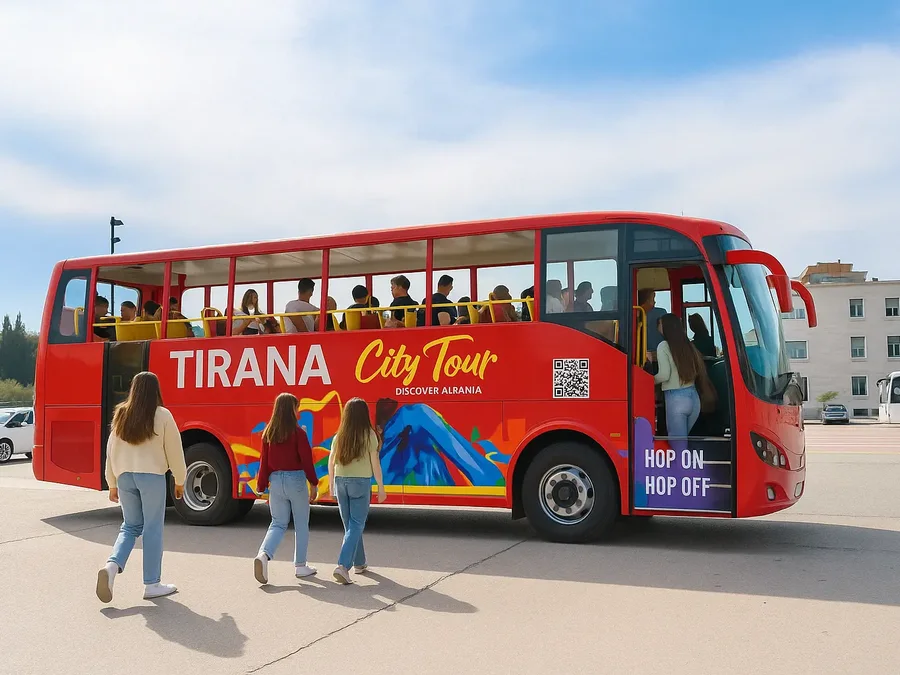
Foreign national arrivals in Albania have seen strong and continuous growth over the past decade. From 4.1 million arrivals in 2015, the number increased to almost 12.5 million in 2025, a total increase of over 200%. In 2025 alone, compared to 2024, arrivals increased by 6.6%, confirming the continuation of the upward trend even after the tourism boom of recent years.
The main weight of entries continues to remain regional. Kosovo leads convincingly with over 4.6 million entries in 2025, followed by Italy with 1.29 million and Greece with around 804 thousand entries. North Macedonia and Montenegro also remain important sources, with high and relatively stable flows over the years, which indicates that cross-border movement in the Balkans still constitutes the main axis of entries into the country.
Meanwhile, the strongest long-term growth has been recorded in several countries in Western and Central Europe. France, Germany, the Czech Republic, Poland, the Netherlands and the United Kingdom have multiplied their arrivals since 2015, with increases ranging from around 300 to over 600%. Germany also stands out for its annual growth in 2025, with over 20% more arrivals compared to 2024.
Significant growth is also seen in some more distant markets. The United States reached over 241,000 arrivals in 2025, while India, Israel and Ukraine recorded very high growth both in annual terms and compared to 2015. These developments indicate the gradual expansion of the map of visitor origins, beyond the traditional region.
On the other hand, several countries recorded declines in 2025, including Russia, Turkey, Poland and Romania, as well as the “Other Countries of the World” category, which continues to shrink significantly compared to 2015. These fluctuations are mainly related to geopolitical factors, market changes and greater concentration on European markets.

VAT refund, an effective process, but limited trust/ KI survey: 9 out of 10 companies receive the benefit
VAT refunds continue to be a process, with businesses showing a moderate level of confidence. According to the Investment Council survey data, about 1 in 2......
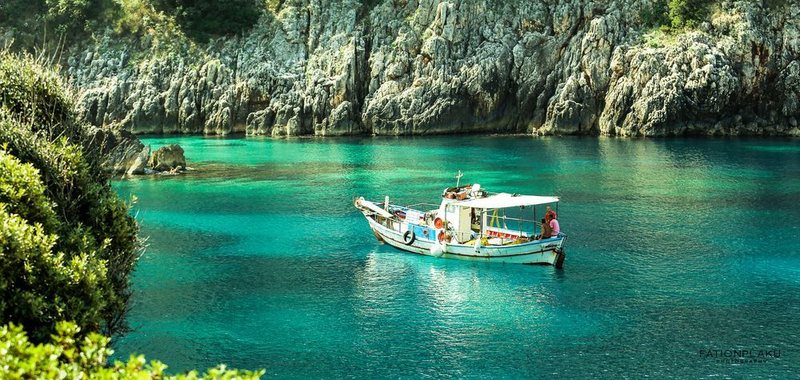
Protected areas, a destination for tourism and adventure/ 5.9 million visitors in 2025, an increase of 6%
Albania is increasingly attracting nature and adventure lovers, becoming a tourist destination with extraordinary potential. According to the Ministry of......
Electric cars change Albanians' choices/ Around 6,187 "green" vehicles change the country's roads
The electric vehicle fleet in Albania marked a record growth with 6,187 “All-Electric” registrations, almost double the number in 2024. This trend shows a......

Competition and transparency in tenders/PPA, institutions: No unnecessary criteria and unjustified shortening of deadlines
Public institutions should show increased care in preparing tender documents, clearly arguing each required criterion and linking it directly to the object......

The era of fixed telephony is coming to an end/ AKEP: Internet is returning to the main communication service in the country
The Internet is increasingly consolidated as the main means of communication in Albania, while traditional services are gradually losing users. This is......
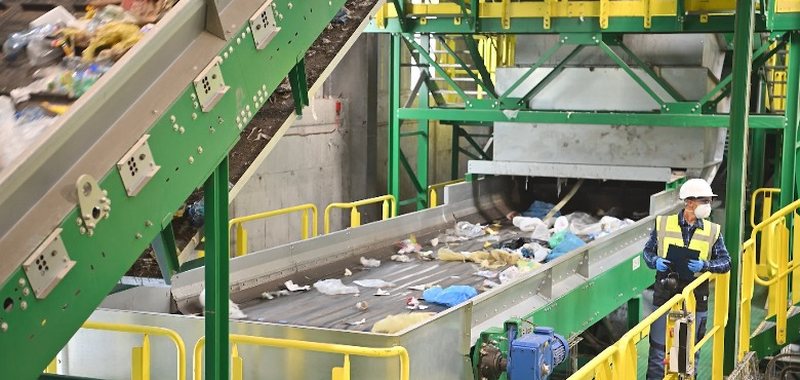
The National Waste Management Agency is established/Joint stock company with 100% state capital, service against payment
Albania will have a special Agency for waste management, with the aim of generating revenue from it. The decision published in the Official Gazette and now......
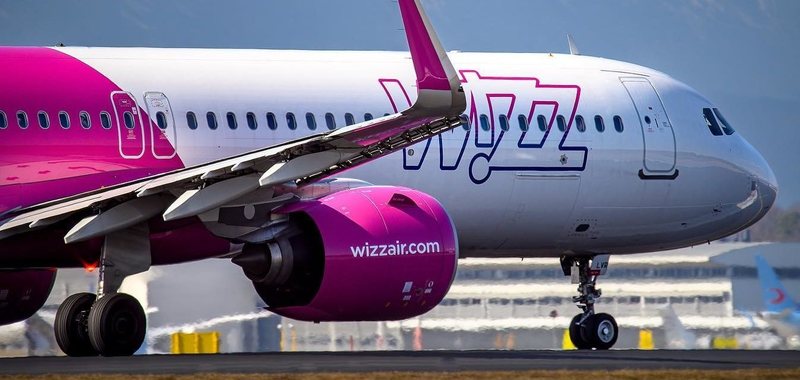
Wizz Air "conquers" Albanian skies/ Leads as the most used airline, Rayan Air holds second place
The air transport market in Albania during 2025 was characterized by a clear dominance of low-cost airlines, with Wizz Air and Ryanair holding the main share......
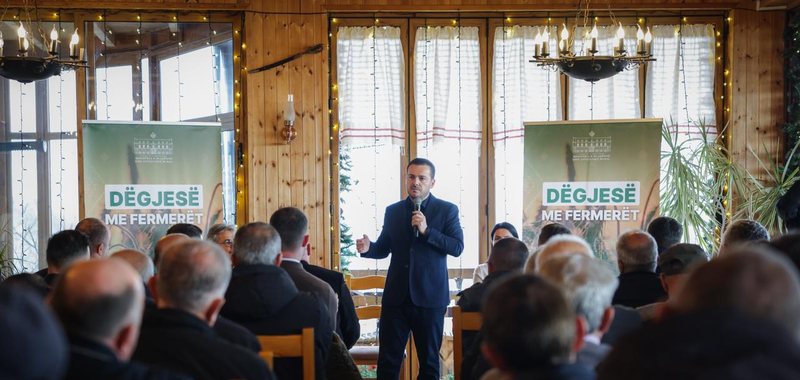
Minister Salla in Shkodër and Malësi e Madhe: Hearing with farmers on the drafting of the 2026 National Scheme
The Minister of Agriculture and Rural Development, Andis Salla, following the tour of hearings with farmers for the drafting of the National Scheme 2026,......