BE synon të parandalojë zjarret - Nis nga zbatimi strategjia e re me fonde dhe mjete konkrete


Më shumë se 434,976 hektarë janë djegur në të gjithë BE, sipas të dhënave të 30 korrikut nga Sistemi Evropian i Informacionit për Zjarret në Pyje (EFFIS). Në vitin 2025, u dogjën më shumë se një milion hektarë, duke e bërë atë sezonin më të keq të zjarreve në pyje që nga fillimi i regjistrimeve.
Për dekada të tëra, politika e BE-së për zjarret nënkuptonte blerjen e më shumë aeroplanëve, kamionëve dhe zjarrfikësve. Tani, theksi po zhvendoset drejt diçkaje më të rëndësishme: ndalimit të zjarreve që të mos bëhen katastrofike që në fillim.
Në mars 2026 Komisioni nisi strategjinë e Integruar për Menaxhimin e Rrezikut nga Zjarret në Natyrë, një lëvizje formale larg nga një model i udhëhequr nga reagimi drejt një modeli të ndërtuar mbi katër shtylla: parandalimi, përgatitja, reagimi dhe rimëkëmbja, me parandalimin në radhë të parë. Arsyetimi është i trefishtë. Evropa sapo përjetoi sezonin e saj më të keq të zjarreve të regjistruara ndonjëherë.
Strategjia përkthehet në fonde dhe mjete konkrete që tashmë janë duke u zbatuar. Paratë për parandalimin e zjarreve në pyje tani rrjedhin përmes disa instrumenteve të BE-së njëherësh: planet e zhvillimit rural të Politikës së Përbashkët Bujqësore, fondet e politikës së kohezionit, Instrumenti i Rimëkëmbjes dhe Rezistencës, si dhe thirrjet kërkimore LIFE dhe Horizon Europe. Në praktikë, kjo mbulon shpenzimet për reduktimin e lëndëve djegëse, ndërprerjet e zjarreve, kullotjen e synuar, rrallimin e pyjeve dhe restaurimin e peizazheve të prirura ndaj zjarreve. Këto projekte tashmë janë duke u zbatuar në Spanjë, Portugali, Itali dhe Siçili.
Rreth 35 përqind e buxhetit të ardhshëm afatgjatë të BE-së është caktuar për klimën dhe mjedisin, duke përfshirë gati 19 miliardë euro në fonde kohezioni për përshtatjen ndaj klimës, me një përshpejtim të premtuar për rajonet e goditura më rëndë.
Komisioni po përforcon gjithashtu Sistemin Evropian të Informacionit për Zjarret në Pyje, mjetin e tij të paralajmërimit të hershëm dhe parashikimit të rrezikut të bazuar në satelit, dhe planifikon të propozojë një rekomandim të këshillit mbi menaxhimin e integruar të rrezikut nga zjarret në pyje, së bashku me një portal të dedikuar të BE-së deri në vitin 2027 për të ndarë rrugët e financimit dhe mësimet e nxjerra me shtetet anëtare që përballen rishtas me rrezikun e zjarrit. Por, problemi më i vështirë është zbatimi.

Fluturime elektrike në Evropë? - Pritet të bëhen realitet në më pak se 4 vite për distanca të shkurtra
Udhëtarët evropianë mund të bëjnë fluturime elektrike në disa nga rrugët më të njohura të kontinentit deri në fillim të viteve 2030, falë përparimeve të......
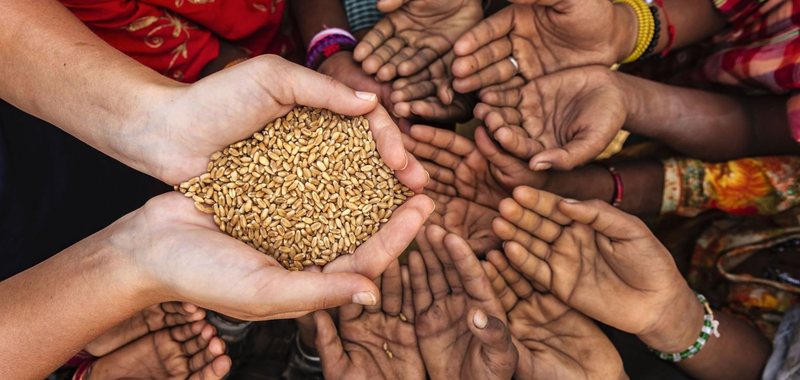
“49 mln njerëz, pasiguri akute ushqimore” - Programi Botëror i Ushqimit parashikon efektet e El Niño
Një ngjarje e fuqishme meteorologjike si El Niño mund të shtyjë rreth 49 milionë njerëz të tjerë në pasiguri akute ushqimore në disa nga rajonet më të......

Zgjerohet programi “Pas shkolle” - Përfshihen edhe gjimnazistët, 1,000 lekë ora për mësuesit
Referuar vendimit të Këshillit të Ministrave, programi “Pas shkolle” do të zbatohet për nxënësit e arsimit bazë dhe, për herë të parë, edhe për nxënësit e......
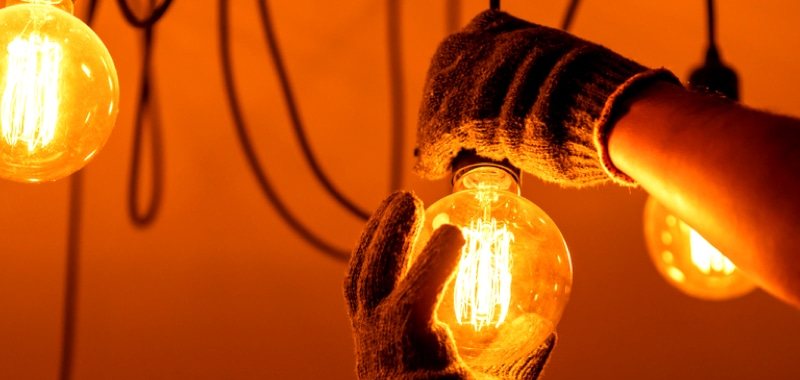
Hungarezët kufizojnë përdorimin e energjisë - Ujërat e Danubit në nivele rekord të ulëta shkaktojnë krizë energjetike
Kompanitë dhe familjet hungareze kanë ulur konsumin e energjisë këtë javë në një mënyrë të paprecedentë, pas një apeli të qeverisë për të lehtësuar presionin......
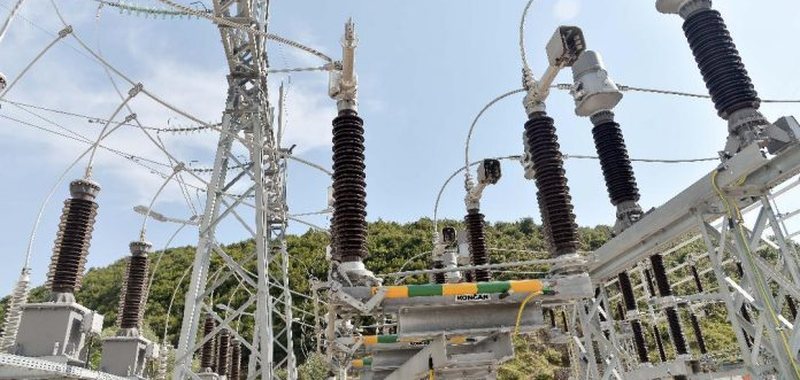
Rrjeti elektrik në Astir e Kombinat, drejt modernizimit - OSSH hap garën për dy linja të reja 20 kV, për të lehtësuar ngarkesën në rrjet
Drejtoria Rajonale e OSSH Tiranë ka shpallur hapjen e garës për ndërtimin e dy fiderave të rinj 20 kilovolt, me qëllim përmirësimin e furnizimit me energji......
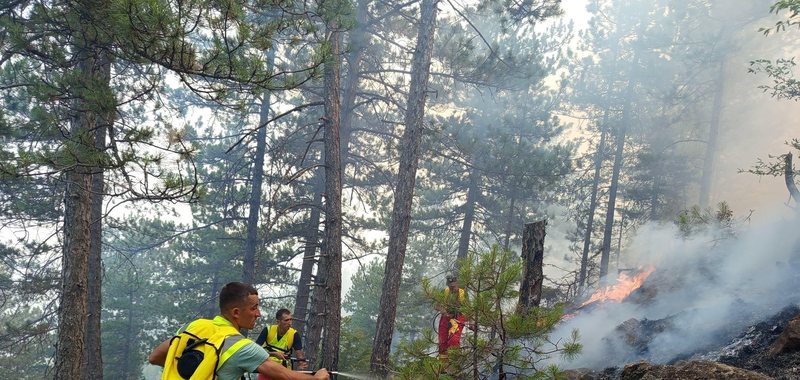
5 vatra aktive zjarri në Shqipëri - Zjarret në Mallakastër, situata po shkon drejt izolimit
Përmirësohet situata nga zjarret në disa nga zonat më problematike të vendit. Sipas njoftimit të Agjencisë Kombëtare të Mbrojtjes Civile, në operacionet për......

Cilët aplikacione dominojnë telefonët e shqiptarëve? Google Maps kryeson në iPhone. Ndërsa, Temu në Android
Temu dhe ChatGPT janë ndër aplikacionet më të shkarkuara në Shqipëri si në Android ashtu edhe në iPhone, ndërsa Google Maps kryeson renditjen vetëm në App......

Në nëntor Shqipëria pjesë e pagesave të shpejta TIPS, Guvernatori Sejko: Fitojmë kohë dhe para
Në muajin nëntor Shqipëria hedh hapin e fundit në integrimin e plotë në sistemin europian të pagesave. Këtë e bëri të ditur Guvernatori i Bankës së......