Why are 725,000 Albanians unemployed? Students and household chores dominate the labor market


Around one in four Albanians of working age continues to remain outside the labor market, but data from 2025 shows that the main reason is not unemployment or a lack of jobs. Students, pensioners, people with disabilities and family responsibilities make up the vast majority of the economically inactive population.
According to data from the Labor Force Survey, during 2025 the number of economically inactive people decreased to 725 thousand, from 734 thousand a year earlier. At the same time, the number of employed people increased slightly to 1.17 million people, while the number of unemployed people fell to around 107 thousand people, also due to emigration.
In total, 23.7% of the population aged 15-64 is classified as economically inactive, meaning people who are not working and are not actively looking for work.
The data shows that the largest group of this population consists of pupils and students, who represent 41.2% of the total. Next in line are people who do household chores, with 18.5%, those with permanent disabilities with 14.7% and people in retirement or early retirement with 10.8%.
An interesting piece of information from the report is that only 1.2% of economically inactive people are classified as discouraged, i.e. individuals who have given up looking for a job because they believe there are no suitable employment opportunities.
The data also reveals strong differences between women and men. Among economically inactive men, more than half, or 53.1%, are pupils or students, while only 1.5% declare that they are engaged in household duties.
For women, the picture is completely different. Although schoolchildren and university students make up the largest group at 34.5%, a full 28.1% of economically inactive women remain outside the labor market due to domestic duties and family care. This percentage is almost 19 times higher than that of men and highlights the disproportionate burden that women continue to bear in unpaid work within the family.
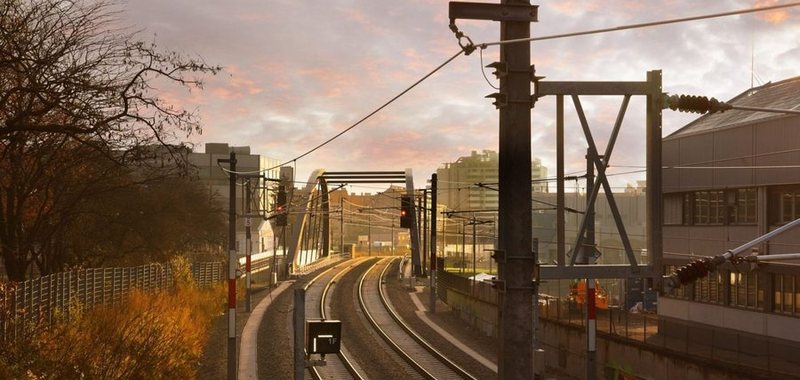
Electrification of the Tirana-Durrës train, winner announced - Verdho: Bid 22 million euros, contract with the Italian company signed in July
The tender for the electrification of the Tirana - Durrës - Rinas railway line has been finalized, with the announcement of the company that will carry out......
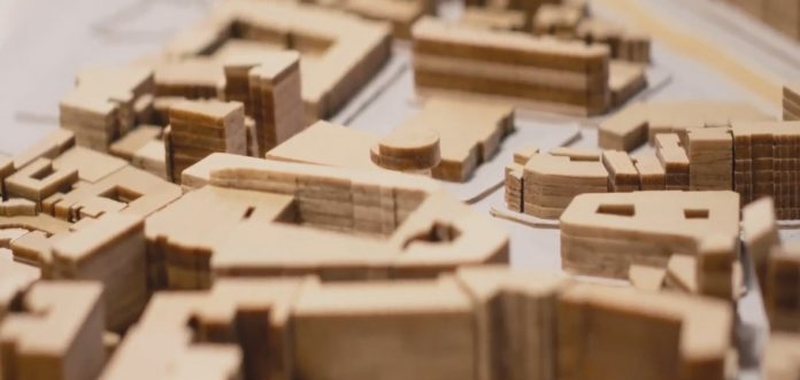
Five finalist projects present the vision for the New Campus of the “Aleksandër Moisiu” University
Prime Minister Edi Rama participated in the presentation of the five finalist projects of the International Competition for the construction of the New......
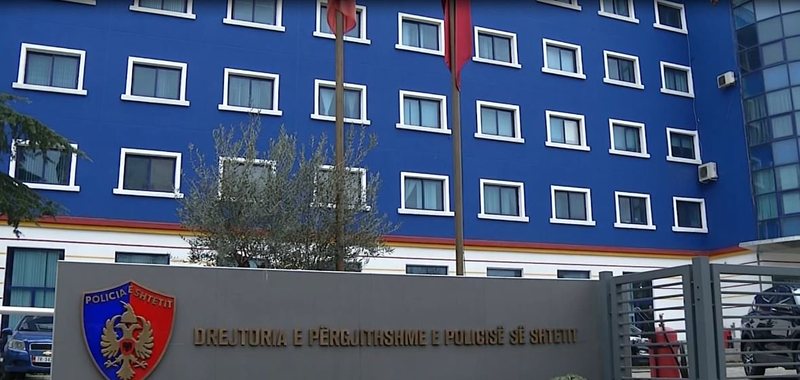
Changes in the management structures of the State Police, new leaders appointed
The State Police has undertaken a series of moves at the leadership level, appointing new leaders in several local directorates and police stations across......
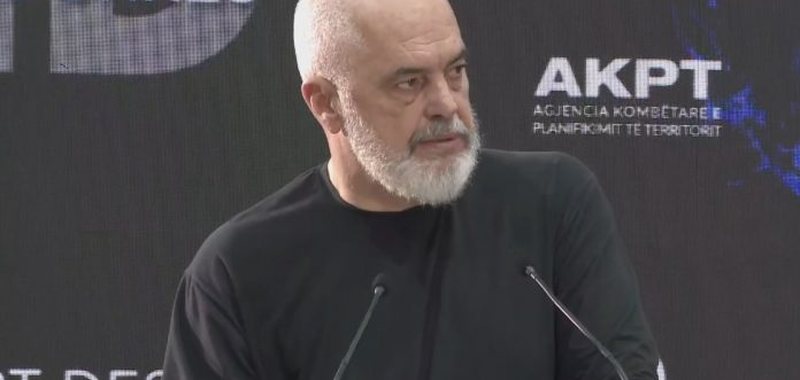
Rama presents the vision for the new campus in Durrës: A student space that will operate 24 hours a day
Prime Minister Edi Rama participated in the presentation of the five finalist projects of the international competition for the construction of the new......

They want reunification with the EU - 3 in 5 Britons of Generation Z would like a new vote
A generation of young Britons who were excluded from the 2016 referendum because of their age now believe Brexit has failed, with a majority calling for a......

6,500 job vacancies across the country - From engineers to waiters. Jobs for every skill level
The National Employment and Skills Agency announces that there are 6,500 job vacancies advertised on the puna.gov.al portal. Hundreds of job positions in......

General growth in the foreign exchange market – Foreign currencies strengthen
The US dollar has registered another increase in value this Tuesday, as compared to the day before, it was bought this morning for 81.8 lek and sold for 83......
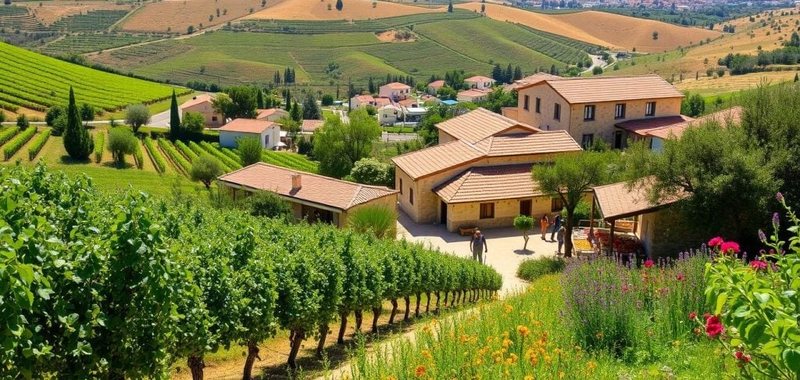
Technical support for the “100 Villages” program - ADF opens the competition for the design and supervision of investments
The Albanian Development Fund has announced the opening of the competition for support for the 2025-2028 operational program: Consulting, design and......