Where does Albania get its vegetables? Germany and Greece are the main suppliers. Imports at record levels in February

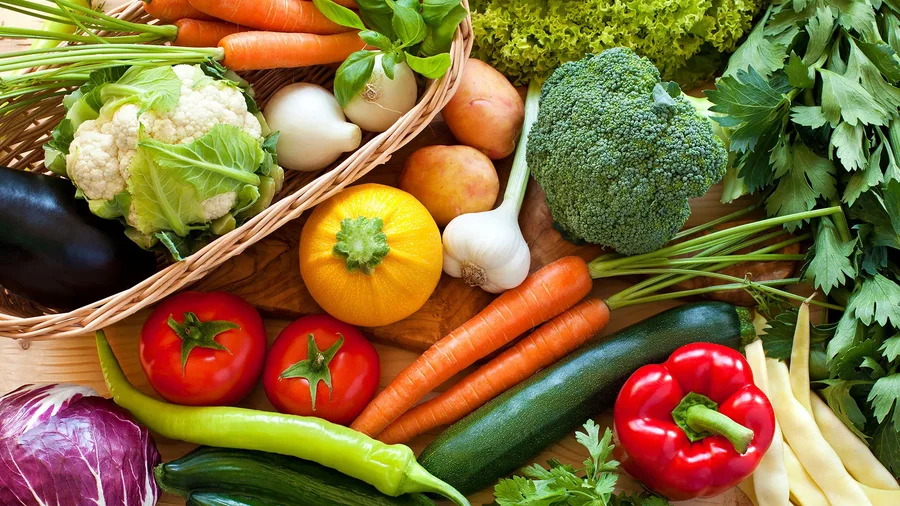
Imports of vegetables into Albania continue to remain at high levels, reflecting a sustained dependence on foreign markets for the supply of basic food products. The latest data show that February 2026 marked one of the highest historical levels, both in value and quantity.
In total, during February 2026, about 9.1 thousand tons of vegetables were imported, with a value of approximately 578 million lek. This level ranks February 2026 as the third highest since January 2005, confirming an increasing trend of imports in this sector.
Compared to the same month a year ago, imports increased both in value and quantity.
The increase in imports in the winter months is mainly related to the seasonal shortage of domestic production, forcing the market to rely more on foreign supplies.
But what are the main countries from which Albania is supplied?
Regarding the origin of imports, the Albanian vegetable market relies mainly on several European and regional countries. In February of this year, Germany was the main supplier, with imports worth 147.4 million lek, or about 25.5% of the total. Greece ranks second, with 113.9 million lek, which constitutes about 19.7% of the total. Next come the Netherlands with 64.3 million lek and Turkey with 63.5 million lek, while Serbia holds fifth place with 44.5 million lek. These five markets together constitute about 75% of the total value of vegetable imports in February.
In February 2026, the average import price of vegetables was around 63.5 lekë per kilogram, but the products were sold much more expensively on the market. According to INSTAT, tomatoes reached 202.5 lekë/kg, peppers 260.3 lekë/kg and cucumbers 237.5 lekë/kg, all increasing compared to January. This shows that, beyond the cost of imports, the final price for the consumer is also burdened by the trading chain until the product enters the market.
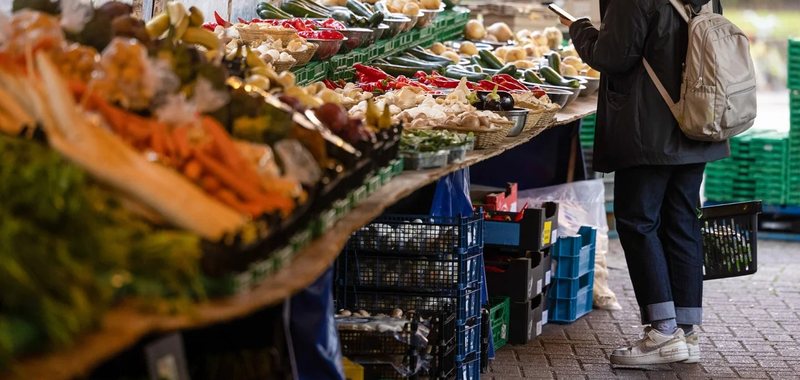
Why did the prices of agricultural products increase? - Traders "blame" oil, but say that domestic production will lower prices
In recent days, there has been a rise in the prices of fruits and vegetables, especially some of them that are considered important on the table of Albanian......
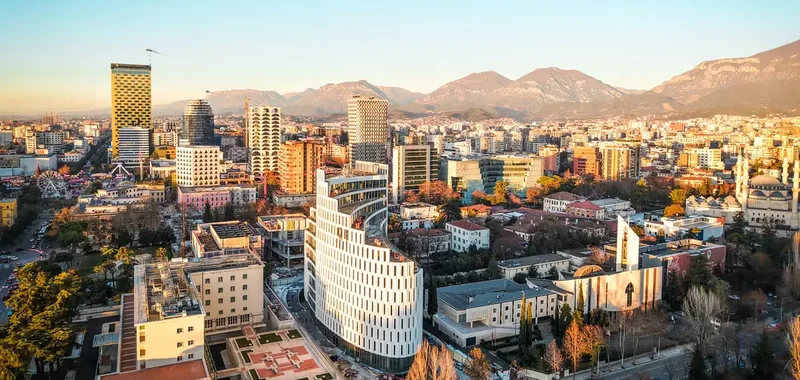
Do foreigners pay more for property in Albania? Investropa: The price can often increase by up to 10%
Foreigners are becoming increasingly present in the real estate market in Albania. According to data from the Bank of Albania and Real Estate, a portion of......
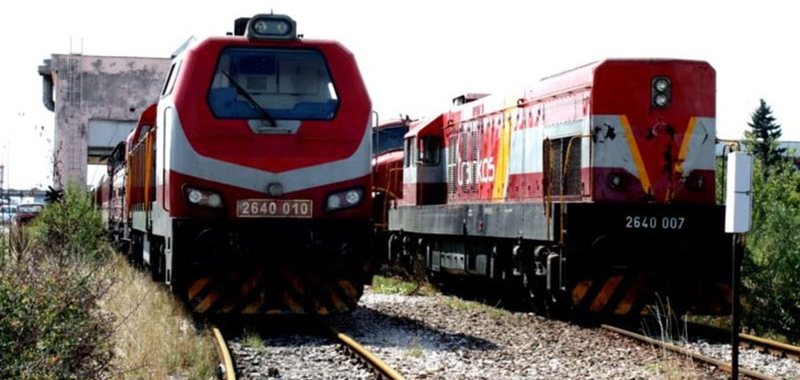
Railway budget, 91% realization - Report / Foreign financing went to Tirana-Durrës-Rinas and Rrogozhina-Pogradec
The budget program "Railway Transport" for 2025 presents a high level of implementation, reflecting progress in the implementation of projects in this......

Tirana leads in complaints in public procurement - KPP: 11.2 million lek will be collected in the state budget
During February, a total of 68 complaints regarding tendering procedures were filed with the Public Procurement Commission, reflecting the ongoing disputes......
Europe, "targeted" in the crisis after Asia - Energy shock/ What does the closure of the Strait of Hormuz bring?
The oil crisis that is affecting Asia due to the war in the Middle East warns of difficult times for Europe as well, with the economies of countries on the......
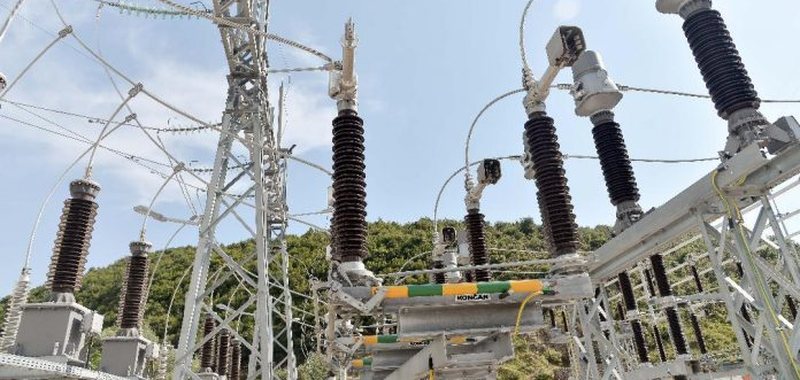
KESH imported energy throughout 2025 - The purchase invoice reached 272.2 million euros. 6.7 million euros were generated from the sale
The total bill for energy purchases reached 272.2 million euros including VAT, in 2025, according to data from the Energy Regulatory Authority. In total,......

What do businesses complain about the most? - 298 complaints were filed in one year with the Taxpayers' Advocate
298 complaints were filed with the Taxpayer Advocate during 2025 electronically and officially. Referring to the annual report of this institution, after......
Individuals pay with cards, businesses still with checks/ Who is really pushing the digitalization of payments in Albania?
Individuals are pushing the Albanian banking system towards digital payments, while businesses continue to remain more tied to traditional instruments. This......