Europe, "targeted" in the crisis after Asia - Energy shock/ What does the closure of the Strait of Hormuz bring?

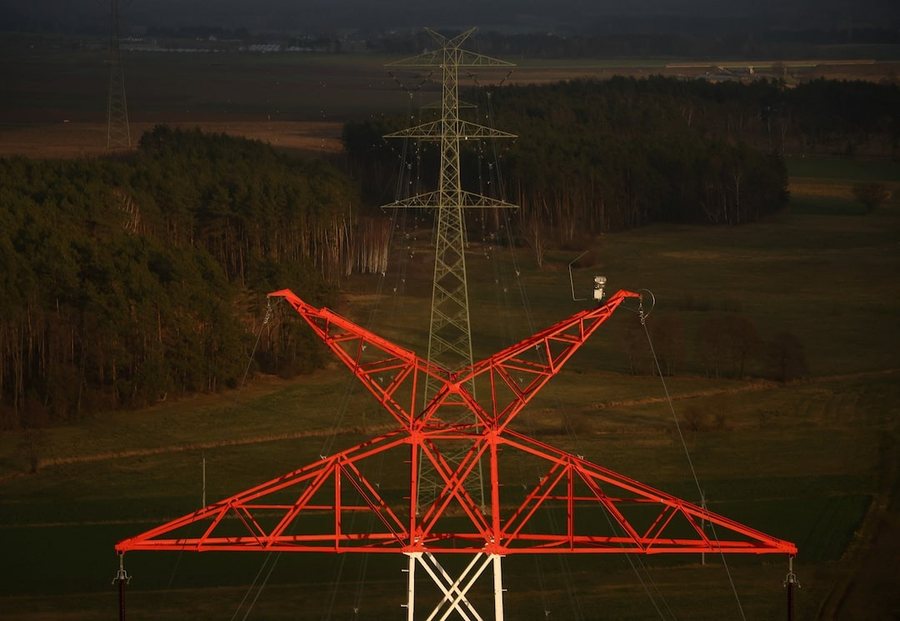
The oil crisis that is affecting Asia due to the war in the Middle East warns of difficult times for Europe as well, with the economies of countries on the Old Continent exposed by the conflict.
The oil shock is already hitting Asia, where factories are cutting output to save energy and gas stations are selling only limited amounts to drivers to ensure supplies. Economists say it is a sign of what will happen in European countries that also depend on imports from the Middle East.
Iran's blockade of the Strait of Hormuz has hit global oil supplies, with global oil supplies 10% below pre-war levels, according to Oxford Economics. The strait is also a major shipping route for liquefied natural gas, which many countries, including Europe, rely on for electricity and fertilizer production.
Even if the conflict ends, that doesn't mean Iran will immediately reopen the Straits. Delays in the transportation chain will further restrict supplies, as will damage from the war to critical energy infrastructure in the Persian Gulf.
That leaves Europe and many African countries dangerously exposed, the US newspaper warns. The US, a net energy exporter, is less likely to experience shortages, even as higher gas and fuel prices hit consumers.
With fuel prices in Asia already high due to its proximity and trade ties to the Middle East, Europe could be the next to see such a crisis hit harder, the report notes. Across the European Union, gasoline prices have already risen by 15% and diesel by 30%. Natural gas prices have also risen by more than 50% across the continent.
Most of the energy shipments that started in the Persian Gulf before the war have now reached Europe and entered the system. New shipments are much fewer. In addition, some companies have diverted fuel shipments to Asia, where prices are now higher and profits are greater.
European countries import relatively smaller amounts of liquefied natural gas and oil from the Persian Gulf than other continents, but depend on the region for petroleum-based products, such as jet fuel.
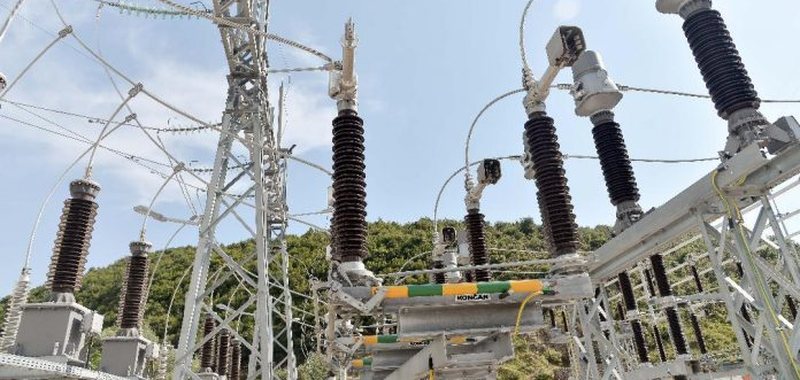
KESH imported energy throughout 2025 - The purchase invoice reached 272.2 million euros. 6.7 million euros were generated from the sale
The total bill for energy purchases reached 272.2 million euros including VAT, in 2025, according to data from the Energy Regulatory Authority. In total,......

What do businesses complain about the most? - 298 complaints were filed in one year with the Taxpayers' Advocate
298 complaints were filed with the Taxpayer Advocate during 2025 electronically and officially. Referring to the annual report of this institution, after......
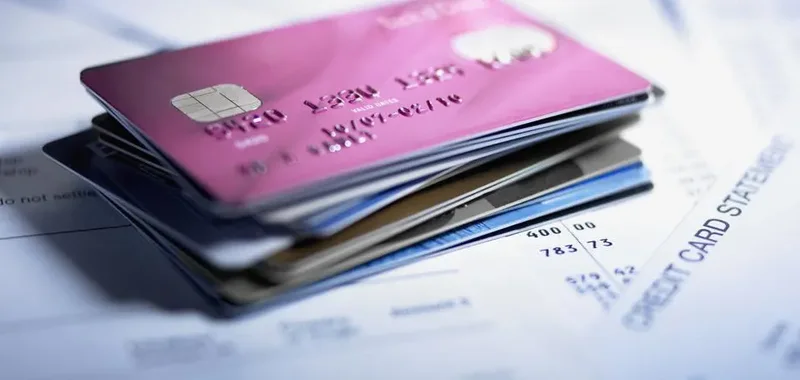
Individuals pay with cards, businesses still with checks/ Who is really pushing the digitalization of payments in Albania?
Individuals are pushing the Albanian banking system towards digital payments, while businesses continue to remain more tied to traditional instruments. This......

Smart work and a 4-day week/ Which countries are preparing to face the energy crisis?
Oil prices are rising above $110 per barrel in the markets, pushing up fuel costs. The specter of austerity is starting to appear in Europe, while in many......
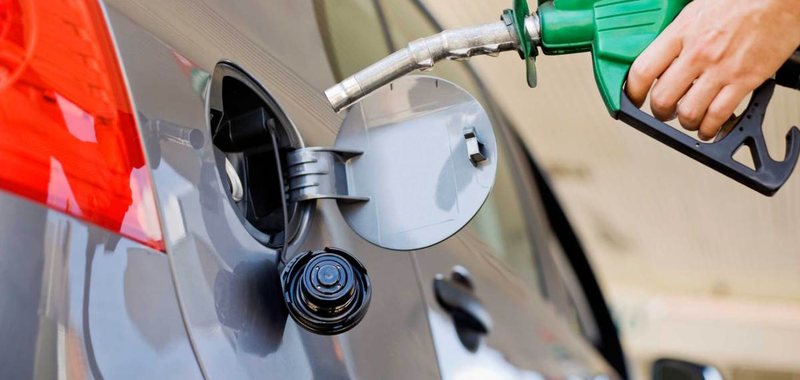
The fleet of electric vehicles is growing - In the first two months of the year, over 1,700 were registered
The electric vehicle fleet in the country is growing. This is also evidenced by data showing an interest on the part of citizens in environmentally friendly......

9.1% of Portuguese people work almost 50 hours/week - Fourth place in the EU where the average is calculated at 6.5%
Portugal ranks fourth in the European Union for the share of professionals who regularly work 49 hours or more per week in their main job. The figure, which......
Investment for the road traffic electrical network - OSSH, finances 94 million lek for the intelligent system
The Regional Directorate of OSSH Tirana has announced the opening of the tender for the construction of a cable line for the supply of electricity to the......

General decline in the foreign exchange market – Major currencies weaken significantly
The US dollar has started the week in a significant decline, suffering a decrease in value from the previous week, as it was bought today at 82.2 lek and......