Renewable energy, how does Albania rank? EUROSTAT: We continue to stay above the European average

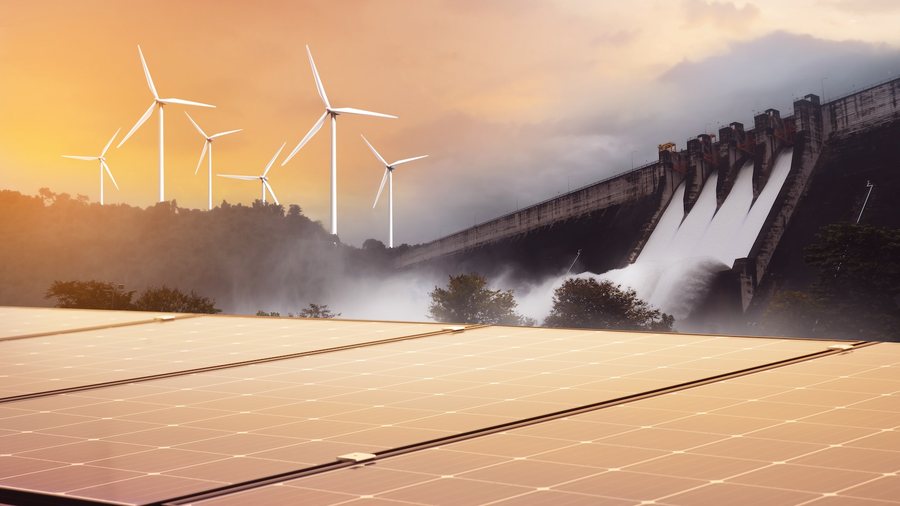
Eurostat data shows that Albania remains among the countries with the highest share of renewable energy in Europe. In 2024, around 43.1% of the energy consumed in the country came from renewable sources, mainly hydropower. Although slightly down compared to 46.6% in 2023, the level remains significantly above the European Union average, which in 2024 was 25.2%.
Compared to EU countries, Albania ranks in the same group of countries with a high share of green energy in consumption. In Europe, the largest share of energy from renewable sources was in Sweden with around 63%, followed by Finland with 52% and Denmark with 47%. At the other end of the spectrum, the lowest levels were recorded in Belgium with 14%, Luxembourg with 15% and Malta with 16%.
Even in the Balkan region, Albania ranks among the countries with the highest share of renewable energy. In 2024, Serbia had about 25.9%, North Macedonia 21.8%, while Kosovo 18%. Only a few countries in the region, such as Montenegro with about 41% and Bosnia and Herzegovina with about 40%, have comparable levels, while most other economies remain significantly below.
At the European level, the use of renewable energy has increased significantly over the last two decades. In the European Union, its share in gross final energy consumption reached 25% in 2024, up from 17% in 2014 and only 10% in 2004. The EU's target is to achieve at least 42.5% of energy from renewable sources by 2030.
In the case of Albania, a good part of this result is based on an energy legacy that has been going on for several decades. The relatively high level of green energy is mainly related to production from hydroelectric power plants, which cover the majority of domestic electricity production.
In the countries with the highest share of renewable energy in Europe, the production structure is closely linked to the natural resources they have available. In Sweden, the majority of green energy comes from biomass, hydropower and wind power, thanks to its extensive forests and rich river network. Finland also relies mainly on biomass from the wood industry, as well as hydropower and wind power. Denmark is one of the European leaders in wind energy, especially with offshore turbines, which cover a large part of its renewable energy production.

What are the objectives for the Education Strategy? - From curriculum to digitalization, approximation to European standards
The government has approved the launch of the drafting of the National Education Strategy 2027–2032, which will determine the direction of the sector's......
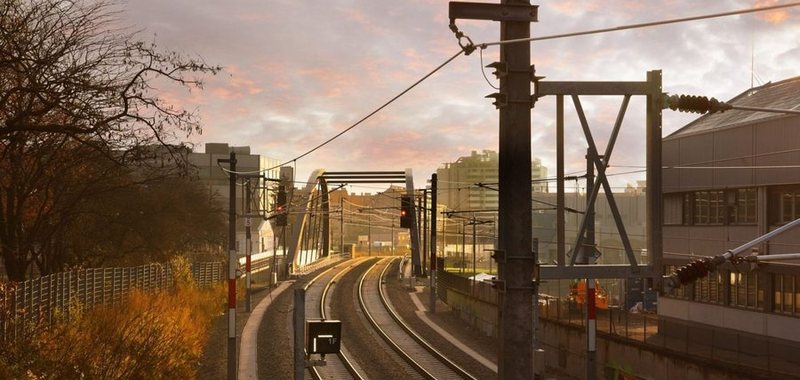
Electrification of the Tirana-Durrës-Rinas railway/ 46 million lek for the relocation of the electric lines. The project will guarantee the functioning of the line
With a limit fund of around 46 million lek, the Distribution System Operator has opened the tender for the relocation of electrical lines along the Tirana -......
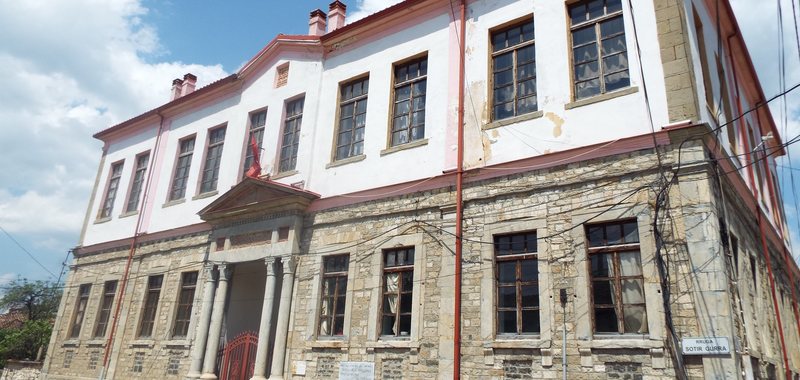
The French Lyceum of Korça returns - Teaching in three languages and double diploma
The government has submitted for public consultation the draft law for the establishment and functioning of the public institution of higher secondary......
Fuel price hikes in the region - What measures are countries taking to curb prices?
As the conflict in the Middle East is causing instability in global oil markets, raising concerns about inflation and economic pressure on households and......
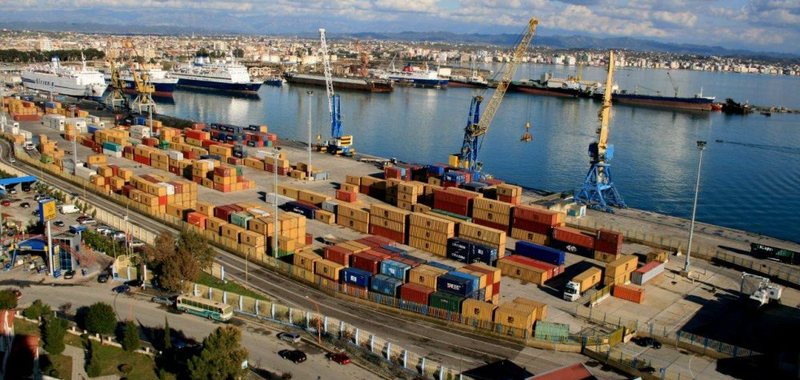
Transport of goods towards digitalization - Draft law on electronic information, in harmonization with the EU
The government has proposed a new draft law on the use of electronic information in the transport of goods, a step aimed at modernizing processes and......
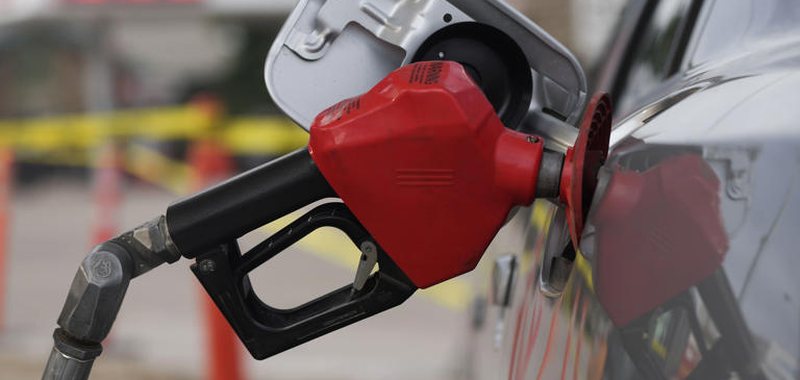
Action at gas stations until June 30 - Control plan/ From prices to employee registration
Wholesale and retail fuel sales points throughout Albania will be the subject of a several-month campaign that aims to prevent possible abuses with the sale......

How did this 'turbulent' week end for the major currencies?
The US dollar, after continuous fluctuations during this time, has closed this week positively, being bought today at 83.3 lek and being sold at 84.4 lek......
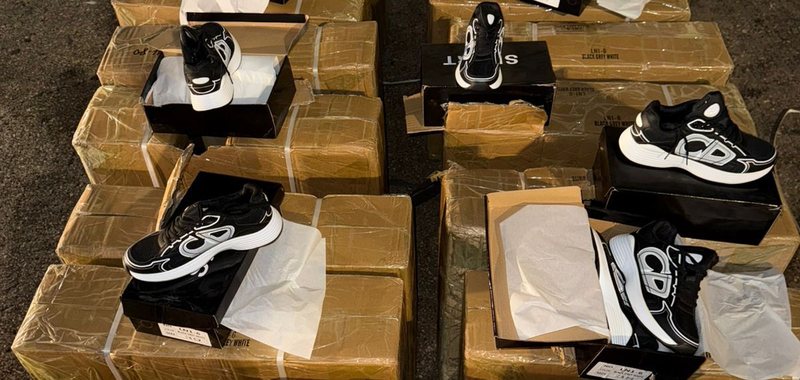
Customs blocks goods suspected of intellectual property infringement
The Anti-Smuggling Directorate and the Monitoring Directorate announce that in intensive cooperation and coordination with the customs branches in Kakavija......