Food safety, Ministers Salla and Lamallari inspect the checkpoint at the Port of Durres

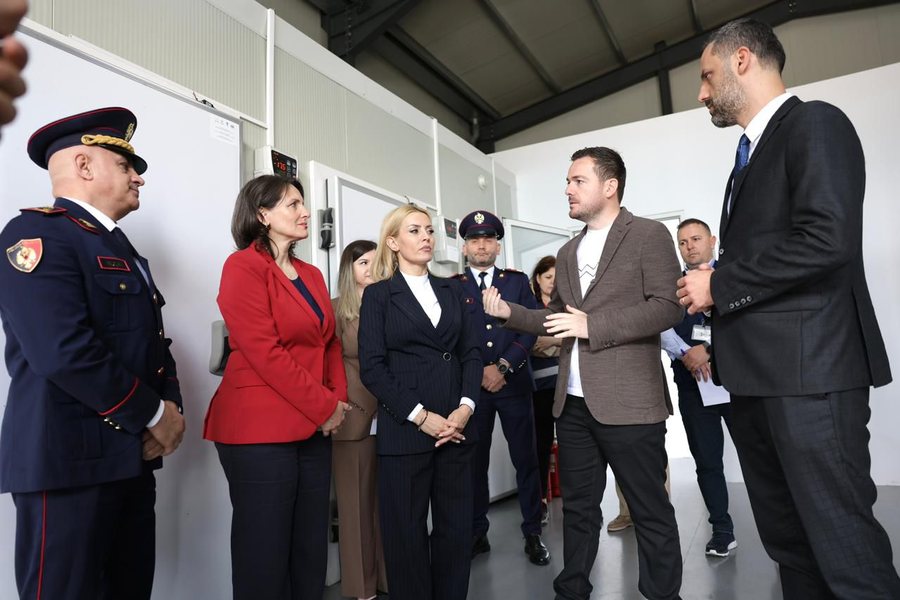
The Minister of Agriculture and Rural Development, Andis Salla, together with the Minister of Interior, Besfort Lamallari, conducted an inspection at the Border Inspection Post (BIK) at the Port of Durrës, as part of strengthening control and guaranteeing food safety for products entering Albania.
The Director General of the National Food Authority, Blerina Gjylameti, was also present at this inspection.
Durrës BCP remains the main entry point for goods into the country, processing around 43-47% of total imports, including goods in transit to Kosovo, making this point a strategic hub for food control.
During the inspection, Minister Salla emphasized the importance of this port in the food product control system.
"The Port of Durrës is one of the points through which 43 - 47% of products imported into Albania pass, including transit to Kosovo, so it is essential to guarantee full control of products here," he said.
He announced that a network of five Border Inspection Points in Durrës, Vlorë, Kapshtica, Kakavija and Qafë Thanë is in the process of being modernized, with the aim of covering the main entry points of goods into the country.
"We are building five points to guarantee proper analysis and control of every product, so that no cargo enters the territory without passing through food safety filters," emphasized Minister Salla.
According to him, these investments aim to increase control standards and guarantee the quality of products both in import and export, strengthening the role of the National Food Authority and coordination with other institutions. He also underlined that the Port of Durres will remain a key control point even after Albania's accession to the European Union, as an entry port for goods from third countries.
Investments made in PIK Durrës, including support from the SAFIAL project and the World Bank, have significantly improved the infrastructure and control capacities, enabling modern facilities for inspectors, warehouses equipped with refrigeration conditions and equipment for preliminary analysis of products during physical control. In parallel, investments in the laboratories of the AKU have increased the analytical capacities and the range of analyses, enabling their accreditation according to international standards.
BIP procedures provide for full control of each shipment before entry into the market, through verification of documentation, identity and physical control, as well as phytosanitary controls for plant products. Sampling is carried out on a risk basis, while importers are obliged to notify shipments in advance at least 24 hours before arrival.
For his part, the Minister of Interior, Besfort Lamallari, emphasized the importance of inter-institutional cooperation to guarantee food security.
"Food safety is critical for citizens and requires the coordination of the State Police, the National Food Agency and customs to prevent the entry of dangerous or counterfeit products," he said.
Minister Lamallari noted that in addition to guaranteeing product quality, cooperation between institutions also helps in the fight against smuggling and illegal activities in the food trade, while simultaneously contributing to the protection of public health and strengthening the economy.

Innovation and finance in focus/ “Investing for Impact Forum 2026” takes place in Albania
The Ministry of Economy and Innovation, in collaboration with INNVEST and Visa, organized the "Investing for Impact Forum 2026", which brought together......
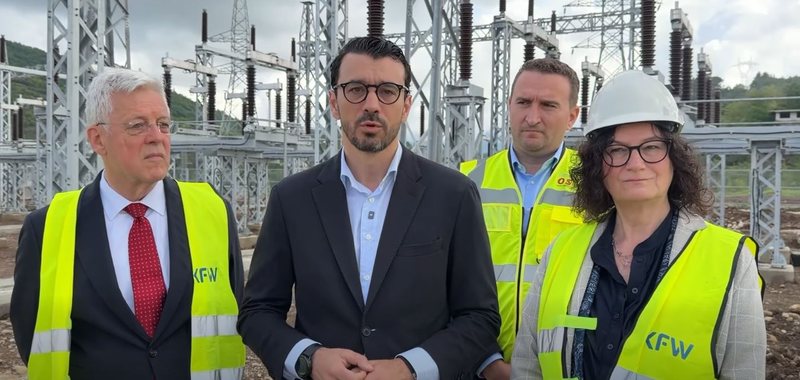
Strengthening energy security in Tirana - Karakaçi: Substation "Tirana 3" nearing completion, investments in other areas as well
The Minister of Infrastructure and Energy, Enea Karakaçi, inspected the construction works for the “Tirana 3” electrical substation in the Petrela area, an......
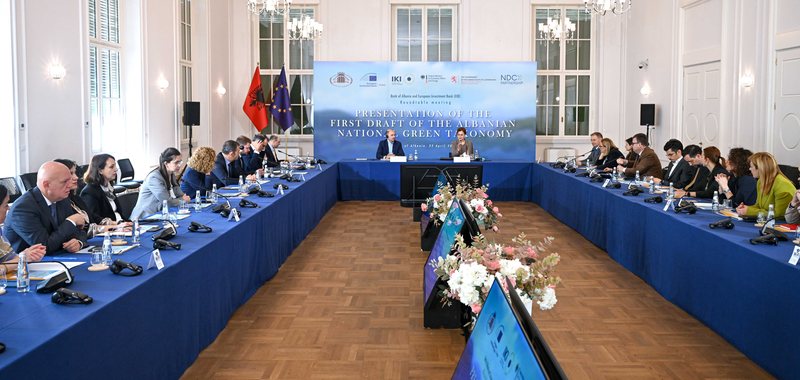
Financial market transparency, Bank of Albania presents the first draft of the Green Taxonomy
The Bank of Albania, in cooperation with the European Investment Bank (EIB), held today a technical and inter-institutional workshop in the framework of the......
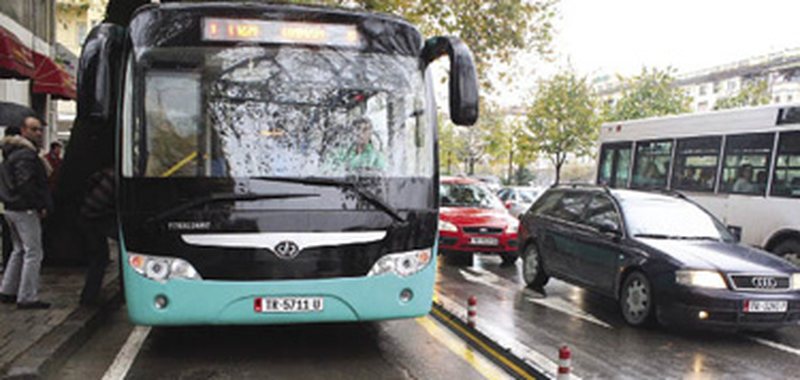
250 million lek for public transport - Tirana Municipality and government share the fuel compensation bill
The increase in fuel prices has forced institutions to intervene financially to support the public transport sector. According to the document drafted by the......

How do young people who live alone cope? - Radonshiqi: They turn to family for additional income
Living alone is becoming increasingly common in Tirana, but also more expensive. From rent to monthly bills and food, an individual faces almost the same......
The accreditation package for the IPARD III program is closed/ The Ministry of Finance advances in the process of opening the funds
The Ministry of Finance successfully completed the preparation of the accreditation package for the IPARD III Programme, marking an important step towards......
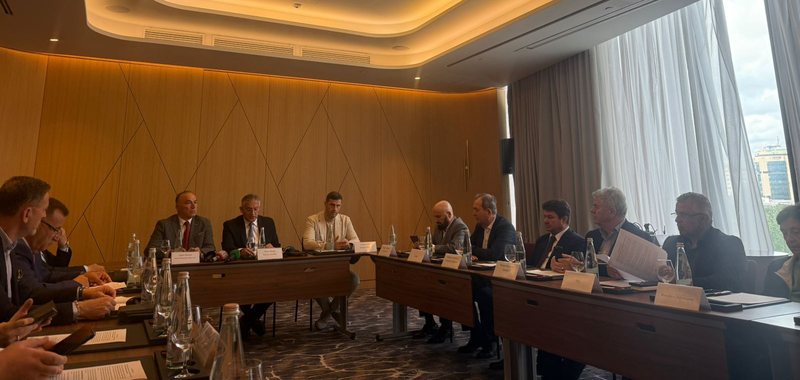
Albanian business raises alarm over rising fuel prices and calls for urgent measures
Leading business organizations across the country have issued a joint statement expressing deep concern about the escalating fuel crisis and its impact on......
"Albania, 26 electronic payments per capita per year" - Bregu: Obliging businesses to be equipped with POS should also be accompanied by tax incentives
An Albanian makes an average of 26 non-cash payments through his account during a year. This was stated by the Director of Payment Systems, Accounting and......