Money that doesn't enter the banks - 481 billion lek in circulation outside the system. What is keeping cash "alive"?

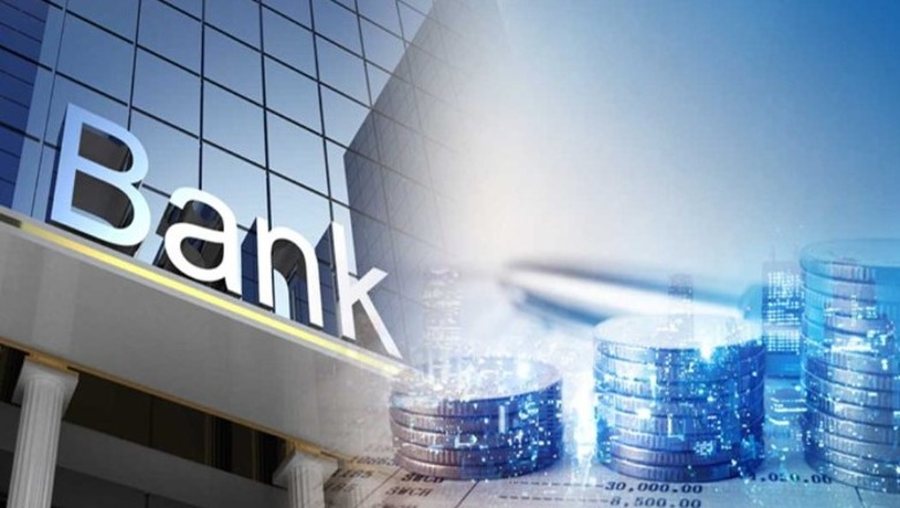
Money circulating outside banks continues to grow, reflecting the still high use of cash in the economy. According to data published by the Bank of Albania, in January 2026, money outside depository corporations reached around 481 billion lekë.
Compared to December 2025, when this indicator was around 483 billion lek, a slight monthly decrease of around 2 billion lek is observed. Such a development is relatively common at the beginning of the year, as part of the money circulating during the holiday period returns to the banking system.
However, compared to January 2025, when money outside banks was around 422 billion lek, the current level is around 59 billion lek higher, or a significant increase in annual terms.
The increase in money in circulation outside banks is usually associated with the expansion of economic activity and increased consumption, but it also reflects the continued preference of individuals and businesses to use physical money, despite the gradual expansion of electronic payments and digital banking services in the country.
The culture of cash payments, unattractive interest rates on deposits, the lack of POS terminals at many points of sale due to high bank commissions, as well as the high level of informality, are some of the main factors that encourage keeping money outside banks. This picture also includes money from illegal sources, which usually circulates outside formal channels.
Low trust in the banking system, poor level of financial education, preference for immediate liquidity, and resistance to electronic payments are also influencing factors.
To curb this trend, the government and the Bank of Albania have taken measures to encourage the use of electronic payments, including reducing bank fees, promoting financial education, setting limits on cash payments between individuals and businesses, and measures to reduce informality. Authorities expect these policies to gradually reduce reliance on physical cash in the coming years, although data shows that the road to a less cash economy remains long.
Unemployment in Albania drops to 8.3% by the end of 2025/ Women and young people continue to have the highest levels
In the fourth quarter of 2025, the labor force participation rate for the population aged 15-64 was recorded at 75.9%. On the other hand, the unemployment......

Euro "dominates" Albanian banks - De-euroization package, little effect on boosting the local currency
Banks continue to have a large presence of foreign currencies, mainly euros, in their loans and deposits. According to the latest report of the Bank of......
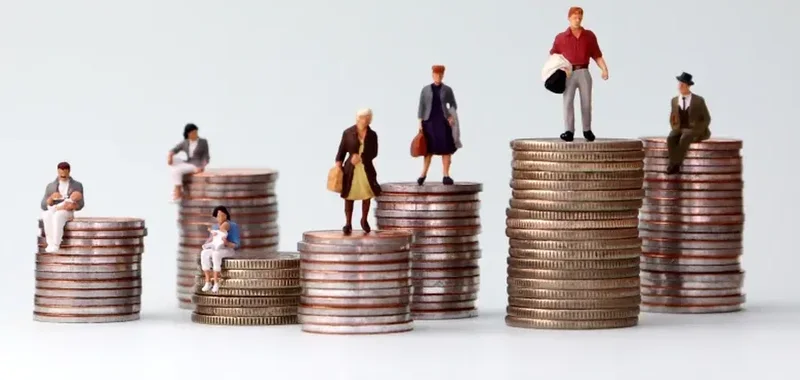
Finance and IT with the highest salaries in Albania/ The average salary in the country reaches 87 thousand lek by the end of 2025
The average gross monthly salary in Albania reached 87 thousand lekë in the fourth quarter of 2025. According to data published by INSTAT, this represents an......
Water resources, management changes - SIGMA requested separation from the Prime Minister's Office, the Agency moves to the Environment
Water resources management will no longer be under the Prime Minister's Office, following recommendations in the SIGMA report that called for strengthening......
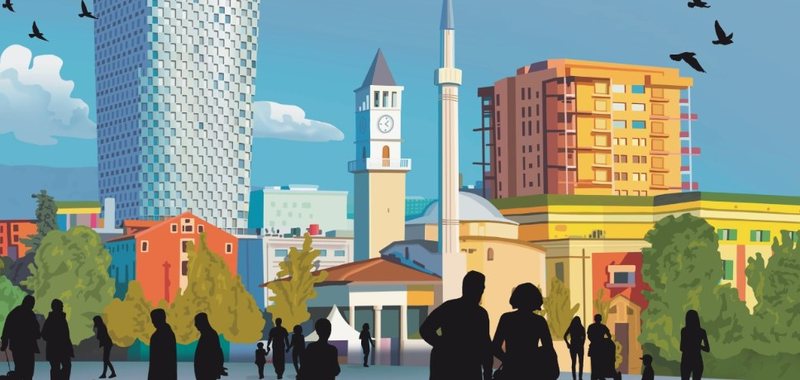
Where will housing prices in Tirana increase the most? They could increase by up to 60% in the next five years
The three areas of Tirana that are expected to see the strongest property price increases in the next five years are Astiri, Kashari and Yzberishti. These......
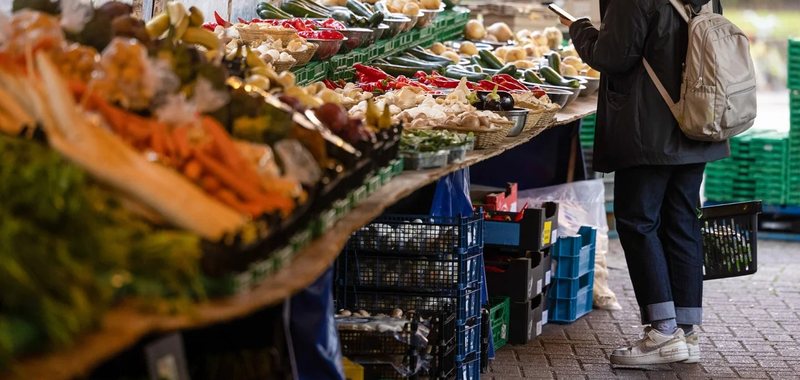
Oil increases the price of fruits and vegetables - Expert Zefi: The government should subsidize farmers. Taxes on fuel should be reduced
Fruits and vegetables produced by Albanian farmers this season are expected to fetch higher prices on the market due to the increase in oil and input prices,......

Trump's statement lowered oil prices - "The conflict could end soon." Black gold costs 7% less
Oil prices fell 7% on Tuesday, after rising to their highest level in more than three years in the previous session, as US President Donald Trump predicted......

Saranda invests in depreciated roads - On the eve of the tourist season, the competition for the project opens
The Municipality of Saranda has announced the opening of the competition for the redevelopment of streets and squares in the areas of Gjashtë, Metoq,......