10% VAT compensation for farmers in force/ Scheme supports production costs and increases transparency

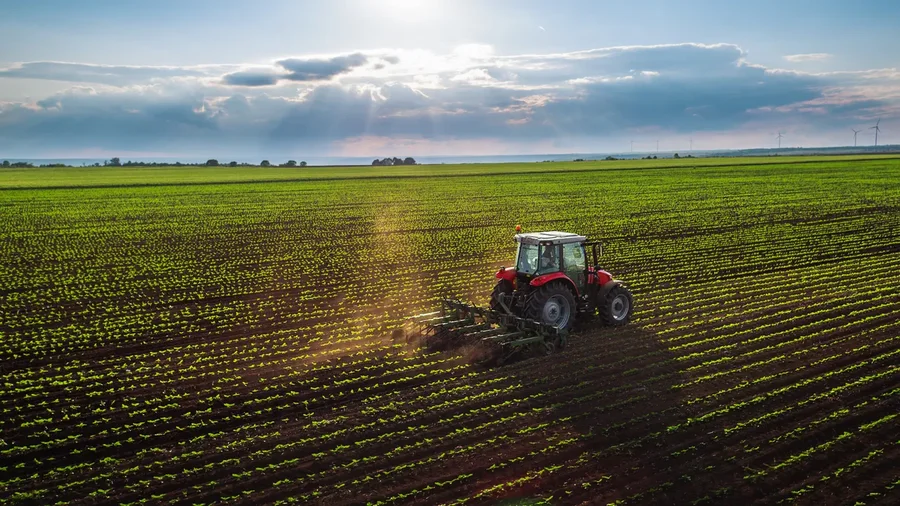
Since the beginning of the year, farmers who market their products through formal channels have benefited from a new financial support scheme. This is a 10% VAT compensation, which is applied to sales to collectors, processors and certified agritourism, based on the auto-invoicing system and electronic data verification. Unlike previous practices, the calculation of the compensation is not carried out by the farmer himself, but by the purchasing entity. The issued auto-invoice serves as the main document on which the 10% rate is applied, which is returned to the farmer after the completion of the control procedures. This approach aims to simplify the process and reduce informality in the trade of agricultural products.
The scheme is designed to ease the financial burden of farmers, who face high costs for the supply of agricultural inputs, including seeds, seedlings and chemical fertilizers. The partial VAT refund is expected to directly impact the reduction of production costs and increase the competitiveness of this sector.
For farmers equipped with a tax NIPT, but not registered with the Central Bank, the financial documentation is carried out by the purchasing party, which is responsible for issuing the invoice according to the legislation in force. Meanwhile, farmers are obliged to electronically verify and confirm each invoice registered in their name, as a protective mechanism against misuse. After control by the tax administration, the amount of compensation is transferred directly to the farmer's bank account. According to the authorities, the digitalization of the entire process increases transparency and guarantees financial traceability in every link of the supply chain.
Official data shows that thousands of farmers are now part of the tax system, extending the effect of this scheme to a wider base of producers. The 10% VAT compensation is considered one of the key measures to support agriculture and strengthen the rural economy through market formalization.

Minimum wage, how much will insurance for employees increase? The maximum also changes, high wages are negatively affected
Starting from January 1, 2026, the minimum monthly basic wage, mandatory for every employer, will be 50,000 lek (up from 40,000 lek previously). This level......

Need or success? Why do Albanian emigrants return? Family reasons dominate. Only 6% have achieved their financial goals
Albania is experiencing a significant increase in emigrants returning to the country, but their integration into the labor market remains a serious......

Implementation of the law on the formalization of seasonal workers begins/ Aim: to reduce the gray economy and increase security
The implementation of the seasonal workers law has begun in North Macedonia, with the aim of reducing the gray economy and increasing security. According to......

Strong explosions, Venezuela declares state of emergency/ Maduro government: Donald Trump ordered the attack
At least seven explosions were heard around 2:00 a.m. local time in the Venezuelan capital, Caracas, as well as low-flying aircraft. One of the targets......

"Albanian Innovation Map"/ What are the country's steps to become a regional technology hub?
With the aim of becoming a regional technology hub, Albania has adopted an action plan to improve its position in the European Innovation Scoreboard. The......

Snow and sub-zero temperatures/ Difficulties on some roads, ARA and police on the ground
Snowfall and low temperatures have made it difficult for vehicles to circulate on several road axes in the country, especially in the northeast and......

Minimum wage, from January 1st there will be no more salaries below 50 thousand lek, 308 thousand beneficiaries
The government's decision to increase the minimum wage came into effect yesterday. Based on its basis, from 40 thousand lek, the minimum wage in the country......
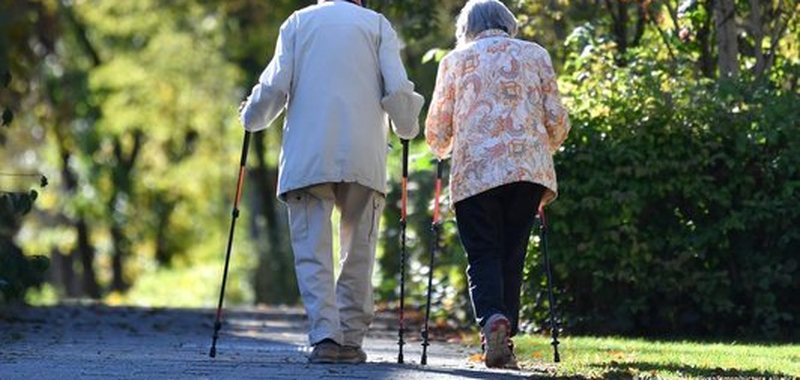
Retirement age for women changes to 62, seniority increases for men
As the pension scheme is expected to be revised, starting in 2026, the retirement age for women will change, as well as the years of seniority for both......