Integration into the European System of Central Banks - BoA begins preparations. Beneficiary of the 3 million euro EU capacity building program

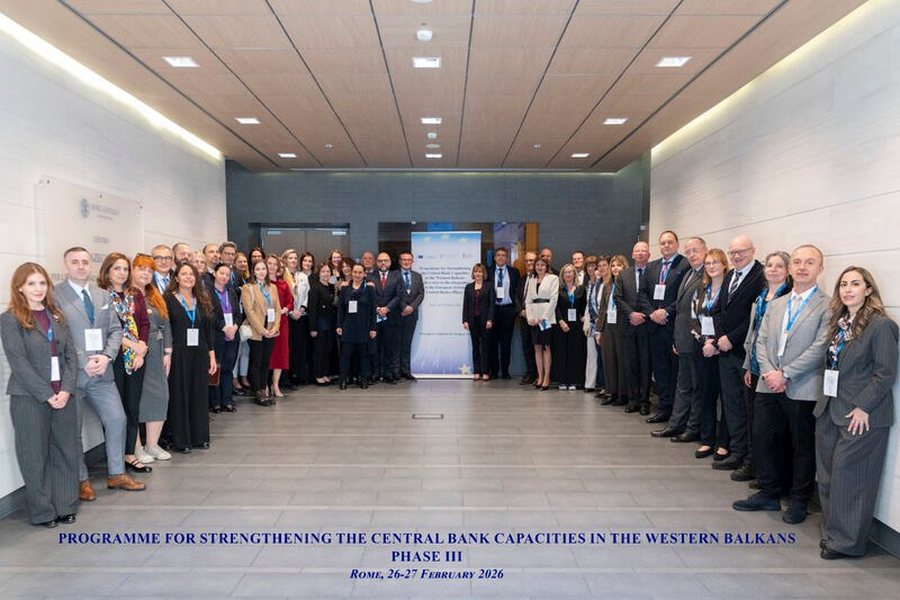
The Bank of Albania is preparing to become part of the European System of Central Banks. To this end, it will participate in the third phase of the “Programme for Strengthening the Capacities of Central Banks in the Western Balkans”, funded by the European Union, an initiative that aims to support the preparation of the central banks and supervisory authorities of the region for integration into the European System of Central Banks.
The aim of this program is to further strengthen the capacities of the Bank of Albania, mainly through further improvement of analytical and policy instruments, thanks to the adoption of the best international and European standards in national practices.
In addition to our Central Bank, the beneficiaries of this program are also central banks and supervisory authorities from Bosnia and Herzegovina, Kosovo, Montenegro, North Macedonia and Serbia. The EU has financed this program with 3 million euros from the Instrument for Pre-Accession Assistance (IPA III).
Over the next 3 years, the German central bank, together with partner central banks and ECB experts, will organize an intensive regional training program on key issues of central banking and supervision. The main focus will be on new developments in central banking and financial supervision in the areas of money laundering prevention and combating the financing of terrorism, cyber risks, digital transformation, innovation and artificial intelligence in central banks. In addition, high-level meetings will be held on current topics of focus, such as central bank independence and new developments in payment systems.
By participating in this program, the Bank of Albania continues its efforts to align with European standards and practices, while contributing to the further strengthening of institutional capacities, within the framework of the European integration process.
The European System of Central Banks includes the European Central Bank and the national central banks of all EU member states, regardless of whether they have adopted the euro or not.
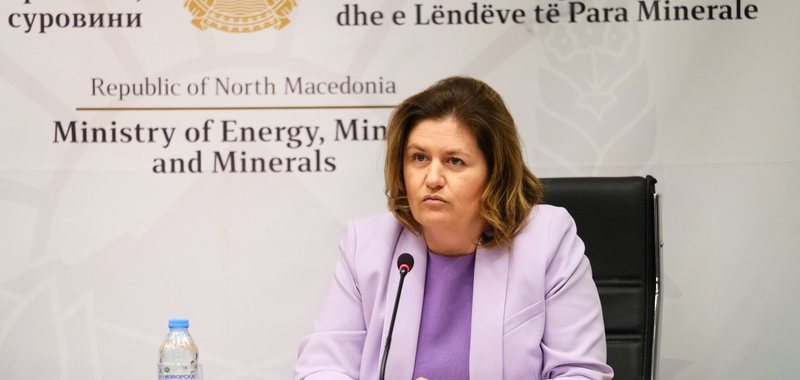
"Lowest fuel prices in the region" - North Macedonia, Minister Bozhinovska assures: Stable supply
"The fuel supply in North Macedonia is stable and the country, despite the price increase, has the cheapest fuel in the region," said Energy Minister Sanja......

US attacks Iranian island, Kharg - Terminal accounts for 90% of exports, with a capacity of 7 million barrels of oil per day
US President Donald Trump announced on social media that he had ordered the Central Command to carry out bombings against Iranian military targets on the......
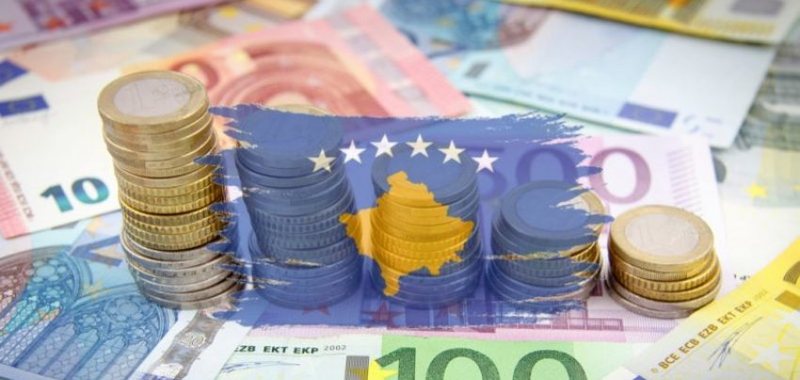
Kosovo's economy grew by 3.85% at the end of 2025 - Trade, transport and accommodation led the expansion
The Kosovo Agency of Statistics (KAS) has published data on Gross Domestic Product (GDP) for the fourth quarter of 2025, by economic activities and......
Fuel from strategic reserves on the market - Some countries are reacting to lower global prices
Several countries have announced plans to release oil reserves to the market in a bid to help calm rising energy prices amid escalating tensions in the......

“Tariffs could cost families over $2,500” - Democrats' Bills in Congress: 44% more than a year ago
President Donald Trump is trying to replace lost federal revenue after the Supreme Court struck down his biggest tariffs last month. A study released Friday......
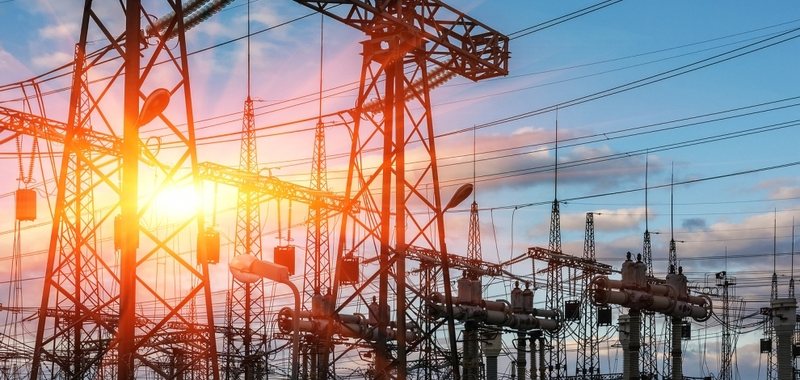
Over 20 measures for energy efficiency - Heating and cooling of buildings, about 33% of final energy consumption in the country
The implementation of over 20 measures to improve energy efficiency in heating and cooling of buildings requires around 4.7 million euros by 2030, while real......

Where does Albania stand on the employment map in Europe? - We lead the region with 68.9%, but still below the EU average
The employment rate is one of the most important economic and social indicators. According to INSTAT data, the employment rate in Albania reached 68.9% for......

Oil risks "freezing" wages - Analysis/ High prices, pressure on businesses
The increase in oil prices in early March 2026 has brought a shock wave to transportation and production costs, exerting direct pressure on the prices of......