New rules for seasonal employment - In North Macedonia, they come into effect from January 1, 2026


From January 1, 2026, the Law on Employment of Persons will enter into force in North Macedonia, a new regulation that aims to formalize seasonal employment and create more flexible conditions for both employees and employers. According to officials, for the first time a clear and functional framework for seasonal engagements is established, aiming to reduce the informal economy and increase transparency in the labor market.
The law allows several categories of citizens to work seasonally without losing their status or current rights. Among them are pensioners, who can work without losing their pension, students, who maintain their status, the unemployed, who do not lose the right to social assistance, employees, who can provide additional income, and the self-employed, who can legally perform additional work.
Beneficiaries can engage in three main sectors: agriculture, hospitality and services.
One of the main innovations is a digital application for registering and deregistering seasonal workers in real time. Employers will be able to complete the procedures within a few seconds, which is expected to significantly reduce "black" work.
The law sets clear limits. 120 to 180 days of seasonal engagement per year, depending on the sector, and up to 15 working days per month for each employee.
According to officials, the flexible model aims to help businesses during busy periods, such as the tourist or agricultural season, while giving individuals the opportunity for additional income without jeopardizing their professional or social status.
The main goals of the law are the formalization of seasonal work, reduction of the gray economy, greater legal protection for workers, greater flexibility for employers, and increased income for low-income individuals and families.
This law is expected to significantly impact the labor market by offering a legal, practical, and safe solution for both businesses and citizens.

Internal combustion engines are back in fashion - Reason: political and trade tensions, doubts about electric vehicles
Car buyers around the world are turning to internal combustion vehicles due to policy changes, trade wars and growing skepticism about the infrastructure and......

Immigrants send money 'more than ever'/ In nine months they bring around 816.45 million euros to the Homeland
Remittances from Albanian emigrants have set another historic record in the third quarter of 2025, reaching 284.7 million euros, according to data from the......

The average salary in Albania reaches 83,300 lekë/ Craftsmen and workers, the surprise of the year. Salary increase over 10%
The average gross monthly salary for salaried employees in Albania reached 83,300 lek during the third quarter of 2025. This figure represents an increase of......
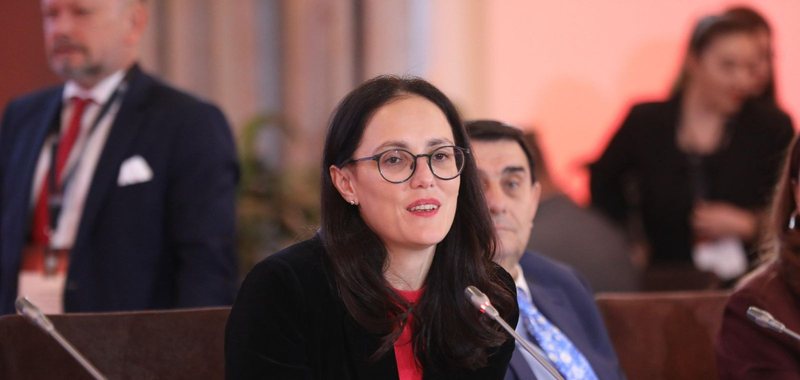
Ibrahimaj: Albania's economic transformation is accelerating, investments, exports and green energy at the center of development
The Minister of Economy and Innovation, Ms. Delina Ibrahimaj, participated today in the panel dedicated to Albania's economic transformation within the......

Tenders, "bonus points" for energy efficiency - Demand for public purchases, cars to be only electric
Institutions will have to respect stronger standards for energy efficiency in public procurement and the purchases they make, according to the changes......
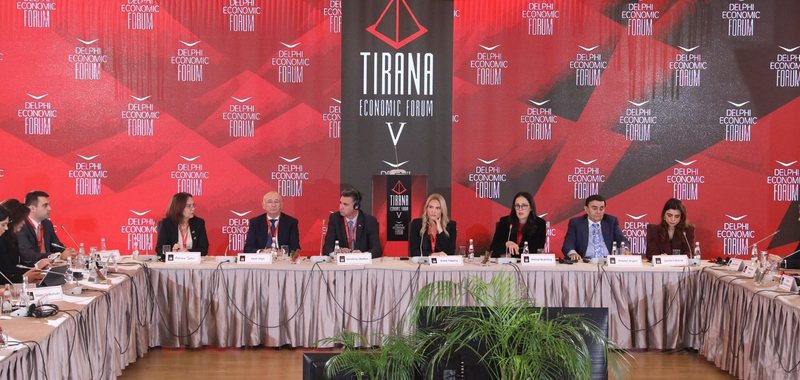
"Albania, ready for high-quality investments" - Prime Minister Rama, promise to foreign investors: Support with fiscal incentives
Prime Minister Edi Rama participated in the "Tirana Economic Forum", from where he invited foreign entrepreneurs to invest in Albania, as there are 4 sectors......

Albanian businesses face the AI era/ EBRD highlights low adoption, but can compensate for workforce decline
The use of artificial intelligence is spreading rapidly in developed economies, while the countries of the Western Balkans, including Albania, continue to......

Albanians, welcoming to foreign workers/Serbia and North Macedonia, skepticism about increasing work permits
The Regional Cooperation Council's Securimeter report sheds light on the perceptions of citizens of six Western Balkan countries regarding policies for......