The region's environment, from plans to action - Western Balkans Ministers adopt the Dubrovnik Declaration

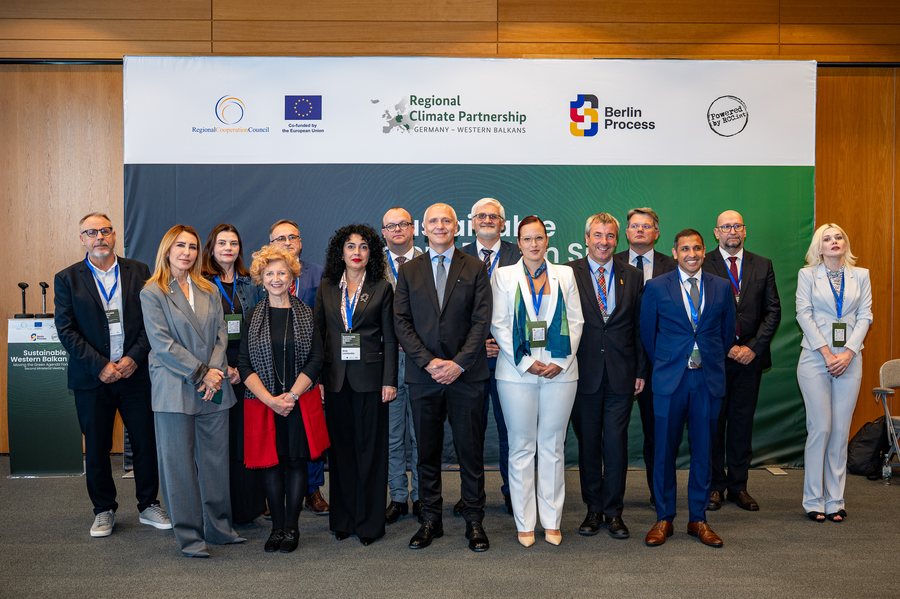
The Ministers of Environment and Sustainable Development from the Western Balkans (WB) adopted the Dubrovnik Declaration at the Second Ministerial Meeting on the Green Agenda for the Western Balkans.
The meeting was organized by the Regional Cooperation Council (RCC) in cooperation with the German Federal Ministry for Economic Cooperation and Development (BMZ), under the Regional Climate Partnership, with the support of the European Commission, the Government of Croatia and under the UK Presidency within the framework of the Berlin Process 2025.
The declaration confirms the region's commitment to pursuing the European Green Deal. It represents a key moment in building a cleaner, more sustainable and climate-resilient Western Balkans.
With the adoption of the Dubrovnik Declaration, Western Balkan ministers adopted four key regional documents:
The Revised Action Plan for the Green Agenda 2025–2030, which reduces the number of actions from 58 to 41 and ensures the region's alignment with the European Green Deal;
The Western Balkans Climate Adaptation Roadmap, which sets out a long-term vision for resilience and steps towards developing a Regional Adaptation Strategy by 2026;
Regional Action Plan for the Prevention of Plastic Pollution, including Marine Litter, aiming to protect the marine and river environment of the Western Balkans 6;
Summary of the Biodiversity Strategic Plan for the Western Balkans, which sets the foundations for nature restoration and alignment with the Global Biodiversity Framework.
These documents set measurable objectives for the region, some of which are:
By 2028, the Western Balkans must reduce the use of the most polluting single-use plastics by 80%.
By 2030, plastic packaging must contain at least 30% recycled material and 40% of municipal waste must be recycled.
The region must also protect 30% of its land and marine areas, with at least 10% under strict protection.
Average temperatures in the Western Balkans have already increased by more than 2°C, almost double the global average. The region faces more droughts, floods and fires. In 2024, 11 of the 13 largest fires in Europe occurred in the Western Balkans.
To adapt, the region will need about $37 billion in investment over the next decade. However, the potential annual benefits by mid-century could reach $74 billion through savings, resilience, and sustainable growth.
IMF, "optimistic" about the future - Increases forecast for the global economy, due to lower tariffs
The International Monetary Fund (IMF) slightly raised its forecast for global economic growth in 2025 as shocks from tariffs and financial conditions turned......

Exchange rate/ The US Dollar and the Euro are weakening!
The US dollar, although it started this week positively, registering a continuous increase since Monday, has suffered a decrease in value today, being bought......
Montenegro's debt, over 60% of GDP - Reaches around 4.8 billion euros. External liabilities dominate, with 94%
Montenegro's total national debt reached 4.76 billion euros, or 60.11% of Gross Domestic Product (GDP) as of June 30. After deducting state deposits, the......
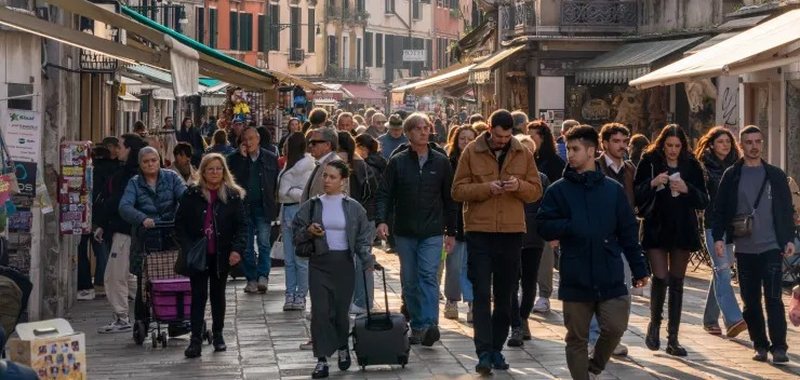
Over 5.7 million Italians in absolute poverty - Foreigners and children most affected by difficult economic conditions
According to data published by Istat, in 2024, around 2.2 million families in Italy were in conditions of absolute poverty, representing 8.4% of resident......
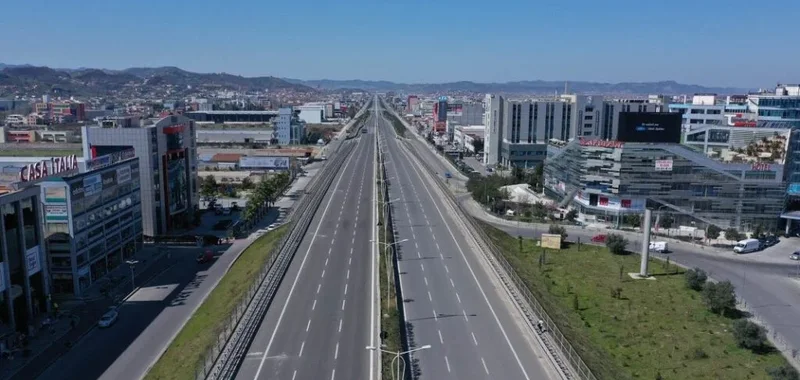
ARRSH shpall planin e ri të menaxhimit të trafikut në autostradën Tiranë–Durrës/ Bllokim i qarkullimit gjatë natës nga ora 23:00 deri në 06:00
Autoriteti Rrugor Shqiptar në koordinim me Policinë e Shtetit ka vendosur të ndryshojë planin e menaxhimit të trafikut në autostradën Tiranë - Durrës, për të......
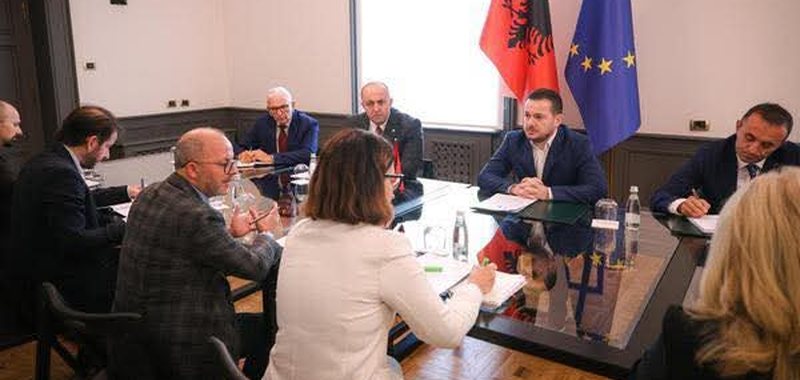
Minister Salla meets EC official: Modernization of agriculture a priority for EU membership
The Minister of Agriculture and Rural Development, Mr. Andis Salla, hosted today in a working meeting the Director for the Western Balkans at the......
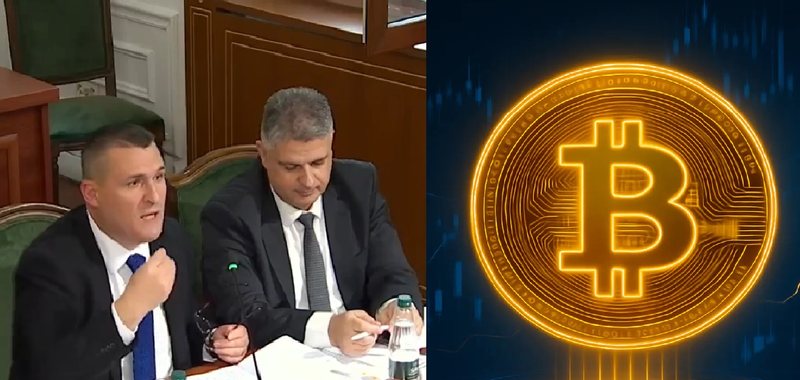
Reporting to Parliament, Dumani: We need a digital wallet, we have seized 11 million euros of cryptocurrencies
The Special Prosecution Office has seized 11 million euros in cryptocurrencies during 2024. The figure was mentioned by SPAK head Altin Dumani during his......

Thousands of visitors join QTU's 20th anniversary celebration!
QTU has kicked off its 20th anniversary celebrations with a weekend full of energy, surprises and spectacular discounts of up to 70%. For three days in a......