Volkswagen, cutting up to 100,000 jobs - The German car industry is facing a deep structural crisis

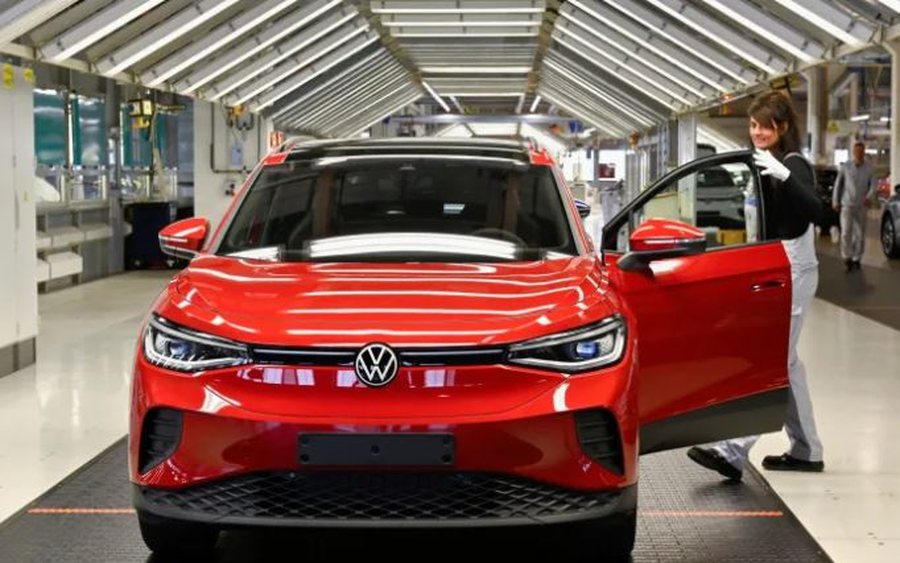
Volkswagen executives are holding emergency meetings with workers this week to discuss the most radical cost-cutting program yet. Up to 100,000 jobs could be cut and some plants could close. The German car industry is facing a deep structural crisis due to intense pressure from Chinese competition, the shift to electric vehicles, higher production costs and other challenges.
Workers had previously agreed to cut about 50,000 jobs, mostly through voluntary redundancy programs. But executives later announced that another 50,000 jobs would have to be cut.
With almost 630,000 employees, Volkswagen has become significantly larger than its competitors over the past few decades, as it decided to control more stages of production while simultaneously taking over rival companies and brands such as Skoda, Porsche, SEAT and Bugatti. The German manufacturer has also been slow to switch to electric vehicles at a time when Chinese competitors were starting to take over the market. This has led to a sharp decline in sales in what was once the company's biggest market, China. Volkswagen currently produces about half a million more vehicles in Europe per year than it can sell.
Last month, VW's supervisory board, which includes representatives of shareholders and employees, rejected a second round of cost-cutting proposals. Complicating matters further is the fact that Volkswagen is partly owned by the state of Lower Saxony, which has 20 percent of the voting rights. According to German media, the state government has refused to approve the plans.
The "Target Vision 2030" plan calls for halving the number of models Volkswagen offers and cutting overall costs, particularly in Germany. The automaker will also reduce its global production target. It reached about 11 million vehicles in 2018 and will drop to nine million a year in the future.
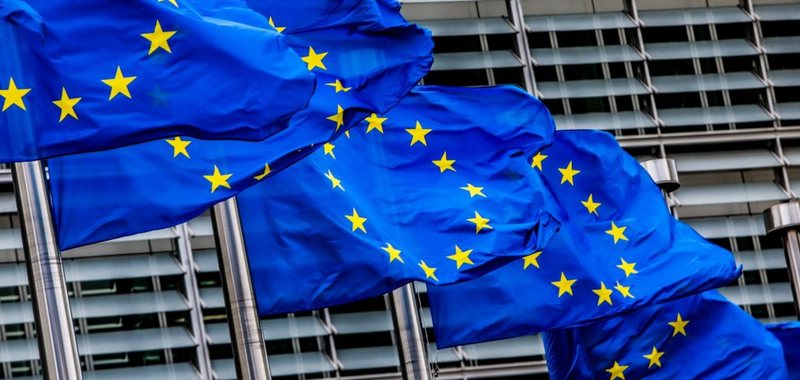
Debate on clean industry in Europe - EU ambition pits France against Germany
The European Union's long-standing ambition to become a clean industrial power will face a major test this autumn, as lawmakers and member states negotiate......

Fewer barriers for professionals - New rules for recognition of qualifications with the EU after accession
Doctors, nurses, pharmacists, architects and other regulated professionals may in the future have simpler procedures for the recognition of qualifications......
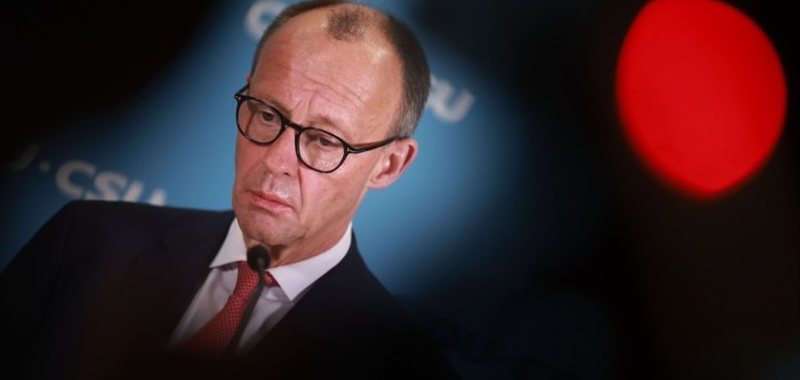
"We will revive Germany's economy" - Chancellor Merz: Business-friendly reform, increased government spending
Chancellor Friedrich Merz vowed to revive the German economy, which he said would achieve growth of at least 1% next year thanks to business-friendly reforms......
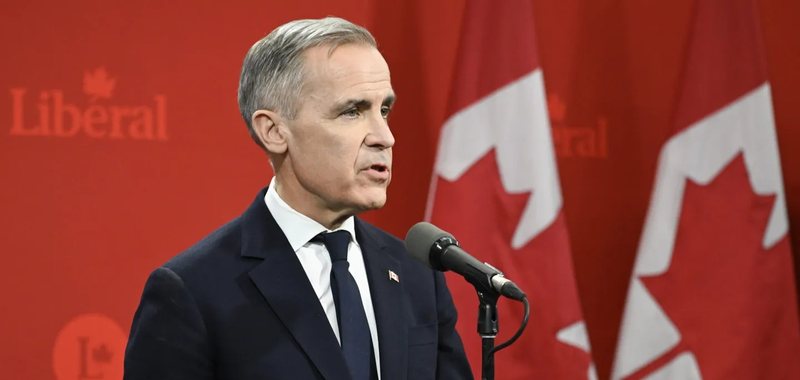
Carney, speech at the European Parliament - EU and Canada aim to strengthen trade and political relations
Canadian Prime Minister Mark Carney will address the European Parliament next month as Canada and the EU seek to forge closer ties as a rift with the United......

Around 41 billion euros in additional costs from fossil fuels - Hormuz crisis exposes EU energy vulnerability
The Netherlands, Italy, France and Spain are among the ten countries most affected by the additional costs of importing fossil fuels caused by disruptions in......

Budget revenues, Minister Petrit Malaj: Increase by 1.2 billion euros compared to 2024
The objective of the Ministry of Finance is for this year's budget revenues to increase by 1.2 billion euros, compared to 2024. This objective was mentioned......

Social Albania, Koçiu: The government's main focus starts with housing for couples and young families
Deputy Prime Minister Albana Koçiu has presented the government's new priority for the political season, with a focus on improving the quality of life of......

Nufi: Guna Tactical, a strategic investment that employs people and impacts the community every day
The Minister of Defense, Ermal Nufi, has shared views from the construction site of the "Guna Tactical" company, where construction of one of the most......