Alcohol prices in Europe - Which countries have the most expensive drinks? Nordic countries lead the way

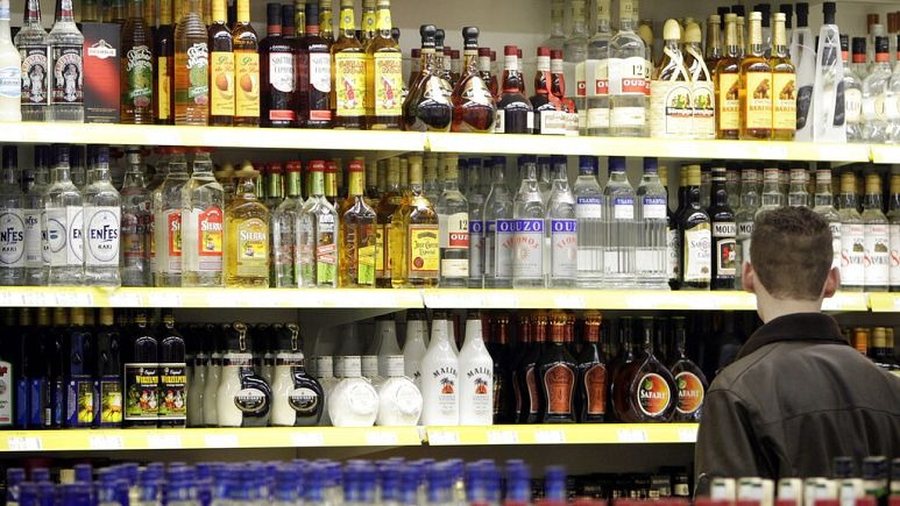
Alcohol prices vary significantly across Europe, with Nordic countries topping the list, while the bloc's larger economies register lower-than-average prices.
Alcohol prices vary significantly across Europe, often due to taxes used to reduce the harms of drinking. According to Eurostat, €1.50 of every €100 that households spend on average on goods and services in the EU goes on alcoholic beverages.
The price level index, which compares the same group of alcoholic drinks across Europe, is a good way to highlight cost differences. The EU average is set at 100, so a level above this figure means a country is more expensive than the bloc's average. A value below 100 indicates it is cheaper.
In 2024, the most expensive country in Europe for alcohol was Iceland. There, people pay €285 for drinks that cost an average of €100 in the EU. That's 185% above the bloc's average.
Elsewhere in the ranking, the price of this group of drinks is €226 in Norway, €210 in Finland and €203 in Turkey. This means that alcoholic drinks cost more than twice the EU average. Ireland, at €198, is also very close to this level. The three most expensive countries are all in the Nordic region. The other two Nordic countries also stand above the bloc's average: Sweden, at €146, and Denmark (€125).
The cheapest alcohol prices are recorded in Italy, Germany and Austria. Alcoholic drinks, which cost €100 in the European Union, are only €84 in Italy, €87 in Germany and €90 in Austria. In Spain, people pay €91 for the same group of drinks. This shows that alcohol is generally cheaper in the bloc's four largest economies compared to the average.
War in the Balkans? How do citizens perceive it - Albania and Kosovo, the least worried. Fear among Bosniaks and Serbs
Fears of a potential conflict between Western Balkan countries are on the decline. According to a Regional Cooperation Council (RCC) survey measuring Western......
In October, German industrial production grew more than expected - Orders for German industrial products increased by 1.5 percent
German industrial production rose much more than expected in October, but economists see no signs of a broader recovery as structural difficulties continue......

Emigration is emptying Albania of educated youth/ 23% left during 2023-2024
Emigration has been and remains one of the most important social and economic phenomena that has accompanied Albania over the last three decades. Since the......
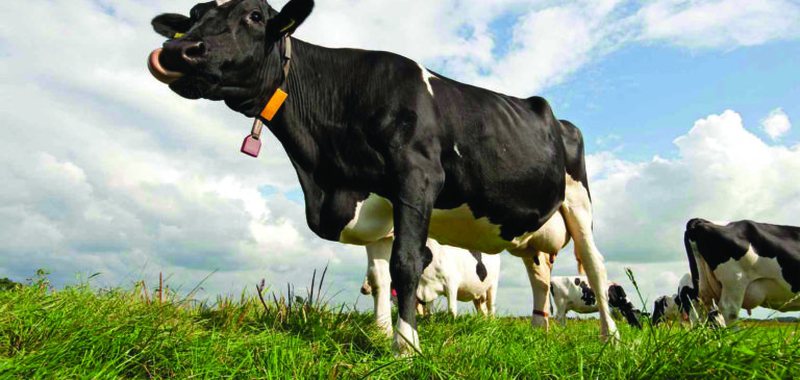
26-year-old from Baldushku who runs the farm - Appeal to young people/ "Take up livestock farming, it's a job that gives you income"
Despite the fact that livestock farming is a declining sector and emigration has negatively impacted its potential for development, there are still young......
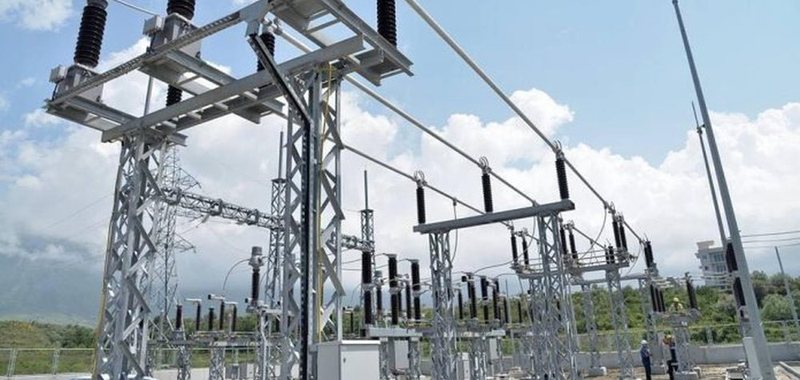
In 6 years, 4097 self-producers of energy - Growing trend year after year, led by private and family consumers
The number of consumers who self-produce electricity has progressively increased in the last 6 years, reaching 4097 according to the latest data reported for......
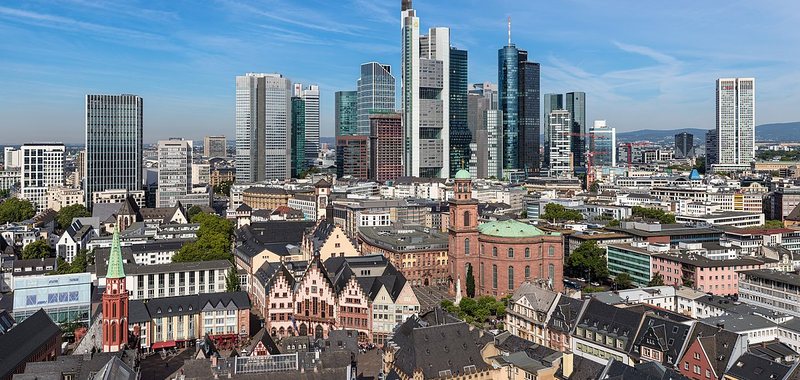
Germany, the debate on the retirement age - Under review, retirement according to years of contributions
Germany is considering pension reform, linking retirement age to years of contributions rather than just life expectancy. Under the measure, people who work......
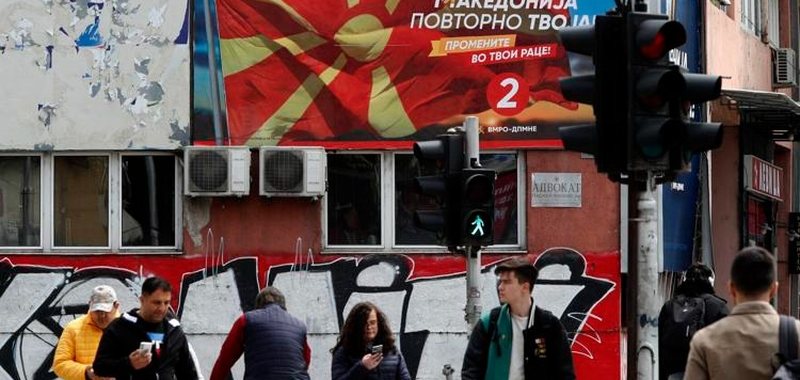
The challenges of migration in North Macedonia - One in three students wants to leave the country
Young people in North Macedonia continue to see emigration as a priority. According to the latest report, around a third of students are looking to leave the......
Pensions, the biggest concern for Albanians - RCC: They are the most satisfied with the economy, but also the most financially insecure
Across the region, Albanians are the most satisfied with their economy. According to a report by the Regional Cooperation Council (RCC), nearly 31% of......