War in the Balkans? How do citizens perceive it - Albania and Kosovo, the least worried. Fear among Bosniaks and Serbs

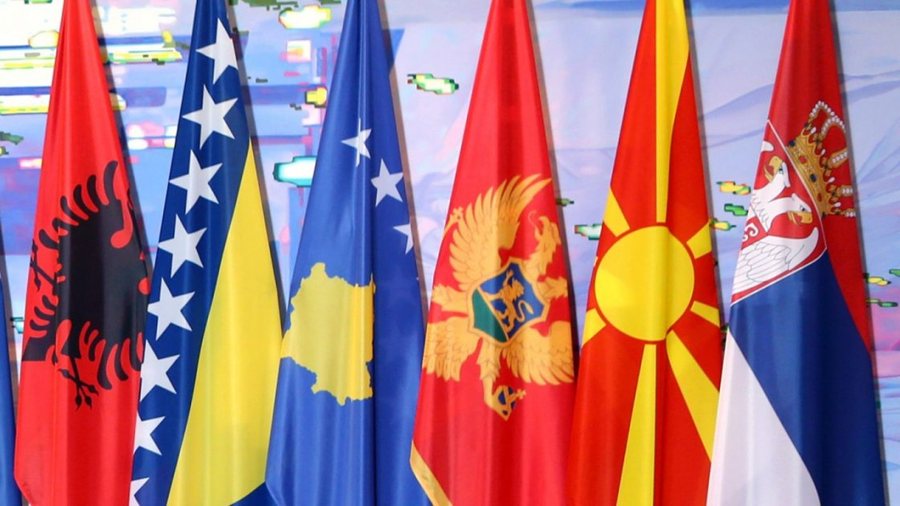
Fears of a potential conflict between Western Balkan countries are on the decline. According to a Regional Cooperation Council (RCC) survey measuring Western Balkan citizens' perceptions of security, 2025 marked a reversal of the trend compared to 2024, where almost 50% of citizens surveyed across the region indicated a low level of concern about conflict between their countries.
In Albania, public concern about the possibility of war in the region has changed significantly. Last year, 53.6% of citizens expressed high concern, but this fell to 44.5% in 2025. Meanwhile, the share of those with low concern increased from 43.1% to 50%, indicating a growing belief that regional conflict is unlikely.
Bosnia and Herzegovina has the highest level of concern about a war among the 6 Western Balkan states. In both 2024 and 2025, the majority of citizens expressed fear.
On the other hand, Kosovo is less worried. In both 2024 and 2025, a large majority of citizens expressed low concern, at 69.5% and 72.5%, respectively. Only 24% of the population declares that they are very afraid of a possible war. These data suggest a strong and growing sense of security in Kosovo regarding the possibility of internal conflict in the region.
In contrast, the majority of Serbian citizens remain concerned about a possible war in the Western Balkans. In 2024 and 2025, around 53.8% of the population were very afraid that a regional conflict could occur.
Montenegro and North Macedonia are more balanced.
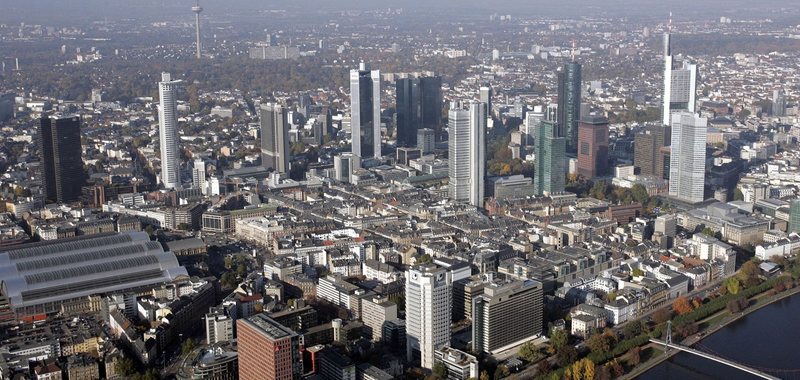
In October, German industrial production grew more than expected - Orders for German industrial products increased by 1.5 percent
German industrial production rose much more than expected in October, but economists see no signs of a broader recovery as structural difficulties continue......

Emigration is emptying Albania of educated youth/ 23% left during 2023-2024
Emigration has been and remains one of the most important social and economic phenomena that has accompanied Albania over the last three decades. Since the......
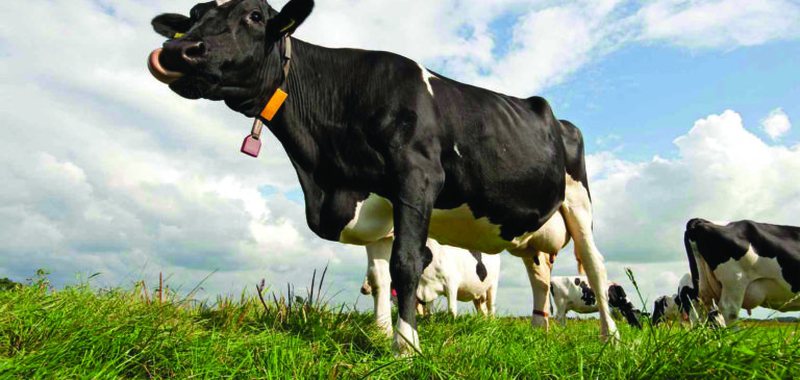
26-year-old from Baldushku who runs the farm - Appeal to young people/ "Take up livestock farming, it's a job that gives you income"
Despite the fact that livestock farming is a declining sector and emigration has negatively impacted its potential for development, there are still young......
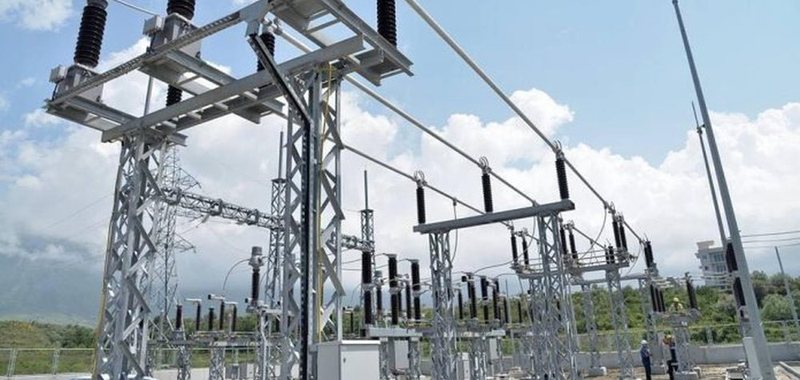
In 6 years, 4097 self-producers of energy - Growing trend year after year, led by private and family consumers
The number of consumers who self-produce electricity has progressively increased in the last 6 years, reaching 4097 according to the latest data reported for......
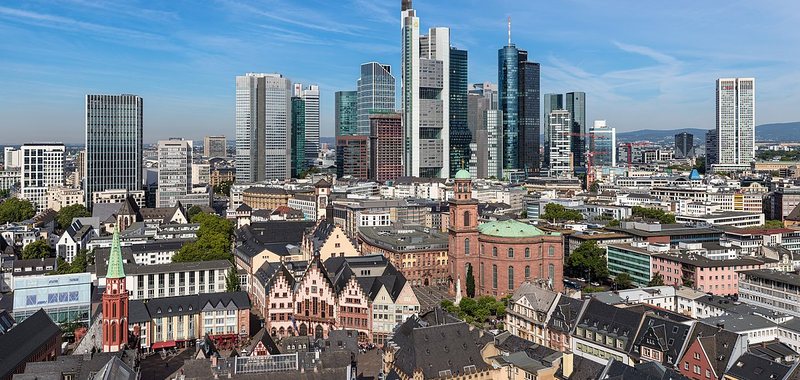
Germany, the debate on the retirement age - Under review, retirement according to years of contributions
Germany is considering pension reform, linking retirement age to years of contributions rather than just life expectancy. Under the measure, people who work......
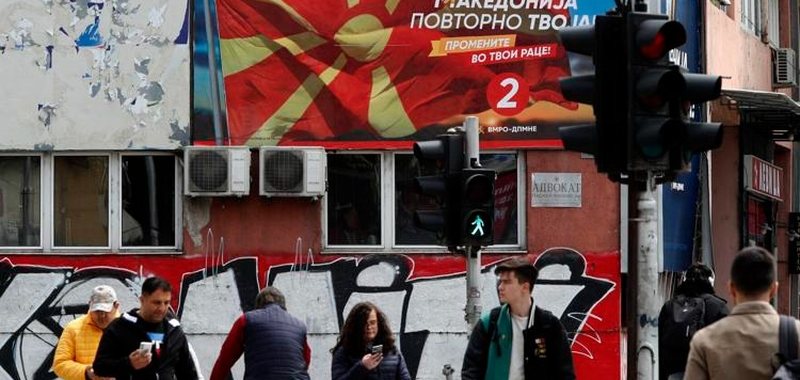
The challenges of migration in North Macedonia - One in three students wants to leave the country
Young people in North Macedonia continue to see emigration as a priority. According to the latest report, around a third of students are looking to leave the......

Pensions, the biggest concern for Albanians - RCC: They are the most satisfied with the economy, but also the most financially insecure
Across the region, Albanians are the most satisfied with their economy. According to a report by the Regional Cooperation Council (RCC), nearly 31% of......

Over 19 thousand online applications to register as job seekers - Applications on e-albania, up 40% compared to a year ago
The number of citizens who have registered as job seekers through the government portal e-Albania has increased significantly this year. According to data......