Hungary closes its only nuclear power plant - Cause: falling water levels in the Danube due to drought

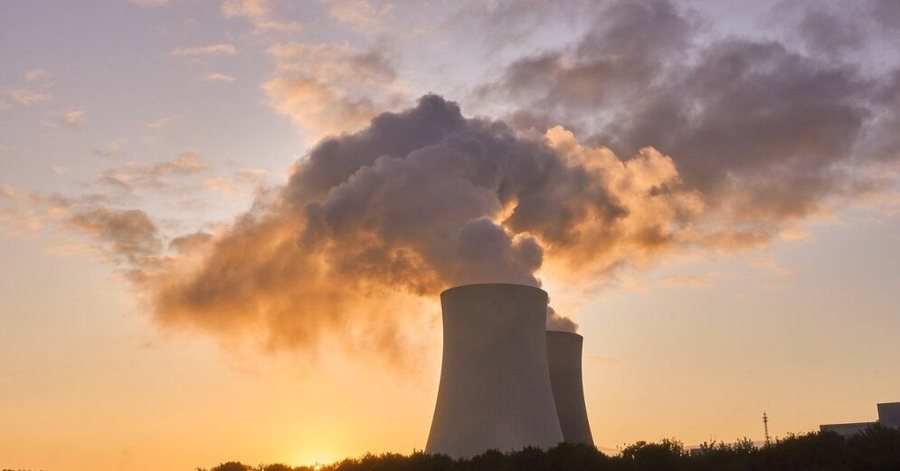
Hungary faces five critical days, Prime Minister Peter Magyar said, as the drying up of the Danube forces the closure of the country's only nuclear power plant for the first time in more than four decades.
Large parts of Europe have been hit by prolonged heat and drought, lowering river levels and raising concerns about water supplies, river transport and energy production.
Hungary's 2-gigawatt Paks power plant, which generates about half of the country's electricity, was operating at just over 10% of its capacity on Sunday afternoon after the Danube, whose waters are used as a coolant, fell to a record low. The water authority predicted that the level of the river, which flows from Germany to the Black Sea, would fall further in the coming days.
"We are facing the five most critical days ahead," Magyar said in a Facebook video. "Starting from August 3, the Paks power plant will not produce energy, while the hottest days, with temperatures reaching 40 degrees Celsius, await us."
"The electricity grid, our public services and we ourselves will face great pressure," said Magyar, who has warned that Paks, which runs four Russian-built reactors, could remain out of service for weeks.
He said voluntary cuts in energy use by households and more than 300 companies, made after a government appeal, had reduced demand by 400 MW, somewhat easing pressure on the grid.
"At the moment there is no need for mandatory restrictions on energy consumption for companies," Magyar said, adding that the government could impose restrictions as early as Monday if necessary.
Falling water levels have also disrupted shipping and tourism in Hungary and caused restrictions on water use in more than 100 towns and villages, including the outskirts of Budapest, according to government data.
The crisis could cost Hungary between $315 million and $630 million due to the rising price of imported electricity.
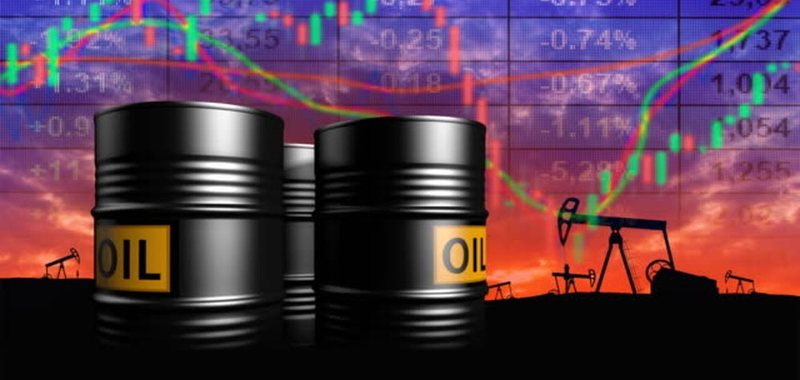
OPEC+ increases oil production in September - Completes lifting of voluntary cuts
OPEC+ approved an increase in oil production quotas of about 188,000 barrels per day starting in September, the producer group said, in a move that ends the......

Bashkëpunimi ekonomik, ministrja Ibrahimaj fton sipërmarrjen indoneziane të investojë në Shqipëri
Ministrja e Ekonomisë dhe Inovacionit, Delina Ibrahimaj, gjatë vizitës zyrtare në Republikën e Indonezisë, u prit në një takim nga Ministri i Investimeve dhe......

Karakaçi inspects the investment in Bogë/ Head of the OSSH: The network is facing high load due to the heat
The Minister of Energy and Infrastructure, Enea Karakaçi, is in Bogë, where he is inspecting the investment for the construction of a 35 kV line and a new......

How will Albania be divided with the new map? Mazniku: New governance scheme for municipalities. We increase the quality of services
The majority proposes that Albania be divided into 46 municipalities from the current 61. The Co-Vice-Chairman of the Parliamentary Committee for......

Bialczak: The "American Dream" can also be built online/ From pizza shops to AI companies. How Albanian entrepreneurship is transforming in the US
Albanians around the world are no longer just part of the labor market, but are increasingly becoming business creators and investors. From small family......

"Great dissatisfaction with territorial reform"/ Berisha: Monstrous crime with the "merger" of 15 municipalities
The leader of the Democratic Party, Sali Berisha, in a press conference called the "merger" of 15 municipalities a monstrous crime. According to him, the......

Garanci financiare për dëmet në mjedis/ Veprimtaritë me risk, operatorët do paguajnë garanci bankare, ose sigurim të detyrueshëm
Ministria e Mjedisit ka nxjerrë për konsultim publik një projektvendim që synon të vendosë për herë të parë një mekanizëm të detyrueshëm garancie financiare......

The first "Made in Albania" vehicles for the army/ Rama: Within 2028, the Armed Forces will be equipped with all capacities
For the first time, the Armed Forces will use military equipment “Made in Albania”. Prime Minister Edi Rama was present at the ceremony of the Armed Forces......