August, temperatures above normal! - Tropical nights in Mediterranean countries. Even Britain at 35 degrees

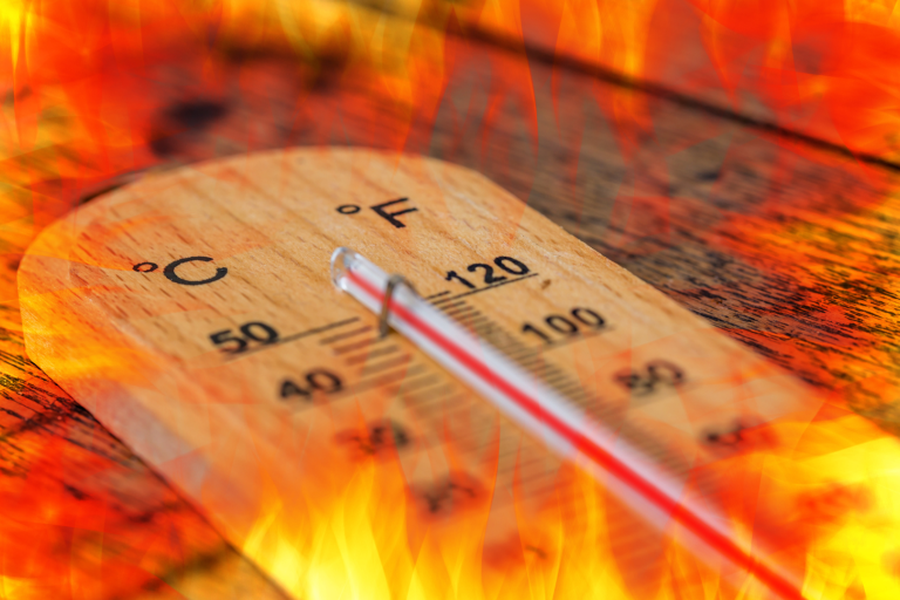
Europe is bracing for a "warmer than normal" August after a series of heatwaves. Much of the continent has struggled to cope with temperatures that have soared above 40°C in recent weeks, creating ideal conditions for wildfires that have devastated large parts of France and Spain and forced the evacuation of hundreds of thousands of people.
But the chances of long-awaited relief from the high temperatures seem unlikely, as early forecasts warn that further heatwaves are possible.
"Since their early July numbers, the seasonal updates tilt all odds towards a warmer-than-normal August across Europe and agree that the strongest and most certain heat signal is over the Mediterranean and Southeastern Europe," experts say. This includes recurring 'heat clusters' such as Iberia, Italy, Greece and parts of the Balkans.
WFY24 forecasts for the first few days of August show that Naples, Barcelona, Rome, Valencia, Nice, Thessaloniki, Split and Athens will record above 20°C every night. This is classified as a tropical night, which could increase the risk of severe heat stress - especially among vulnerable populations.
Even further north, scorching temperatures are on the horizon. The UK Met Office warns that maximum temperatures are expected to reach 35°C in August as the mercury intensifies.
Advances in weather and climate data have made it easier for scientists to assess the impact of global warming on extreme events, such as heat waves and floods. This is often called extreme event attribution.
Since there are many interacting factors, including natural triggers like El Niño, studies of attribution of extreme events are not looking to find out whether climate change directly caused a heat wave, but rather how warming temperatures have influenced the event.
This is often done by comparing how often an extreme event occurs today compared to how often it would have occurred in a world without human-caused climate change.
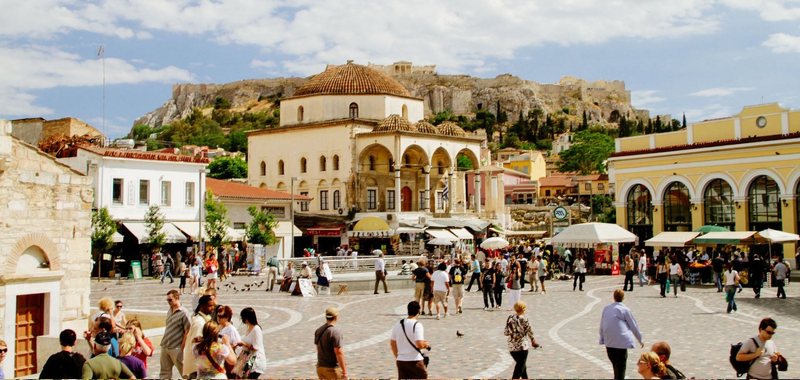
Spain breaks tourism records - But one in three Spaniards can't afford a vacation
Spain is set to break new records in tourism this summer, but one in three residents cannot afford to spend a week away from home on holiday. Between June......
Italy reactivates fuel excise tax reduction - If prices remain high, other relief measures will be taken
Italy has reactivated a temporary cut in excise duty on oil amid widespread protests in many cities against rising energy costs and concerns about the fiscal......

"5 stores", discounts of up to 30% on fruits and vegetables/ New York, Mamdani announces initiative to reduce living costs
New York City Mayor Zohran Mamdani's plan to open a chain of city-owned grocery stores has sparked a backlash. Critics have called the initiative the......

"Unregistered lands hinder agrotourism" - Investment Council: State properties should be registered
Uncertainties over land ownership are becoming one of the main obstacles to the development of agritourism in the country. A report by the Investment Council......
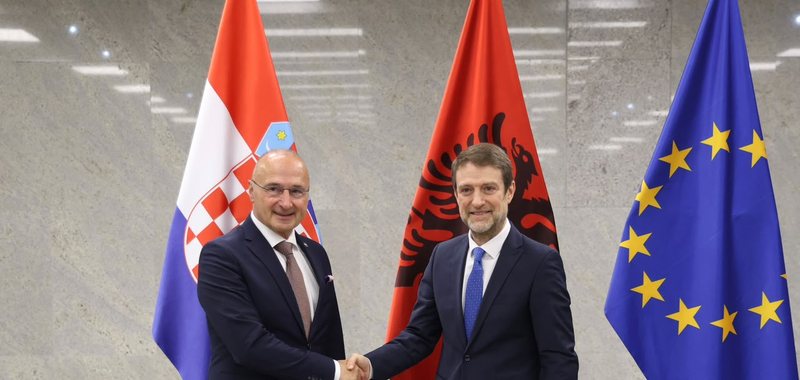
Shqipëri-Kroaci, ministri Hoxha: Projekte të përbashkëta në energji, turizëm dhe infrastrukturë
Ministri i Jashtëm Ferit Hoxha ka pritur në Tiranë Ministrin e Punëve të Jashtme dhe Evropiane të Kroacisë, Gordan Grlić-Radman. Pas takimit, ministri Hoxha,......
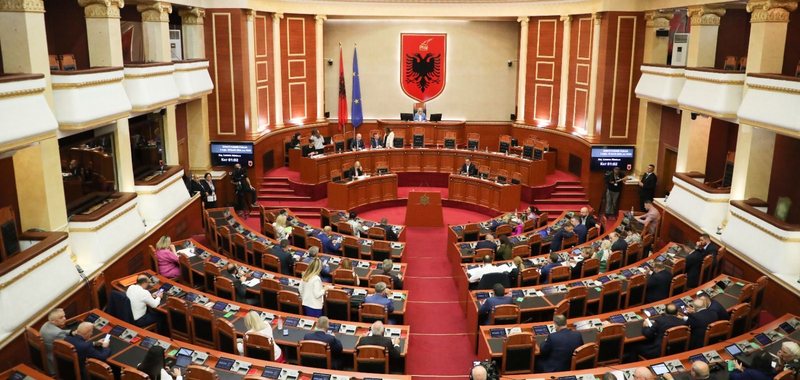
$302 million military agreement with the US, approved by the Parliament with 74 votes in an accelerated procedure
The Albanian Parliament approved, by an accelerated procedure, with 74 votes in favor, a $302 million loan agreement from the United States for the purchase......

The Competition Authority imposes measures against Vodafone and One: Cheaper packages for pensioners and students
The Competition Authority has imposed a series of measures and obligations against Vodafone Albania and One Albania, following the completion of an in-depth......
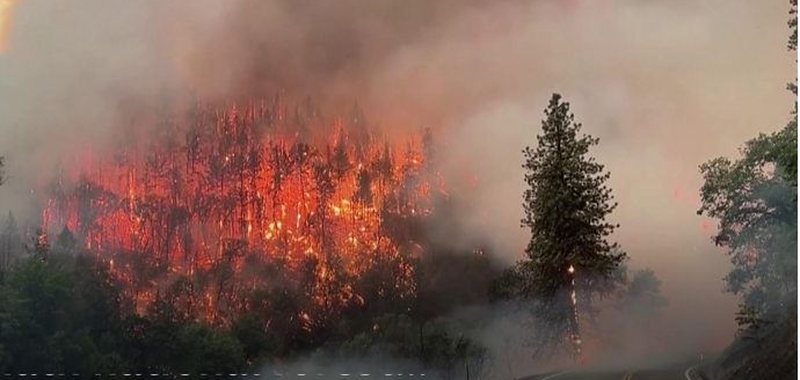
"Maximum preparedness for fires" - Rama: Three more firefighting aircraft are expected to be added to the air fleet
Prime Minister Edi Rama held a meeting at the Farka Air Base with firefighters and Civil Emergency troops, on the eve of the increased risk of fires due to......