8 million homes in Italy, uninhabited - Analysis, 86% of owners cite non-payment of rent as main concern

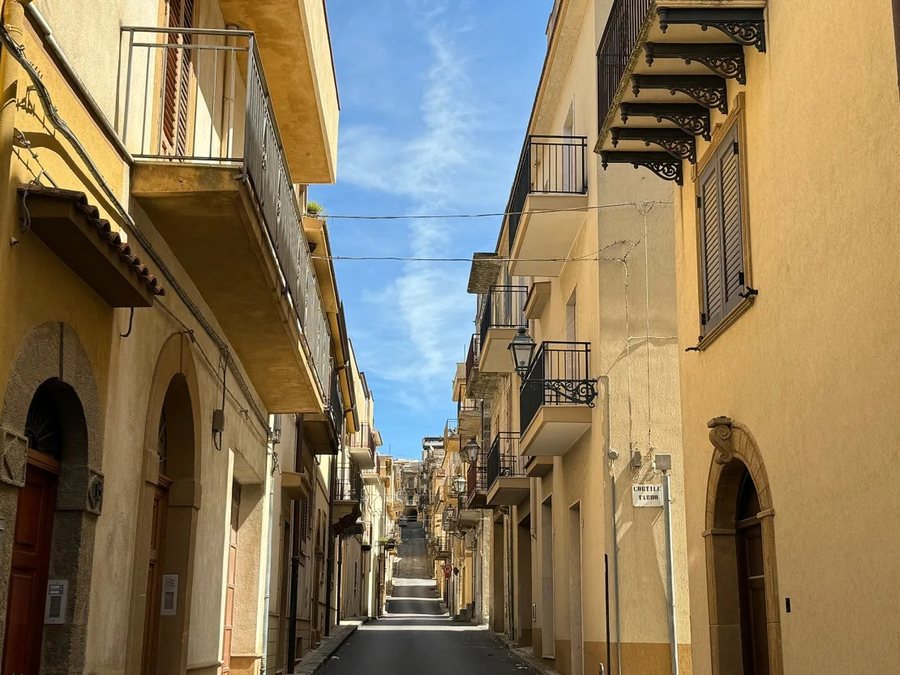
In Italy, the housing crisis is not caused by a lack of housing, but by a supply that is struggling to become available, according to an analysis by the SoloAffitti network.
The analysis highlights a market in which, out of approximately 4.3 million rental homes, approximately 8 million properties are vacant, while short-term rentals fluctuate between 500,000 and 600,000 units. These data show a clear paradox, the housing stock exists, but a significant portion remains unavailable, with a ratio of approximately 1 in 3 rental homes.
What is hindering supply is largely a matter of trust. According to the Report, 86% of landlords cite non-payment of rent as their main concern and 62% fear eviction proceedings. These two factors are closely linked, on the one hand, non-payment, and on the other, the difficulty in regaining possession of the property within a certain time frame.
Although official figures suggest approximately 40,000 evictions each year, the actual phenomenon is much broader. Many cases are resolved before a court decision, but still result in financial losses. The number of evictions represents only the tip of the iceberg of a more widespread problem, which includes late payments, partial settlements and the release of properties without payment.
Over time, a “real long memory of evictions” has developed, with over 1.1 million eviction orders issued since 2004 and around 2 million since 1978. This widespread phenomenon has contributed to the instillation of a high and persistent perception of risk, directly influencing landlords’ decisions. It is in this context that an ever-increasing proportion of the housing stock remains off the market: not due to a lack of demand, but due to a current economic climate that does not offer sufficient security to tenants.
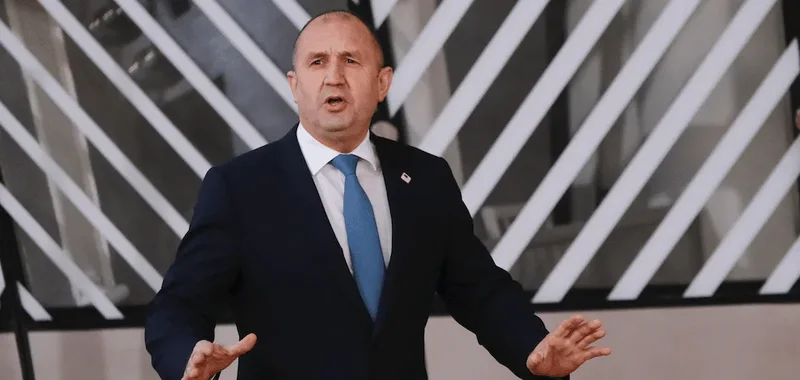
Pro-Russian ex-president wins Bulgarian elections - Rumen Radev's party gets over 44% of the vote
Pro-Russian former President Rumen Radev has won a landslide victory in Bulgaria's parliamentary elections, official results showed, potentially ending years......

Electricity prices eased - Bulgaria and Slovenia receive EU approval for schemes
The European Commission said it has approved state aid schemes to provide temporary electricity price relief for energy-intensive companies in Bulgaria and......
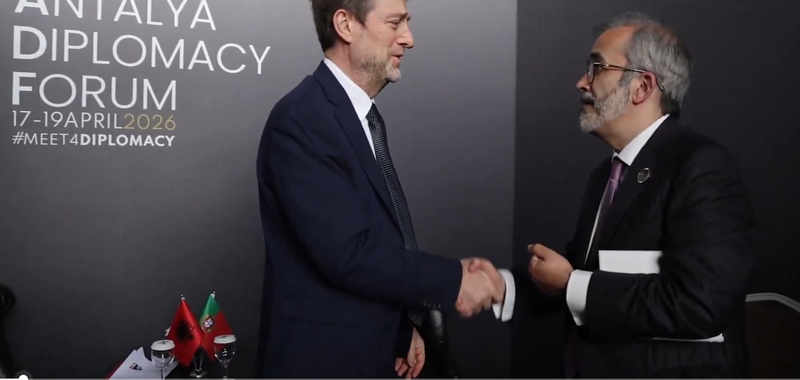
Antalya Diplomacy Forum, Minister Hoxha: Diplomacy, the strongest tool to promote dialogue
"In times of crisis, diplomacy remains our strongest tool to foster dialogue, build trust and advance peace." This was the position taken by the Albanian......

Lushnje, SHBB is created in the olive oil sector, Minister Salla: New model for the development of agriculture
The Minister of Agriculture and Rural Development, Andis Salla, together with the Mayor of Lushnja, Eriselda Sefa, presented in Lushnja the creation of the......
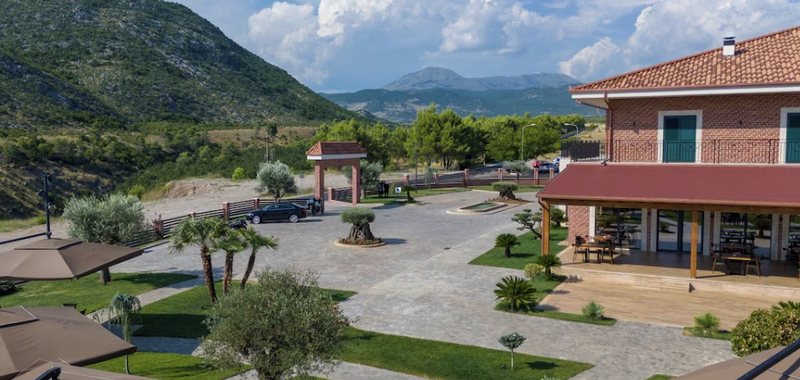
"Gateway to the Alps", a massive 100 million euro investment, co-financed with the EIB with a focus on mountain tourism
In Prime Minister Edi Rama's weekly notes, special attention was also paid to the Mountain Package and more specifically to the project that is part of this......
Rama on visits to Rome and Barcelona: Interest in Albania at new level
In the weekly notes made by Prime Minister Rama, the two-day visits he had to Rome and Barcelona took first place. In the Prime Minister's assessment,......
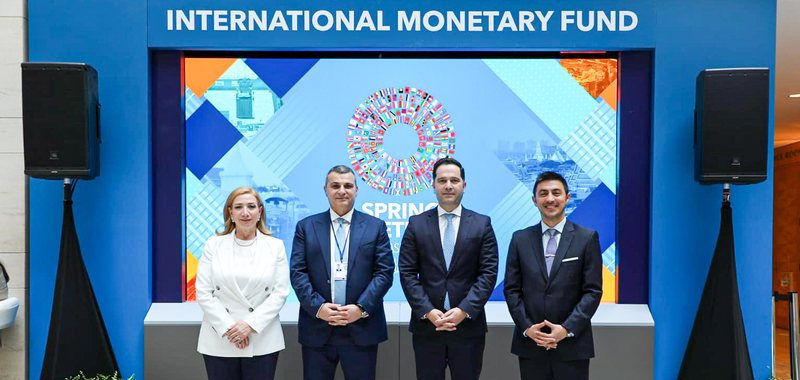
IMF Spring Meetings in Washington: Albanian economy performing positively in the face of global challenges
On April 16–18, 2026, the Governor of the Bank of Albania, Mr. Gent Sejko, participated in the Spring Meetings of the International Monetary Fund (IMF) and......
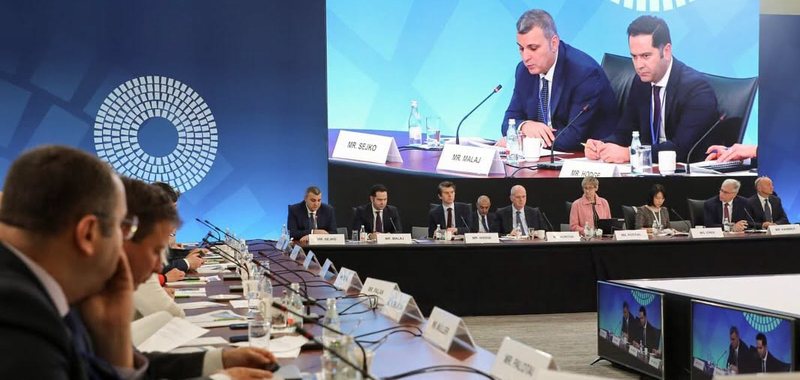
Sejko and Malaj in Washington, part of the closed-door meeting of the IMF's European Department
Governor Gent Sejko, together with the Minister of Finance, Petrit Malaj, participated in a closed-door meeting with finance ministers and central bank......