Concern about global economic imbalances - One of the central topics at the G7 leaders' meeting


France is using its G7 presidency to spotlight growing imbalances in global economic growth, as China's soaring exports, chronic US deficits and Europe's weak investment risk exacerbating trade tensions and exposing the world economy to financial shocks.
Disparities between global trade and capital flows have reached what French President Emmanuel Macron has called "unsustainable" levels, forcing him to put the issue on the agenda of the G7 leaders' summit in Evian.
Current account balances, which measure the flow of money into and out of a country in the form of imports and exports, investment income and foreign aid, illustrate a growing divide since the COVID-19 pandemic.
After narrowing in the decade following the 2008-2009 global financial crisis, China's surplus is rising to record levels, the euro area has maintained its role as a net lender, and the United States continues to rely on foreign capital to finance consumption.
Together, the trends point to a global system in which excess savings are recycled into demand elsewhere – with the United States acting as the world’s main absorber. China and the eurozone have consistently taken more from the rest of the world than they spend, while the US has done the opposite – a gap that lies at the heart of today’s trade tensions.
China's export-led growth model is under increasing scrutiny, with state support far exceeding that in most other economies and helping to boost output far beyond what its households can consume.
Its external position has changed significantly in recent years, with its current account surplus rising since COVID to a record $735 billion following a post-pandemic export boom that occurred despite higher US tariffs.
In contrast, the US continues to anchor global demand through persistent current account deficits, reflecting strong household consumption and low savings. The pattern has been reinforced by loose fiscal policy, with multiple rounds of tax cuts, financial crisis-induced stimulus, and pandemic-era spending pushing the federal deficit deep into negative territory.

“Serbia's Economy is Stable” - IMF Report: Risks Remain Present
Serbia's economy remains resilient amid disruptions caused by the war in the Middle East, with downside risks high, the International Monetary Fund (IMF)......

Retail sales rose 6.7%/ Non-food items and fuels led the growth at the beginning of the year
Retail trade in Albania has started 2026 with strong growth rates, reflecting the expansion of consumption, especially as a result of increased demand from......
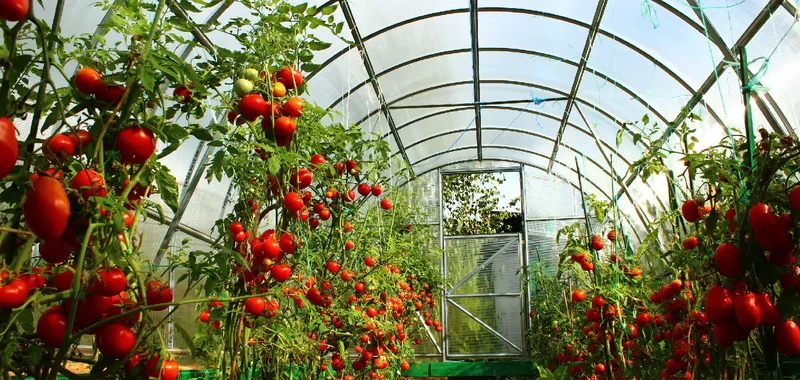
National Scheme 2026: Up to 200 thousand lek support for organic farms
Farmers operating in the organic agriculture sector can apply until June 26 to receive financial support under the National Support Scheme for Agriculture......
EU monitors project in Zvërnec, Kos: Environmental standards must be fully implemented
Prime Minister Edi Rama announced today that the European Commission has been acquainted in detail with the documented administrative process regarding the......

CAA: Drone flights over the Palace of Congresses will be restricted on June 17
The Civil Aviation Authority has announced the imposition of a temporary restriction on flights over the area of the Palace of Congresses in Tirana, as......

Tirana Coast, interest in 5% Revaluation of properties - Taxes: €84 million saved, Pipiria: €1950 average price in Tirana
Since the start of the real estate revaluation process, the amount saved by individuals and businesses from the implementation of the reduced tax of 5% is......

Businesses compete for online attention - Albania, over 7 thousand active ads in Meta
Albanian businesses are increasingly increasing their presence on social platforms, while online advertising has become one of the main tools to reach......

Agricultural census requires additional funds - Debates in the Assembly/ Budget increase and additional guarantees for a quality process are requested
"The development of the agricultural census requires additional funding to accomplish an accurate and complete data process." The request was made during......