Global economic growth will slow to 1.3% - WB: Developing countries will be hit hardest by rising unemployment and inflation


The escalation of the conflict between the United States and Iran could fuel inflation, raise interest rates and reduce global growth to 1.3%, from 2.9% last year, the World Bank's chief economist, Indermit Gill, warned in an interview with Reuters.
Gill said the World Bank had modeled three scenarios in its June economic forecast, given the high uncertainty surrounding the war in the Middle East, but the worst-case scenario of hostilities lasting six months or more is now close to being realized. Under that scenario, global inflation would reach 4.5%.
Prolonged fighting and damage to the region's oil infrastructure would also deepen food insecurity by disrupting shipments of fertilizers, helium and sulfur needed for agriculture, triggering a chain of secondary effects that could include higher interest rates, Gill said. His comments were the first by a senior World Bank official since tensions between Washington and Tehran escalated and the collapse of an April ceasefire agreement that had fueled hopes of a more moderate impact on the global economy.
But the war has escalated in the past two weeks, with US forces bombing targets in southern and western Iran, while Tehran has retaliated by striking US bases in Bahrain, Kuwait and Jordan. Shipping in the Strait of Hormuz remains blocked, while Yemen's Iran-aligned Houthi rebels have announced a naval blockade of Saudi shipments through the Bab el-Mandeb Strait, which leads to the Red Sea.
Gill said that poor countries that had not recovered from the COVID-19 pandemic could face greater food insecurity, while nations with high levels of debt will be hit by rising borrowing costs, undermining spending on education, health and other vital services.
The World Bank’s forecast suggests that 40% of low- and middle-income countries are already in debt distress, or at high risk of becoming in distress. The average debt-to-GDP ratio for developing countries was about 74% in 2025, well above the 50 or 55% before the pandemic began in late 2019. For low-income countries, this ratio has risen to 67%, from about 40% at the end of 2019.
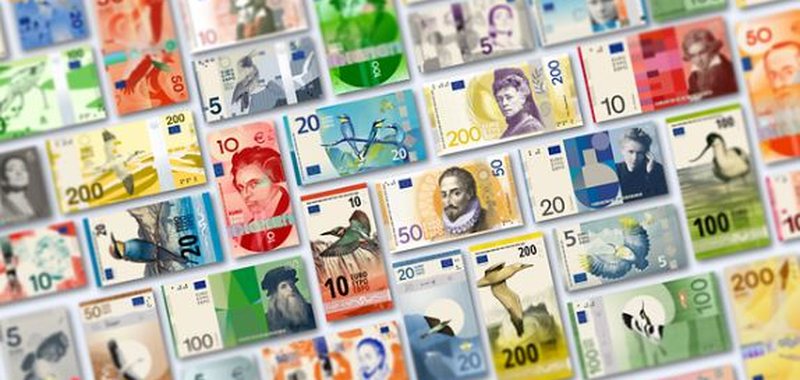
ECB unveils new banknote designs - Winner expected to be selected by the end of the year
The European Central Bank has revealed a shortlist of new banknote designs and expects to choose a winner by the end of the year in its bid to launch more......

332 million euros in business obligations forgiven/ Anti-informality, Taxes: 932 million euros more in the last two years
The anti-informality reform, intensively undertaken in the last two years, has also produced concrete results, reflecting an increase in budget revenues, an......
US, new tariffs of 10-12.5% for 60 countries - The measure is justified by the non-compliance with international labor standards
The United States will impose tariffs, ranging from 10% to 12.5%, on imports of goods from 60 economies around the world, starting today. The White House has......
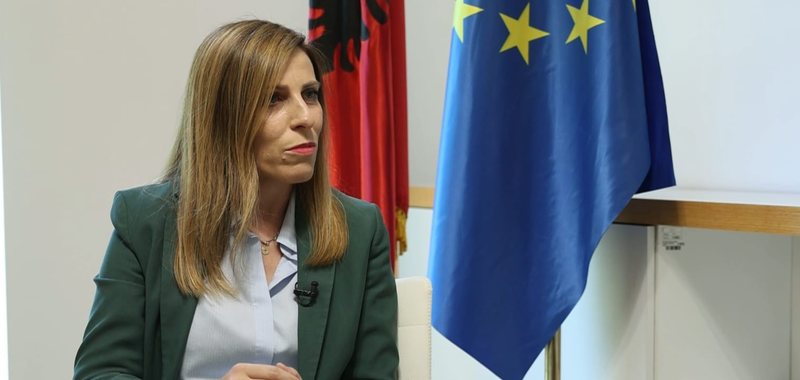
“Albania launches fast payments in November” - Bregu: Infrastructure almost ready. A non-bank financial institution, part of SEPA in August
Instant payments are expected to become a reality for Albania in November of this year, when the implementation of the instant payment system officially......

After the tragic accident, DPSHTRR reacts: The two Egyptian citizens did not have an Albanian driving license
The General Directorate of Road Transport Services (DGRTS) has reacted after news published in the media regarding allegations that two Egyptian citizens,......

EU imposes €890 million fine on Google
The European Commission announced on Thursday a fine of 890 million euros against Google for alleged self-preference practices and unfair treatment of app......

"Online transparency and security increase" - Karakaçi: The new law fills the legal gap for digital services
More transparency for advertisements that appear on social networks, complaint mechanisms for blocked accounts and stronger measures against illegal content.......

QKB, new business registrations increase by 7.5% in the first 6 months of 2026
The National Business Center (NBC) publishes statistical indicators for the period January-June 2026, which evidence a positive performance of economic and......