Employment in the energy sector, double the global rate - The industry employed 76 million people last year, with a 2.2% increase

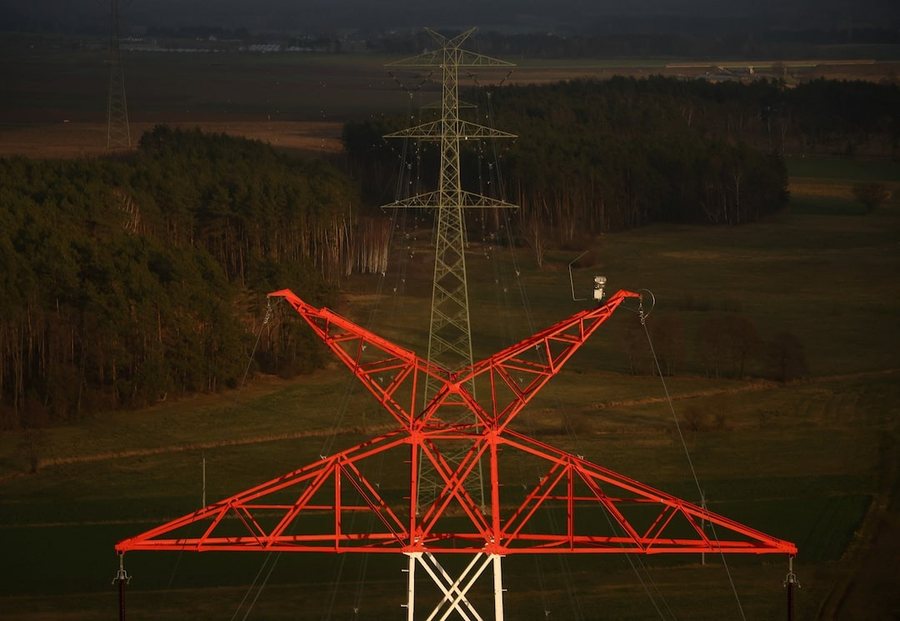
A new report from the International Energy Agency (IEA) shows that by 2024, the rate of employment growth in the energy sector was twice as high as in the global economy as a whole. On the other hand, the organization warns of a shortage of skilled labor in key sectors.
According to the report, the energy sector employed 76 million people last year. Investment in energy infrastructure contributed to employment growth of 2.2%, almost double the global rate of 1.3%.
The shift to electrification is dramatically transforming the structure of the workforce. For the first time, the energy sector has surpassed fuel supply in terms of employment. The number of people employed in electricity generation, transmission, distribution and storage has expanded by 3.9 million over the past five years, reaching 22.6 million people, almost three-quarters of all new jobs in the energy sector.
Renewables, particularly solar power, are the main drivers of this expansion. Solar power alone accounts for 50% of all new positions in the energy production sector as of 2019. The total number of jobs in this sector is estimated at around five million.
Nuclear power, grid expansion and energy storage together account for a quarter of new jobs in the sector since 2019, despite challenges such as rising component costs and labor shortages.
While employment in the wind sector grew by just 3% in 2024, reaching 1.7 million jobs, compared with an average annual rate of 5% over the previous five years. According to the latest data, rising procurement costs and reduced government subsidies have slowed project development and delayed new investments.
Despite the data, the report highlights a significant shortage of skilled labor. Technical occupations such as electricians, pipefitters, power line workers, plant operators and nuclear engineers are particularly in demand. According to a survey by the International Energy Agency, 60% of companies reported labor shortages.

Urban transformation in Radhimë - 102 million lek investment for roads, public spaces and panoramic viewpoints
The Albanian Development Fund has announced the opening of the competition for the urban transformation of key public spaces for urban regeneration of the......

How much do Albanians spend abroad? Every trip outside Albania cost us around 350 euros
In the period January-September 2025, each trip of an Albanian citizen abroad cost an average of around 352 euros, almost at the same level as the 349 euros......

How has this week started for the major currencies?
The US dollar has started the week negatively after losing points over the weekend compared to last week, being bought this morning at 81.7 lek and being......

Food prices in Europe - Which countries are the most expensive?
Food is one of the largest expenses for families in Europe, accounting for an average of around 11.9% of expenses across the European Union, while in......
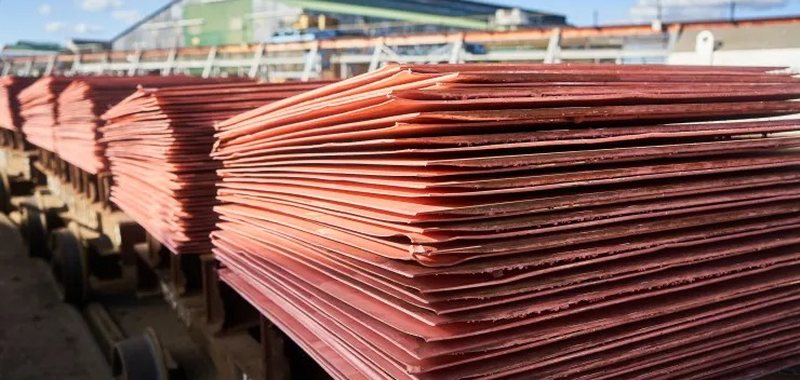
AI drives copper prices "skyrocketing" - High demand for data centers and supply shortages are the reasons
Copper is rapidly approaching $12,000 a ton, driven by expectations of increased demand from data centers supporting artificial intelligence. Another......

Greece, a "magnet" for Americans - Visitors from the US increased by 21% in the October-November period
American tourist demand for Greece is continuing to grow at the end of the year, according to data on passenger traffic from the US at Athens airport. In......
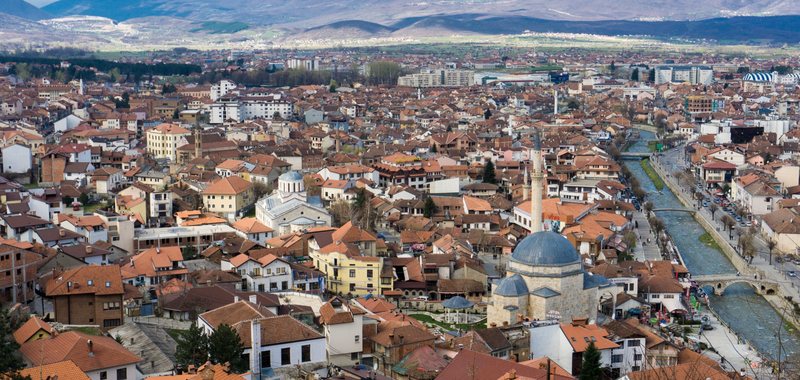
Banks in Kosovo increase service fees - Up to 100%, despite making record profits
Some commercial banks in Kosovo have increased the prices of some of their services for their clients this year. Fees for cash withdrawals at branches, card......

The Thessaloniki-Skopje oil pipeline resumes operations - It had been suspended since 2013
After more than ten years of interruption, the Thessaloniki-Skopje oil pipeline is returning to operation, after in 2013 the Greek company "Hellenic......