Oil recovers, supply risks remain high - Fragile US-Iran ceasefire and Hormuz keep markets tense

Oil prices rose on Thursday as doubts over a fragile two-week ceasefire in the Middle East raised concerns that energy flows through the vital Strait of Hormuz would remain limited.
Brent crude futures rose $1.96 to $96.71, while U.S. crude rose $2.60 to $97.01 a barrel.
Analysts said market participants are reluctant to fully discount geopolitical risk and there is no clarity on what negotiations between the US and Iran would mean for oil flows. “The chances of a meaningful reopening of the Strait of Hormuz in the near future appear slim,” they said, predicting continued volatility in oil prices.
This vital waterway connects supply from Gulf producers such as Iraq, Saudi Arabia, Kuwait and Qatar to global markets from where about 20% of global oil and gas supply is transported.
The implementation of the ceasefire is in question as Israel continues to attack Lebanon, prompting Iran to suggest it would be "unreasonable" to continue talks to reach a permanent peace agreement.
The carriers also said they needed more clarity on the terms of the ceasefire before resuming transit through the Strait of Hormuz. Iran has issued maps to guide ships and has designated safe routes for passage in coordination with the country's Revolutionary Guard, Iranian media reported.
Regional oil facilities also remain under threat, with Iran striking neighboring countries after the ceasefire, including a pipeline in Saudi Arabia that is used to bypass the blocked Strait of Hormuz, according to an oil industry source.
Kuwait, Bahrain and the United Arab Emirates also reported missile and drone attacks. Meanwhile, Goldman Sachs cut its second-quarter forecasts for Brent crude to $90 and for U.S. crude to $87.
“Stronger exports will expand the economy” - World Bank expects the Western Balkans to grow by an average of 3.1% in 2026-27
The economy for six Western Balkan countries is forecast to grow by 3.1% on average in 2026 and 2027, thanks to stronger exports and public investment after......
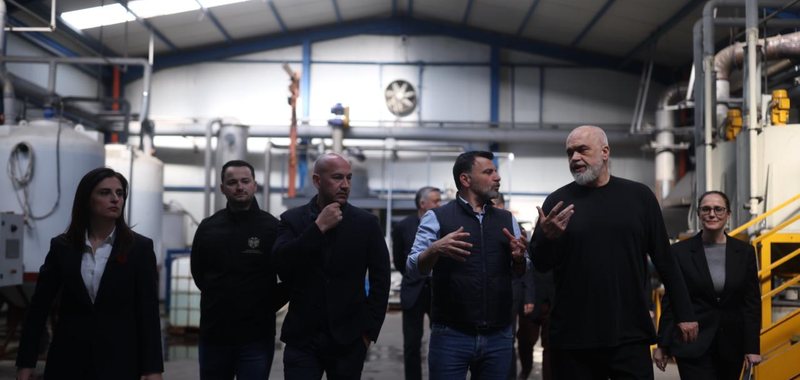
Edi Rama: The new pension scheme enriches the current scheme, here's how it will work
A combined scheme where the state and the private sector will invest additional funds that will join the current pension fund. This is more or less the new......
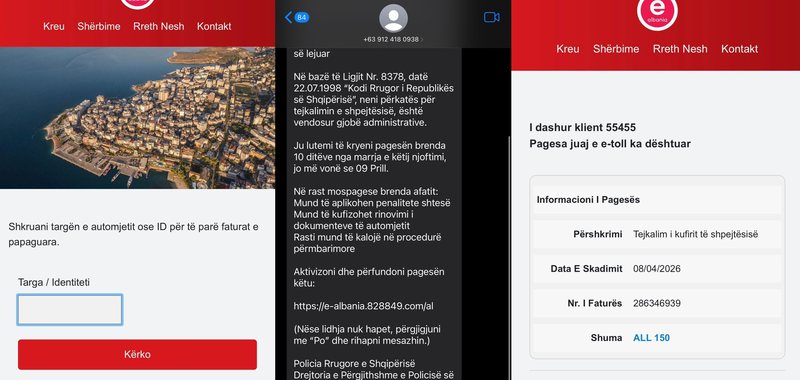
New SMS scam in the name of e-Albania for "driving fines", police appeal to citizens
The State Police informs citizens that a new fraud scheme through SMS messages has been identified, similar to that of the "Albanian Post", for which a......
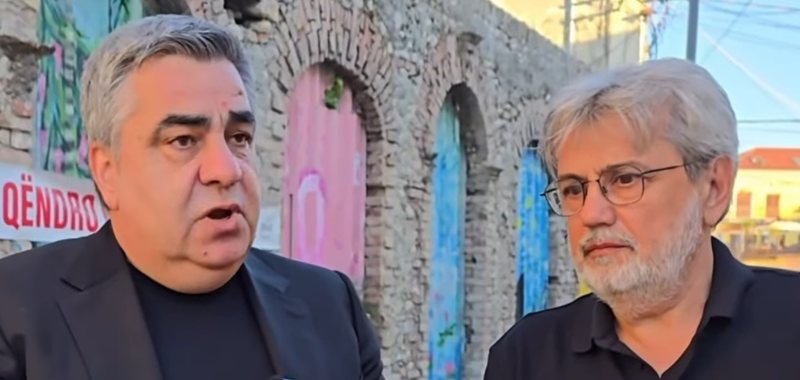
Revitalizing architecture, Gonxhja from Shkodra: Well-structured plan of interventions in historical areas
In Shkodra, work is underway to revitalize historical architectural objects. Minister Blendi Gonxhja announced this on his social networks, writing: "In......
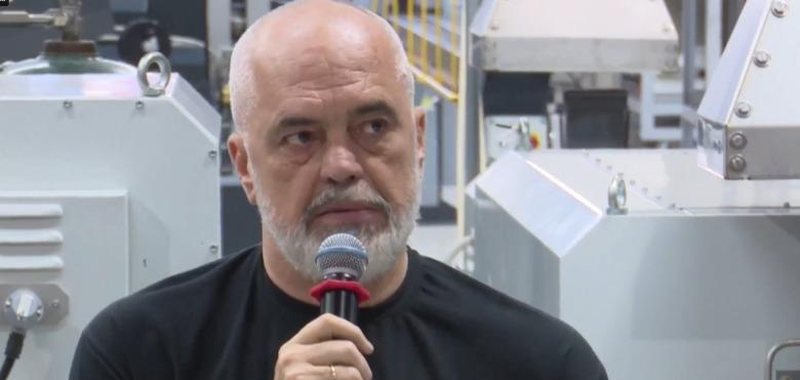
Prime Minister Rama in Durrës: Loan scheme of up to 2 million euros for large enterprises
Prime Minister Edi Rama introduced a new credit scheme for large enterprises. During a visit to an industrial complex in Durrës, Rama said that through the......

Changes in the pension scheme, Rama: Special fund for those who want higher pensions
Prime Minister Edi Rama has warned of interventions in the pension scheme. During his speech at the Socialist Party Assembly in Lezha, he announced that the......

Energy law aligns with EU standards, Karakaçi: Consumer at the center
Reconceptualization of the functioning of the electricity market, placing the consumer at the center. The new law “On the electricity sector”, which has......

Rama in Lezha: Today the economy has reached 27 billion in production, we will reach 35 billion in 2030. It is doable!
The Albanian economy aims to have a gross national product of 35 billion lek in 2030. This objective was mentioned by Prime Minister Rama in a meeting he had......