Cost of war in Iran reaches £2,400 - Analysis for UK households by end of 2027


UK households will have suffered an average financial hit of £2,400 from the war in Iran by the end of 2027, an analysis shows.
The Centre for Economic and Business Research (CEBR) has calculated that the rise in inflation since the start of the conflict and weaker wage growth will reduce the real income of an average UK household by £1,100 in 2026 and by a further £1,300 in 2027.
This amounts to a total of £70.4 billion that will be wiped out of the real disposable income of UK households by the conflict in the Middle East.
The economic shock from the closure of the Strait of Hormuz hits UK households through two channels. “The first is direct: higher energy costs affect bills and the price of almost everything else, so each pound of wages buys less,” the analysis explained. The indirect channel is slower but just as important, passing through monetary policy and the labour market.
Before the Iran war broke out, the Bank of England was expected to cut interest rates this year. Instead, borrowing costs have remained unchanged, with City traders expecting a rate hike by December.
The squeeze on real incomes from higher energy costs and stable interest rates will hit households' purchasing power, hurting economic growth. Energy bills across the UK are set to rise by 4% in October.
Last week, the Energy and Climate Intelligence Unit (ECIU) calculated that the highest wholesale oil and gas prices since the start of the US-Iran war on February 28 will add around £9.8 billion to the UK’s energy and road transport costs. Gas and electricity users face paying an extra £190 million for every week the conflict continues.

Meloni, ready to set a record - On Friday, her government becomes the longest-lasting in Italy's history
Italy's Prime Minister, Giorgia Meloni, is set to reach a historic milestone on Friday (September 4), when her government becomes the longest-serving in the......

Europe, on alert before winter - Natural gas storage facilities are emptying
Europe is facing a new energy problem as winter approaches and natural gas reserves remain at particularly low levels. The war in the Middle East and the......

Still far from the eurozone - ECB report: Not much progress is being made on membership
European Union countries outside the euro have made little or no progress on convergence in recent years and even Hungary, the country most actively......

Iceland says “no” to EU - Referendum rejects reopening of negotiations
Icelanders have voted against reopening talks on the country's membership in the European Union, ending, at least for the time being, the government's......

Public Procurement, 122 complaints in July - PPC reviews them on average for 34 days
122 complaints were registered during the month of July with the Public Procurement Commission. Most of them are related to procurement procedures for goods......

Wheat and corn in a dive, only barley growing - Cereals, near 6-year minimum. We lost an average of 12 thousand tons per year
Grain production in the country has continued to decline in 2025. According to data on the production of field crops, 624 thousand tons of grain were......
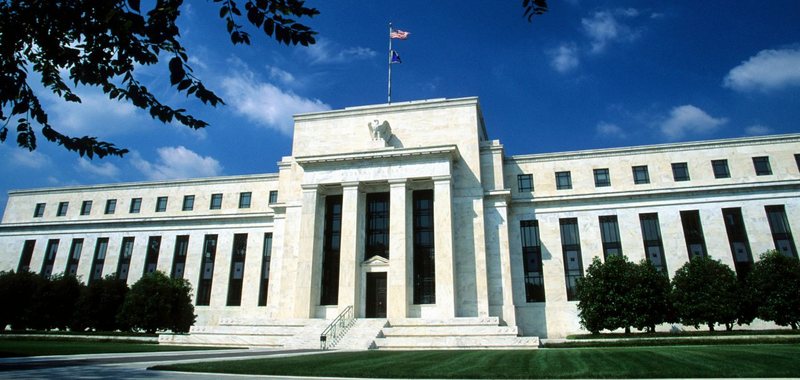
Fed: US inflation "worrying" - The possibility of interest rates remaining unchanged remains open
Federal Reserve Chairman Kevin Warsh said the level of inflation in the US is "disturbing," adding that it is "difficult" to characterize monetary policy as......

Historic US-Venezuela Oil Deal - $100 Billion in Private Investment. Will Generate Over $209 Billion in Revenue
US President Donald Trump announced a deal to take control of part of Venezuela's vast oil reserves. "The United States of America has just entered into a......