"High inflation and slow economic growth" - IMF expected to lower global forecasts due to conflict

War in the Middle East will lead to higher inflation and slower global growth, the head of the International Monetary Fund said, ahead of a new forecast for the world economy planned by the global lender next week.
The war has caused the worst global energy disruption in history, with millions of barrels of oil blocked by Iran’s effective blockade of the Strait of Hormuz, essential for transporting a fifth of the world’s oil and gas. “Even if the conflict is resolved quickly, the IMF is set to lower its growth forecasts and raise its inflation outlook,” said Kristalina Georgieva, the IMF’s managing director.
The IMF is expected to release a range of scenarios in its next World Economic Outlook report on April 14. Without the war, the IMF had expected a slight improvement in its forecast for global growth of 3.3% in 2026 and 3.2% in 2027. “Instead, all paths now lead to higher prices and slower growth,” Georgieva said.
The war has reduced global oil supplies by 13%, she said, affecting oil and gas shipments and related supply chains, such as helium and chemical fertilizers.
“Even a quick end to the conflict and a fairly rapid recovery would result in a “relatively small” downward revision to the growth forecast and an upward revision to the inflation forecast,” Georgieva said. If the war is prolonged, the effect on inflation and growth will be greater.
The war is expected to dominate the spring meetings between the IMF and the World Bank in Washington next week, with finance officials expected to come from around the world.
Poor and vulnerable countries without energy reserves will be hit hardest, Georgieva added, noting that many countries had little or no fiscal space to help their populations cope with price increases caused by the war.
Luxembourg and Ireland, at the top of the EU - They have the highest GDP per capita. At the bottom, Bulgaria and Greece
Gross domestic product (GDP) per capita in purchasing power standards (PPS) is a widely used measure to compare national income levels, as it takes into......

Diaspora Summit, Minister Ferit Hoxha: Three days of cooperation with Albanians from all over the world
“A summit that aims to turn connections into action and vision into concrete opportunities for the future.” This is how the Minister for Europe and Foreign......

Fight against informality and VAT avoidance, taxes launch new project with the United Kingdom
The Albanian Tax Administration has taken a new step towards modernizing the fiscal analysis system, by implementing an advanced methodology for measuring......
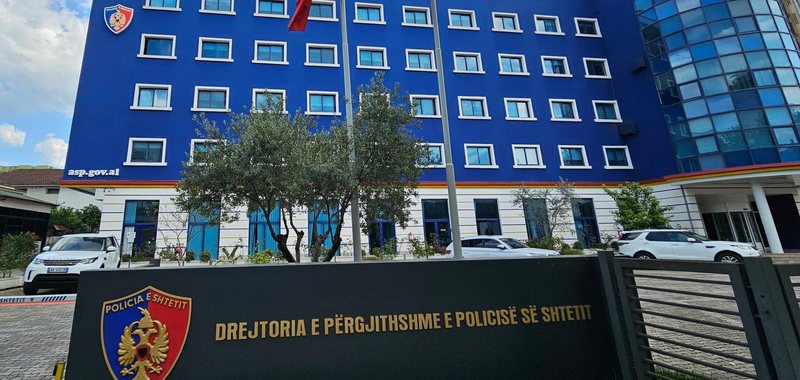
Police: Beware of fraudulent SMS messages on your phone! They are “disguised” as postal services for delivering packages
Citizens should be wary of fraudulent messages coming to their mobile phones. The Cybercrime Investigation Directorate of the State Police informs citizens......

Lufra's digital transformation, for an Albanian industry, with European standards
“To have an Albanian brand that is not only ours, but the entire industry, that we can export to all of Europe.” This is the vision articulated by Lufra CEO......
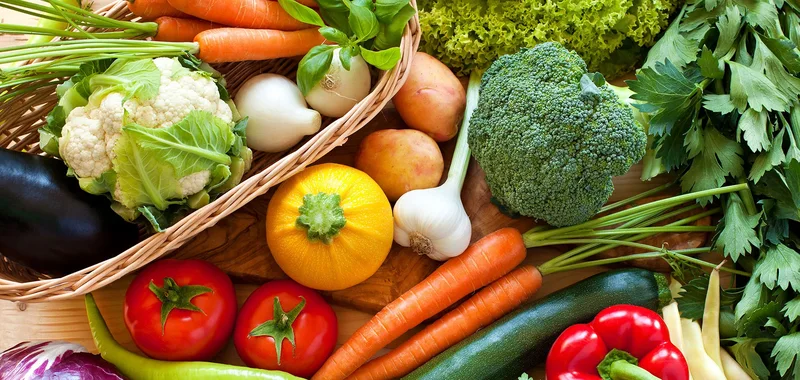
Where does Albania get its vegetables? Germany and Greece are the main suppliers. Imports at record levels in February
Imports of vegetables into Albania continue to remain at high levels, reflecting a sustained dependence on foreign markets for the supply of basic food......
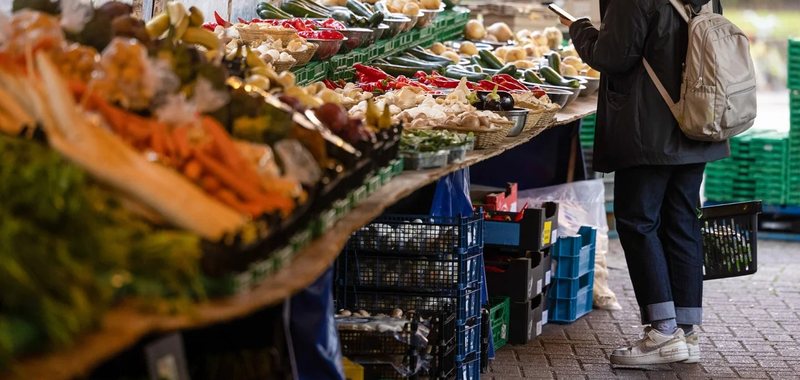
Why did the prices of agricultural products increase? - Traders "blame" oil, but say that domestic production will lower prices
In recent days, there has been a rise in the prices of fruits and vegetables, especially some of them that are considered important on the table of Albanian......
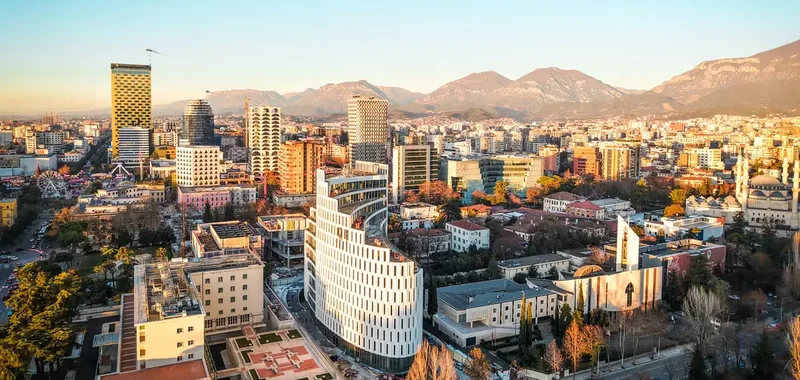
Do foreigners pay more for property in Albania? Investropa: The price can often increase by up to 10%
Foreigners are becoming increasingly present in the real estate market in Albania. According to data from the Bank of Albania and Real Estate, a portion of......