"Global economy to grow by 2.7%" - UN: Impacts, trade tensions, fiscal pressures and growing uncertainties

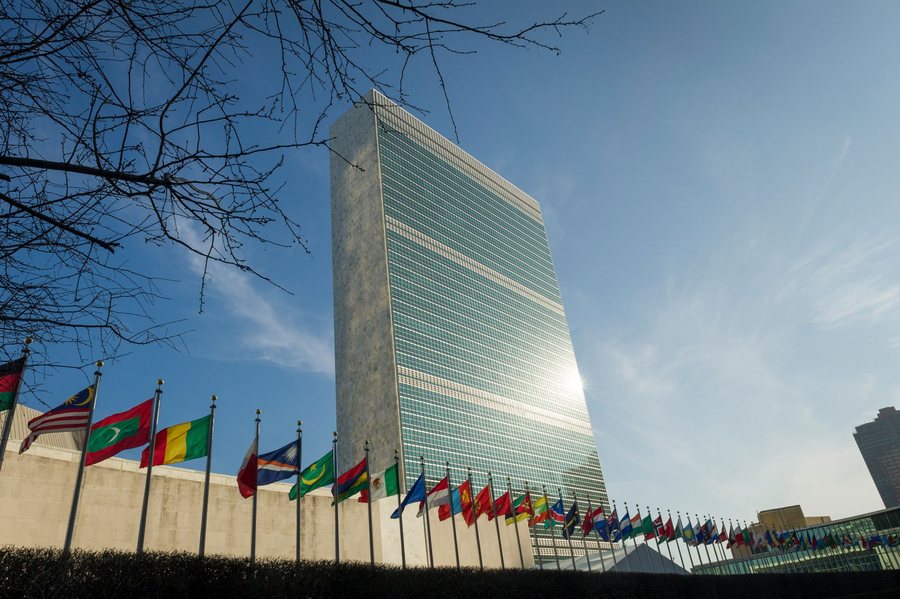
The global economy is forecast to grow by 2.7 percent in 2026, slightly below the 2.8 percent projected for 2025 and well below the pre-pandemic average of 3.2 percent, according to the World Economic Situation and Prospects 2026, published by the United Nations.
The report, compiled by the UN Department of Economic and Social Affairs (DESA), showed that the global economy has shown resilience, but trade tensions, fiscal pressures and rising uncertainties are continuously affecting the medium- and long-term growth outlook.
Assistant Secretary-General for Economic Development Navid Hanif said that, supported by strong consumer spending and easing inflation, the global economy withstood the impact of significant U.S. tariff increases in 2025.
Hanif warned that sluggish investment and reduced fiscal space are weighing on economic activity, raising the possibility that the global economy will embark on a consistently slower growth path than in the pre-pandemic era.
According to the report, economic growth in the United States is forecast to be around 2% in 2026, while in the European Union 1.3%. In Asia, growth is expected to remain stronger than in developed economies, although slightly lower than in previous years. According to the report, China's economy is forecast to grow by 4.6%, supported by targeted policy measures.
The report noted that global trade proved resilient in 2025, expanding at a faster-than-expected 3.8 percent growth rate despite high policy uncertainty and rising tariffs. However, trade is projected to slow to 2.2 percent in 2026.
At the same time, investment growth has remained weak in most regions, weighed down by geopolitical tensions and tight fiscal conditions, according to the report.
The report also highlighted that high prices are still eroding people's real incomes, despite the continued decline in global inflation rates. It forecast that headline inflation would slow further to 3.1 percent in 2026, after falling from 4 percent in 2024 to around 3.4 percent in 2025.
The United Nations called for stronger coordination between monetary, fiscal and industrial policies to stabilize prices, while ensuring social welfare and long-term growth.
Global cooperation, in smaller groups - World Economic Forum: Emerging economies expanded their share of exports
The World Economic Forum says large-scale global cooperation is weakening, as trade, financial and technological ties are shifting towards smaller......

Rainfall situation, Rama gathers 'National Emergencies' tomorrow, Balluku: Structures are working at full capacity
Tomorrow morning, Prime Minister Edi Rama will convene the National Emergency Committee following the situation created by the rainfall across the country.......

Rainfall, Koçiu: Preventive evacuation of residents continues in some areas
Communication with the media of the Minister of Internal Affairs, Albana Koçiu, after the meeting of the Civil Emergency Headquarters in Durrës Region. All......

Rains worsen the situation/ US Embassy appeals for caution in vulnerable areas
The United States Embassy in Tirana has announced that it is closely monitoring the flooding situation throughout Albania, calling on all American citizens......

Balluku goes to the field about the floods: We are maximally engaged
Deputy Prime Minister and Minister of Infrastructure and Energy, Belinda Balluku, went to the field this Thursday, closely inspecting the situation at the......

Bank of Albania "absorbs" 595 million euros from the market - Increases foreign exchange purchases to strengthen foreign exchange reserves and financial stability
During the third quarter of 2025, the Bank of Albania continued to intervene in the domestic foreign exchange market, purchasing euros, with the aim of......
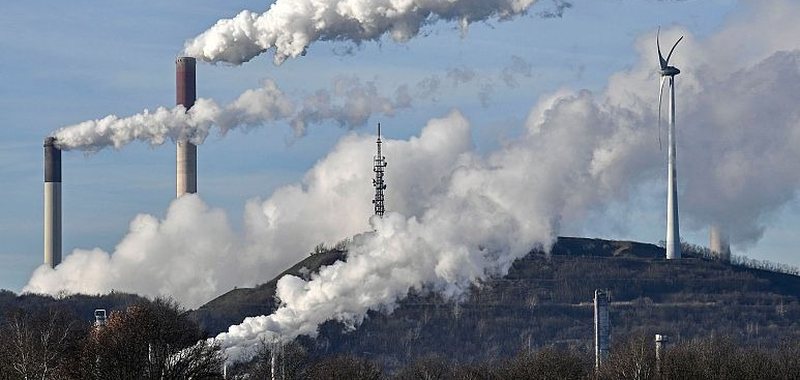
2-fold increase in fines for greenhouse gases - Industrial and transport activities, administrative measures for violators are tightened
Doubling of fines for entities that violate legal obligations on monitoring and reporting greenhouse gases. Everything is foreseen in the new law "On Climate......
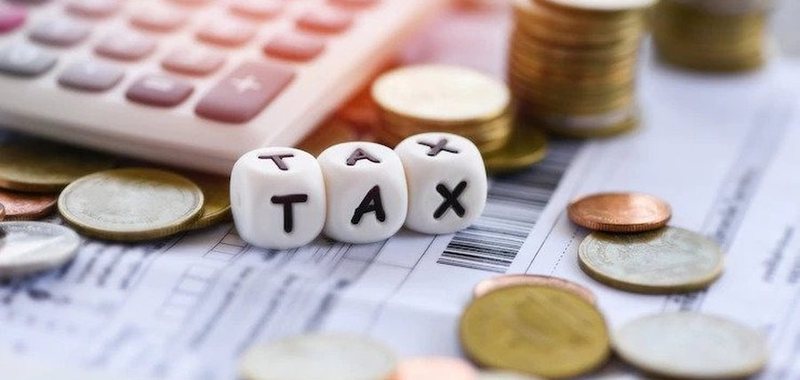
2.5 million properties in the Fiscal Cadastre - The full application of the market value property tax begins in 2028
Around 2.5 million immovable properties of Albanian citizens will gradually begin to be registered in the Fiscal Cadastre, which is already operational, to......