Pse ushqimet në Shqipëri kushtojnë më shtrenjtë? - Analiza/ Arsyet pse zhvlerësimi i euros nuk reflektohet tek çmimet

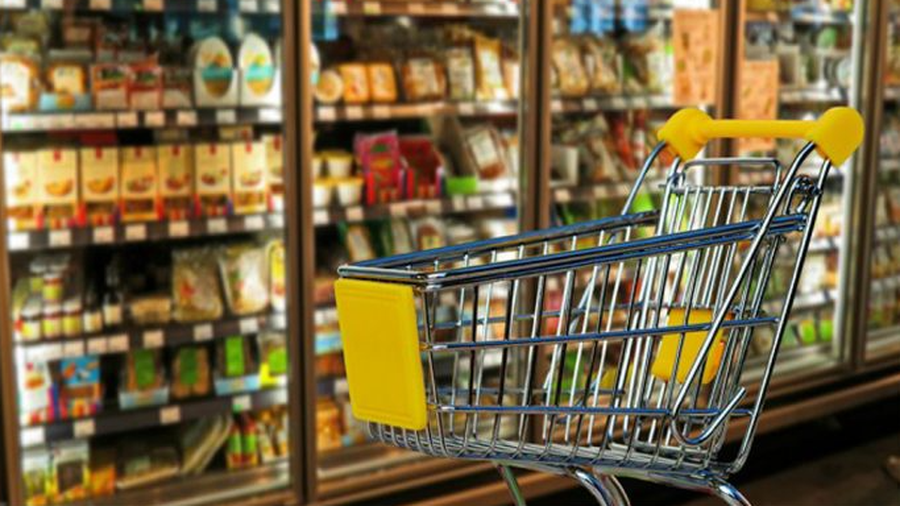
Produktet e importuara në Shqipëri shpesh kushtojnë më shtrenjtë se në vendet e origjinës nga vijnë. Kjo vihet re edhe kur euro zhvlerësohet siç ka ndodhur vitet e fundit, ku sërish çmimet në tregun shqiptar qëndrojnë statike, ndërkohë që në logjikën ekonomike, nëse ato blihen më lirë, do duhet të reflektohet në çmimin final.
Por pse nuk ndihet zhvlerësimi valutave në rënien e çmimeve? Sipas një analize të bërë nga ALTAX, në praktikë, zhvlerësimi i euros shpesh kalon pothuajse i padukshëm në tregun shqiptar. Edhe kur euro/dollari humbet vlerë ndaj lekut, çmimet e produkteve të importuara nuk bien automatikisht. Arsyeja është se çmimi final nuk përbëhet vetëm nga kursi i këmbimit. Importuesit dhe shitësit shtojnë marzhe fitimi, paguajnë transport, sigurim, dogana dhe taksa, dhe shpesh llogarisin edhe një “premium rreziku” për vonesat, inflacionin ose luhatjet politike.
Për më tepër, referuar analizës, struktura e tregut nuk e lejon konsumatorin të përfitojë lehtësisht nga ndryshimet e kursit. Me pak konkurrencë dhe një treg të vogël, çmimet që vendosen në raft reflektojnë më shumë fuqinë oligopoliste sesa luhatjet reale të euros. Si rezultat, edhe pse euro mund të dobësohet dukshëm, efekti i saj shpesh humbet mes kostove shtesë dhe kontrollit të pak aktorëve mbi tregun. Në thelb, zhvlerësimi i euros ndikon më shumë në xhepin e importuesit sesa në çmimin që paguan konsumatori, i cili shpesh mbetet i pandryshuar.
Kur fillon abuzimi real ekonomik për mallrat e importit? Referuar analizës, abuzimi real ekonomik fillon kur vërehet një diferencë e pajustifikueshme midis çmimit të të njëjtit produkt në vendin e origjinës dhe në tregun shqiptar. Një skenar tipik është kur një produkt shitet me çmim me pakicë 1.00 euro në Itali dhe 2.50–3.00 euro në Shqipëri. Në këtë rast, kostoja reale e justifikueshme për tregun shqiptar është rreth 1.50 euro, ndërsa çmimi real në treg arrin rreth 2.80 euro. Diferenca prej rreth 1.30 euro nuk lidhet me transportin, taksat apo TVSH-në, por përfaqëson rente oligopolistike, marzhe abuzive dhe mungesë reale konkurrence.
Një faktor përcaktues në këtë proces është vetë struktura e tregut shqiptar. Shqipëria operon si një treg i vogël, me volume të ulëta blerjeje dhe fuqi të kufizuar negociuese. Importuesit shqiptarë nuk blejnë në sasi masive, por në volume relativisht të vogla, çka i privon nga përfitimet e ekonomive të shkallës që karakterizojnë tregjet e mëdha si Italia apo Gjermania. Për pasojë, edhe çmimi total me të cilin blejnë është strukturalisht më i lartë për njësi.
Kjo do të thotë se edhe kur importuesi shqiptar blen me çmim shumice nga distributori ose fabrika, diferenca në çmim mes vendit të origjinës dhe Shqipërisë nuk zhduket, por vetëm reduktohet. Në kushte normale tregu, vetëm nga transporti, doganat, TVSH-ja dhe marzhet standarde, çmimi përfundimtar në Shqipëri mund të rezultojë rreth 40–60% më i lartë se çmimi në raft në vendin e origjinës. Kjo përbën rritje strukturore legjitime dhe është ekonomikisht e justifikueshme për një ekonomi të vogël importuese.
Problemi real fillon kur kësaj rritjeje strukturore i shtohet struktura oligopolistike e tregut të importit dhe rritja abuzive, që shpesh arrin 120–200%, dhe nuk shpjegohet më nga kostoja reale por nga mungesa e konkurrencës.
Sipas analizës, ulja reale e çmimeve do të ishte e mundur nëse realizoheshin 5 kushte strukturore, të tilla si, hapje reale e tregut të importit; zhvillimi real i konkurrencës në tregjet e brendshme; aplikimi i TVSH së diferencuar për ushqimet bazë; funksionim efektiv i autoritetit të konkurrencës; transparencë publike e çmimeve përmes platformave të krahasimit.
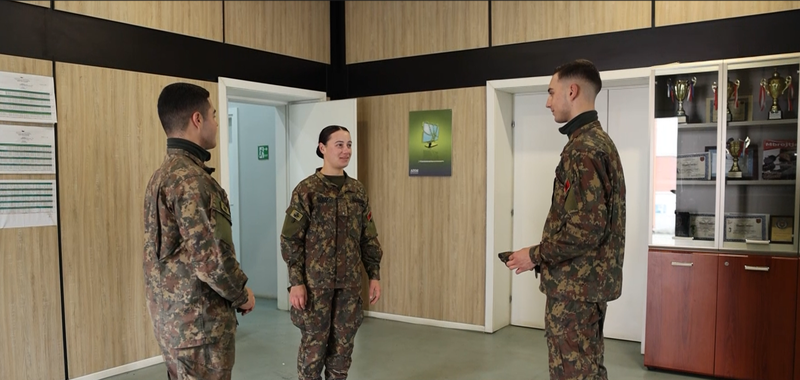
Ushtria, në fokus të të rinjve shqiptarë - Studentët e Akademisë së Forcave të Armatosura tregojnë pse zgjodhën këtë karrierë
Çfarë do të thotë të jesh student i Akademisë së Forcave të Armatosura? Disa janë të parët në familjen e tyre që kanë zgjedhur të bëhen ushtarakë, ndërsa të......
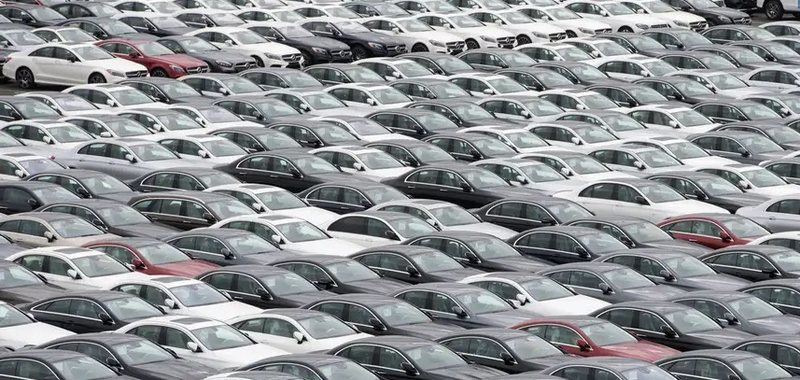
Industria gjermane shkurtoi 120.000 vende pune, në 2026 priten largime të tjera
Kriza ekonomike godet rëndë industrinë gjermane. Si pasojë industria gjermane ka shkurtuar vende pune në shkallë të gjerë vitin e kaluar. Rreth 5.38 milionë......

CEO-t e Goldman e Nasdaq do drejtojnë 'forumin' e kriptove të organizuar nga djemtë e Trump
Të mërkurën, drejtues dhe investitorë të shquar të Wall Street do të mblidhen për të diskutuar "të ardhmen e financave dhe teknologjisë" së bashku me zyrtarë......
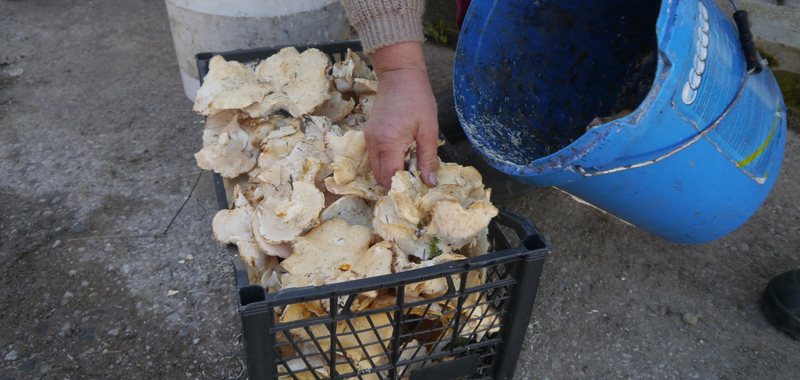
Mbledhja e kërpudhave është biznes i madh në Bosnjë, por shpesh jashtë vëmendjes
Mbledhja e kërpudhave siguron të ardhura për mijëra njerëz në Bosnje dhe Hercegovinë, por pjesa më e madhe e industrisë mbetet në një zonë gri, ku mbledhësit......

Salla: Model i ri bashkëpunimi me gjashtë bashki për mbrojtjen e masiveve me gështenja
Ministri i Bujqësisë dhe Zhvillimit Rural, Andis Salla firmosi sot marrëveshjet e bashkëpunimit me bashkitë Shkodër, Tropojë, Malësi e Madhe, Pukë,......
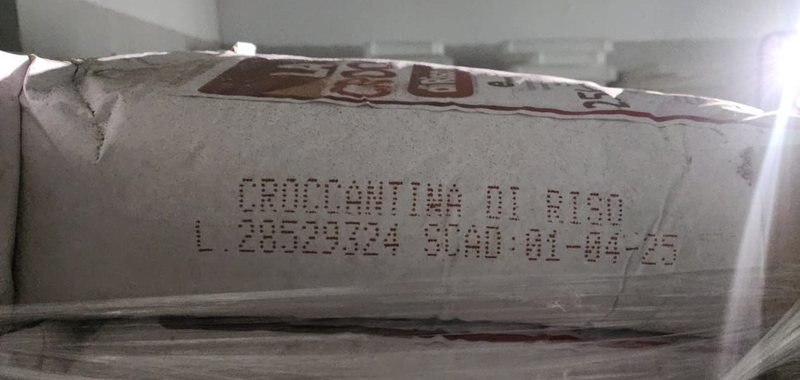
Drejtoria e Përgjithshme e Doganave: Bllokohet mbi 7500 kg miell jashtë afateve të përdorimit!
Dega e Doganës Durrës,njofton se gjatë kontrollit fizik në ambientet e një subjekti tregtar, i pajisur me autorizim për përdorimin e Regjimit të Përpunimit......
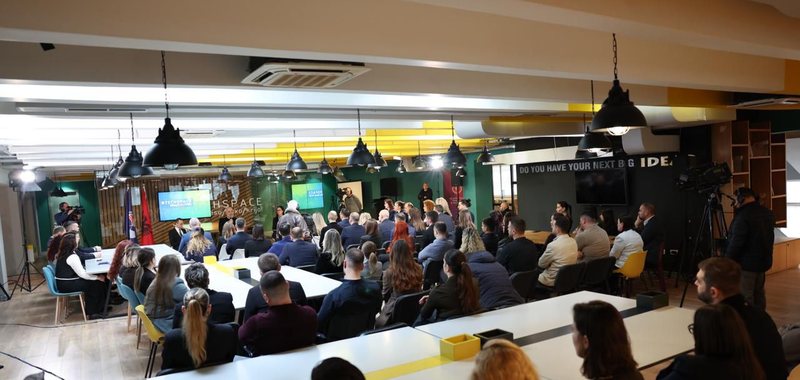
“Diella do të shkojë në një nivel tjetër” - Rama prezanton drejtuesin e ri të AKSHI-t, premton rritje pagash për punonjësit
Kryeministri Edi Rama prezantoi Igli Tafën si drejtuesin e ri të AKSHI-t. Në fjalën e tij, kryeministri vlerësoi punën e ekspertëve që punojnë në Agjencinë......
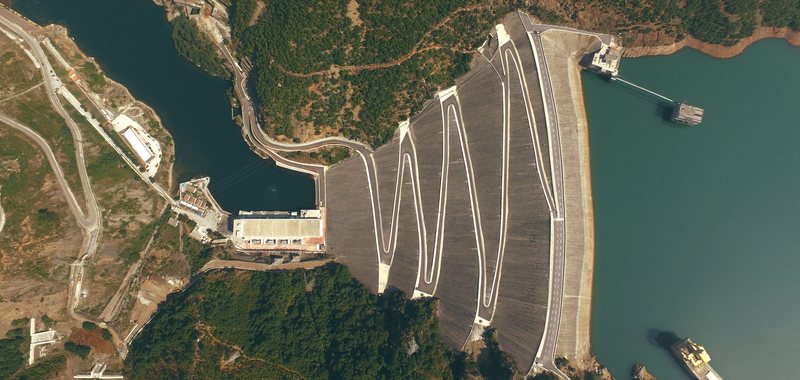
Gjermanët, 40 mln euro kredi për Fierzën - Nevoja për rehabilitim, ndërhyrjet do i zgjatin “jetën” hidrocentralit me 30 vjet
Qeveria do të marrë 40 mln euro kredi për rehabilitimin e hidrocentralit të Fierzës, një nga veprat më të rëndësishme elektroenergjetike në vend. Në Kuvend......