Centrali fotovoltaik 95 MW në Synej-Kavajë kalon në fazë zbatimi - Vendimi i qeverisë publikohet në Fletoren Zyrtare

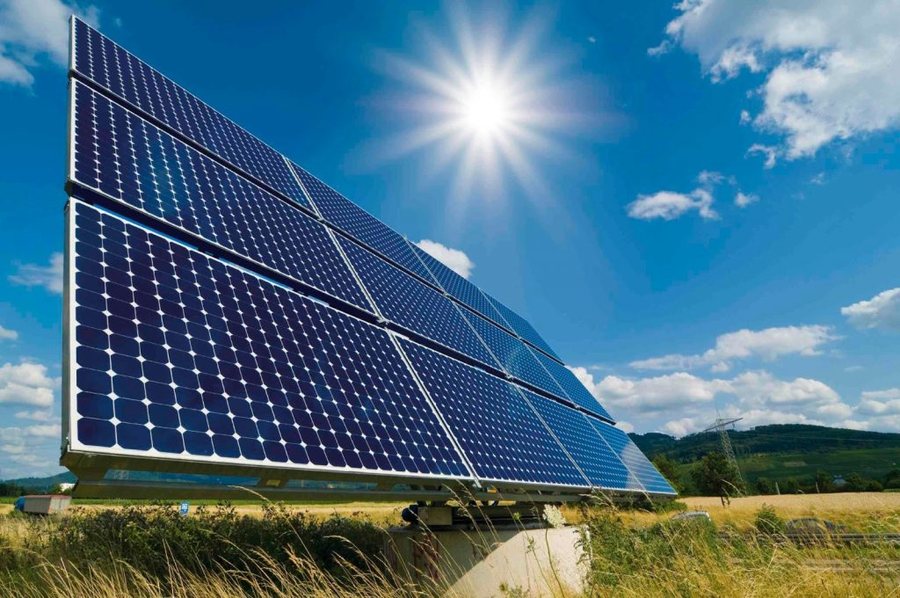
Vendimi i Këshillit të Ministrave për ndërtimin e centralit fotovoltaik në fshatin Rrakull, njësia administrative Synej në Bashkinë Kavajë, është publikuar në Fletoren Zyrtare, duke hyrë në fuqi në mënyrë formale.
Centrali do të ketë një kapacitet të instaluar prej 95 megavatësh. Projekti nuk është objekt koncesioni dhe nuk përfiton nga skema mbështetëse shtetërore. Sipas vendimit, afati për ndërtimin, pajisjen me leje ndërtimi dhe vënien në operim të impiantit është deri në 36 muaj, ndërsa afati i operimit është parashikuar 49 vjet.
Parashikohet që një pjesë e energjisë së prodhuar t’i jepet shtetit në formë ‘royalty’, ndërsa institucionet përgjegjëse do të ushtrojnë mbikëqyrje gjatë gjithë fazës së zbatimit dhe operimit të centralit.
Centrali i Rrakullit renditet ndër projektet më të mëdha fotovoltaike në Shqipëri, duke u afruar me kapacitete si Spitalla dhe Akërnia, që janë projekte rreth 100 megavat, dhe duke u pozicionuar menjëherë pas parkut diellor të Karavastasë me 140 megavat. Me këtë projekt, kapaciteti i instaluar fotovoltaik shënon një rritje domethënëse të peshës së energjisë diellore në sistemin kombëtar.
Në terma praktikë, një central fotovoltaik prej 95 megavatësh është në gjendje të prodhojë mesatarisht 140–160 gigavat-orë energji elektrike në vit, në varësi të kushteve klimaterike. Kjo sasi është e barabartë me konsumin vjetor të rreth 45–50 mijë familjeve, duke e bërë projektin jo thjesht lokal, por me ndikim të drejtpërdrejtë në bilancin energjetik kombëtar.
Zgjerimi i kapaciteteve fotovoltaike është pjesë e strategjisë për të diversifikuar burimet e prodhimit të energjisë, në një vend ku prodhimi historikisht ka qenë i varur nga hidrocentralet dhe kushtet hidrike. Energjia diellore, së bashku me projektet e erës, po shërben gjithnjë e më shumë si amortizator ndaj viteve me reshje të pakta dhe luhatjeve të prodhimit hidroenergjetik.

Shqipëri vs BE, ku goditi më fort inflacioni? Argëtimi “shpërthen” tek ne, ushqimi dhe arsimi shtrenjtohen më shumë në BE
Të dhënat e ndryshimi vjetor të matur nga Indeksi i Harmonizuar i Çmimeve të Konsumi për vitin 2025 tregojnë se struktura e shtrenjtimit ka qenë dukshëm e......
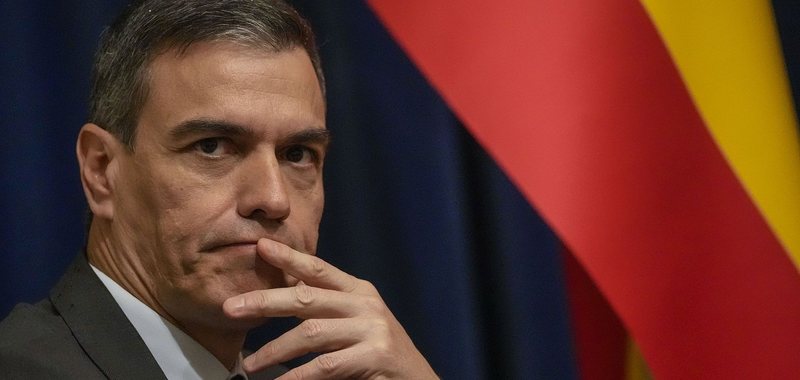
Spanja do të ndalojë rrjetet sociale për fëmijët nën 16 vjeç - Kryeministri Sanchez: Do t'i mbrojmë nga “Perëndimi i Egër” digjital
Spanja do të ndalojë aksesin në mediat sociale për të miturit nën 16 vjeç dhe platformat do të jenë të detyruara të zbatojnë sisteme të verifikimit të......
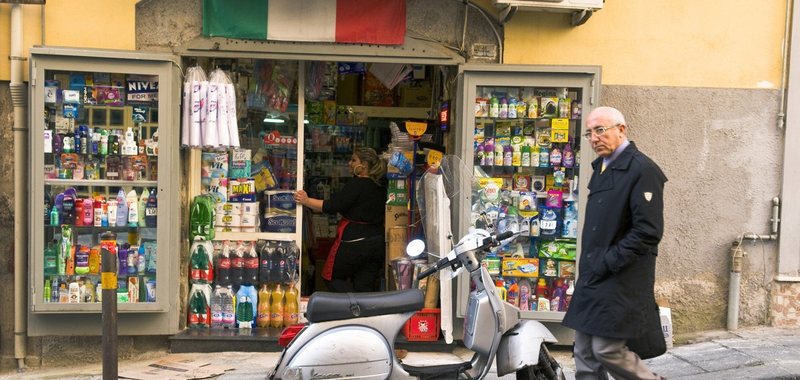
Italia po “thërret” pensionistët e saj mbrapsht - Shqipëria rrezikon të humbasë nga plani i Romës për taksim 4%
Italia synon të tërheqë mbi 310 mijë pensionistë që sot marrin pension jashtë vendit, me pagesa që arrijnë në rreth 1.6 miliardë euro në vit. Qëllimi i Romës......
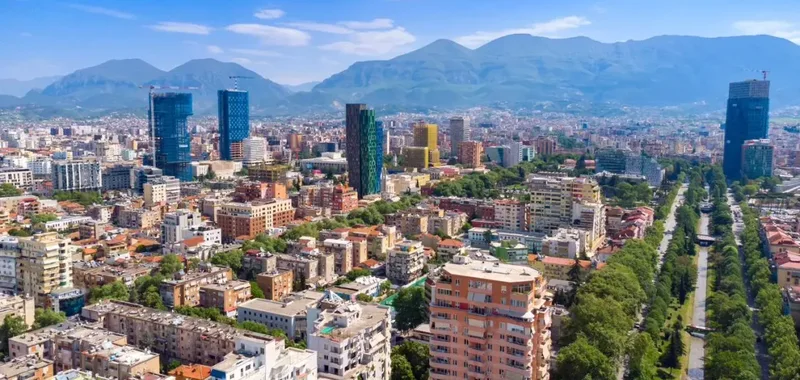
Pasuritë e Paluajtshme/ Shqipëria fiton terren në renditjen ndërkombëtare- Përmirëson pozicionin në Indeksin e të Drejtave të Pronës
Shqipëria renditet e 71-ta nga 126 vende në botë për vitin 2025 në Indeksin Ndërkombëtar të të Drejtave të Pronës (IPRI), duke shënuar një përmirësim......

A do paguhet tarifa e tërmetit për shtëpitë që janë me kredi? - Kategoritë që do të përjashtohen nga detyrimi për kontratë me Fondin
Ligji për sigurimin e detyrueshëm të banesave përjashton disa kategori nga detyrimi për të lidhur kontratë me Fondin Kombëtar të Sigurimit të Detyrueshëm......

6 mijë oferta punësimi në të gjithë vendin - AKPA: Mundësi për të gjitha nivelet arsimore
Agjencia Kombëtare e Punësimit dhe Aftësive bën të ditur se në portalin zyrtar të punësimit puna.gov.al janë shpallur 6 mijë vende të lira pune, duke krijuar......

Musk krijon gjigantin privat më të fuqishëm në historinë e botës - Vlera 1 250 mld dollarë. Bashkon Tokën, hapësirën dhe AI
Elon Musk ka ndërmarrë lëvizjen më radikale të karrierës së tij duke bashkuar SpaceX dhe xAI në një marrëveshje rekord, që krijon një kolos privat me vlerë......
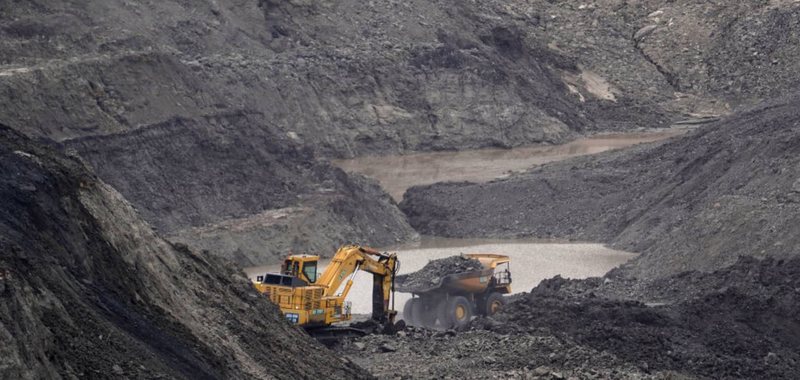
SHBA krijojnë rezervën e mineraleve kritike - 12 miliardë dollarë për t’u përballur me dominimin e Kinës
Presidenti amerikan Donald Trump ka njoftuar krijimin e një rezerve për mineralet kritike me vlerë gati 12 miliardë dollarë, që mund të kundërshtojë aftësinë......