Si do të ndikojë konflikti në tregjet evropiane të energjisë? - Politikëbërësit duhet të planifikojnë një bllokim të gjatë në Lindjen e Mesme

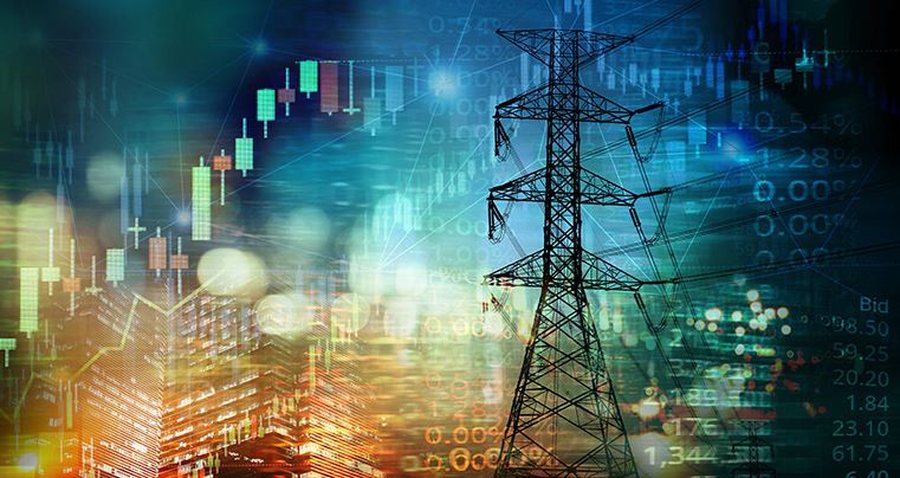
Sulmet kundër Iranit nga Shtetet e Bashkuara dhe Izraeli kanë rihapur çështjen më të rëndësishme të sigurisë energjetike në ekonominë globale, ndërprerjen e rrjedhave të naftës dhe gazit në Lindjen e Mesme që kalojnë nëpër pikën më të rëndësishme të transportit energjetik në botë, Ngushticën e Hormuzit.
Në rrezik janë rreth 20 milionë fuçi në ditë naftë dhe produkte nafte, afërsisht një e pesta e konsumit global, plus të gjitha eksportet e gazit natyror të lëngshëm (LNG) nga Katari dhe Emiratet e Bashkuara Arabe, ekuivalente me rreth 20% të tregtisë globale të LNG-së.
Një konflikt i shkurtër do të injektonte një prim rreziku gjeopolitik në tregjet e naftës dhe gazit. Një ndërprerje e zgjatur - ndoshta disa javësh - do të fillonte të gërryente inventarët, të kufizonte logjistikën dhe të shtrëngonte balancat globale të naftës dhe gazit, me efekte shumë më të mëdha në çmime.
Evropa është shumë më pak e varur nga nafta dhe LNG-ja e Gjirit sesa Kina, India, Japonia apo Koreja e Jugut, por nuk është e izoluar. Nafta dhe LNG-ja janë tregje globale: çdo bllokim i Ngushticës së Hormuzit mund të shkaktojë rritje të menjëhershme të çmimeve që do ta godisnin Evropën pavarësisht nga importet e saj të kufizuara fizike.
Dobësia më e theksuar e Evropës është LNG-ja. Nëse rrjedhat e LNG-së përmes Ngushticës së Hormuzit kufizohen, disponueshmëria globale e gazit në treg zvogëlohet menjëherë. Evropa do të detyrohej më pas të konkurronte me blerësit aziatikë për ngarkesa fleksibile në tregun në treg - diçka që u pa gjatë krizës energjitike 2021-2023.
Kjo do të rriste çmimet e gazit në Evropë, veçanërisht sepse Evropa e filloi vitin 2026 me nivele shumë më të ulëta të magazinimit të gazit sesa vitet e fundit: 46 miliardë metra kub (bcm) në fund të shkurtit 2026, krahasuar me 60 bcm në vitin 2025 dhe 77 bcm në vitin 2024.
Operacionet e rimbushjes së magazinimit mund të ndërpriten, duke ushtruar presion mbi kostot e energjisë industriale në Evropë. Çmimet më të larta të gazit ndikojnë në çmimet e energjisë dhe në marzhet industriale, veçanërisht për sektorët me konsum intensiv të gazit.
Nëse çmimet e naftës dhe gazit rriten paralelisht, zëvendësimi do të jetë më i vështirë, duke shkaktuar potencialisht një kërkesë të re për qymyr dhe presion për kursime nga ana e kërkesës. Arritja e qëllimit të Evropës për uljen e kostove të energjisë industriale - një çështje në thelb të shqetësimeve të liderëve të BE-së për konkurrueshmërinë - mund të bëhet më e ndërlikuar.
Nëse nuk e kanë bërë ende, politikëbërësit evropianë duhet të përgatisin plane emergjence në rast të një ngërçi të zgjatur në Lindjen e Mesme.
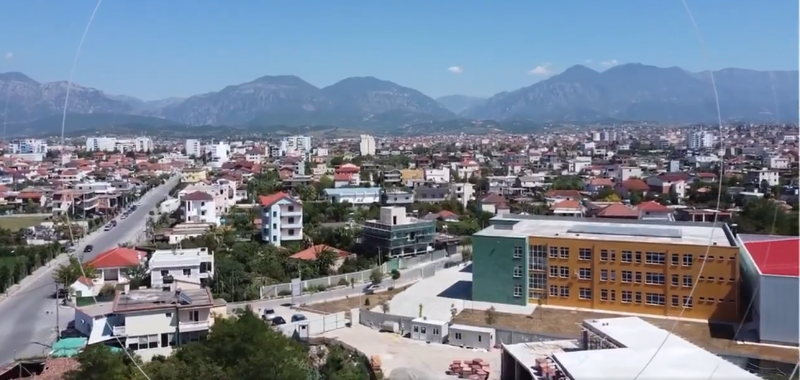
Studimi/ Kamza, “hotspot”-i energjetik i Shqipërisë - Densiteti i kërkesës për ngrohje është rreth 4 herë më i lartë se në Tiranë
Kur flitet për energjinë në Shqipëri, vëmendja zakonisht përqendrohet te Tirana si qendra më e madhe urbane e vendit. Megjithatë, sipas raportit të fundit të......
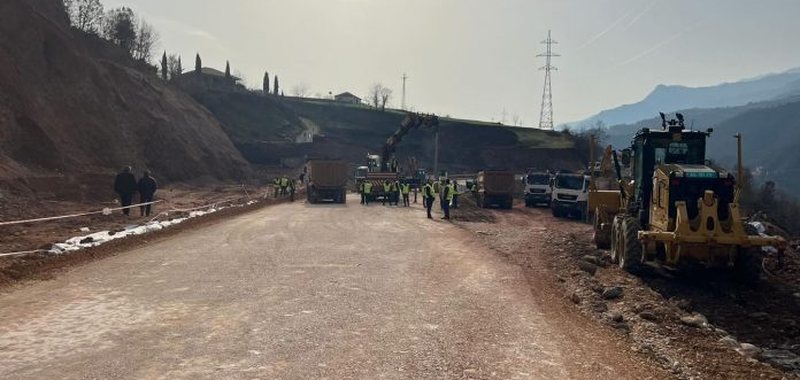
ARRSH: Hapet për të gjitha mjetet kalimi në aksin Librazhd-Përrenjas
Autoriteti Rrugor Shqiptar bën të ditur se duke nisur nga mesdita e sotme, ora 12:00, rikthehet qarkullimi për të gjitha mjetet në aksin Librazhd-Përrenjas,......
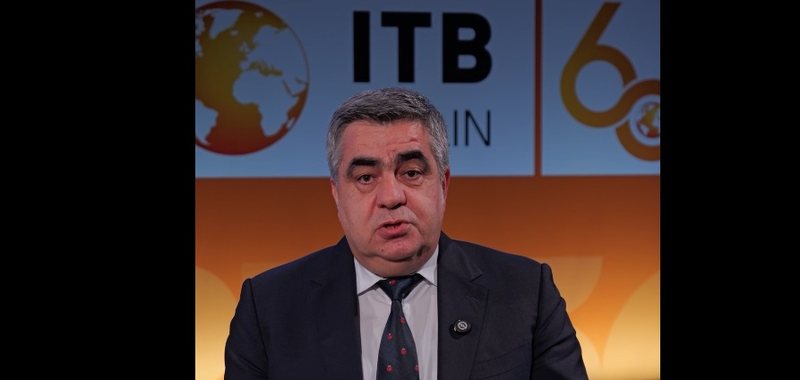
Shqipëria në Panairin e Turizmit në Berlin, Gonxhja pjesë e Ministerialit të UN Tourism
Edhe këtë vit Shqipëria do të jetë pjesë e Panairit të Turizmit ITB Berlin. Në prag të hapjes së tij, Ministri I Turizmit, Blendi Gonxhja mori pjesë në......
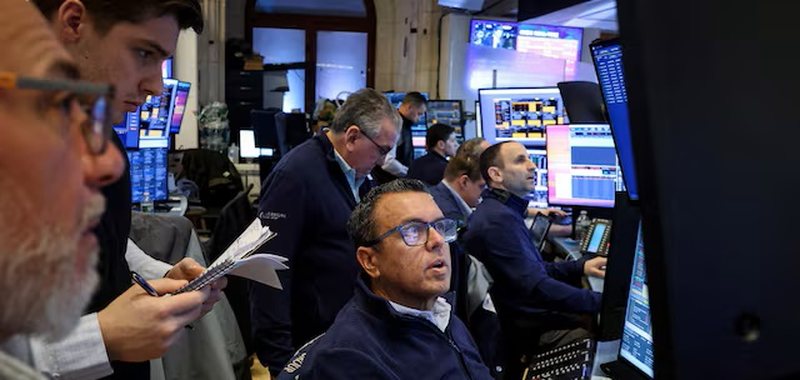
Analiza e Reuters: Nga rritjet e çmimeve të naftës te luhatjet e aksioneve: Si po i nxit tregjet konflikti i Lindjes së Mesme
Një konflikt në rritje në Lindjen e Mesme tronditi tregjet globale të hënën, ndërsa perspektiva e një lufte të gjatë rriti çmimet e energjisë dhe goditi......

BE plan për të zgjeruar rregulloret e roaming-ut, përfshihet edhe Ballkani Perendimor
Komisioni Evropian parashikon që udhëtarët nga BE-ja duhet të përfitojnë gjithashtu nga tarifa më të favorshme të roaming-ut celular në Ballkanin Perëndimor.......
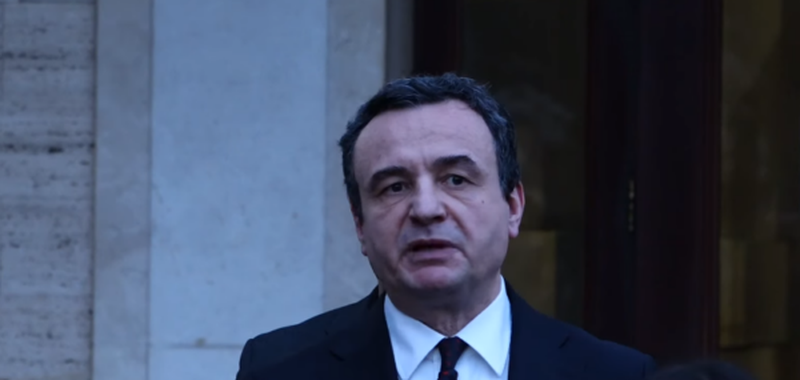
Zgjedhja e Presidentit të Kosovës, Albin Kurti: Do flasim për emra konkretë, s’ka nevojë të shkojmë në zgjedhje
Kryeministri Albin Kurti parlajmëroi se do të bëjë “përpjekje” edhe sonte dhe nesër për ta zgjidhur çështjen e Presidentit. “Na lejoni që të përpiqemi edhe......
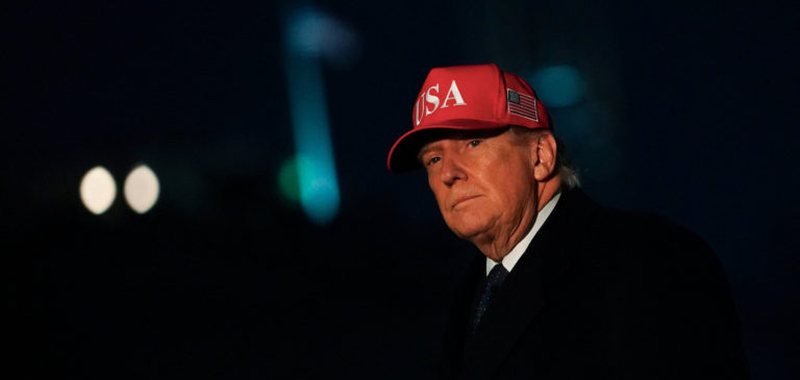
Presidenti Trump flet për sulmet në Iran: Lufta mund të zgjasë përtej parashikimeve
Presidenti i SHBA-së, Donald Trump, në deklaratat e tij të para publike drejtpërdrejt për luftën e SHBA-së në Iran, dha pak të dhëna mbi synimet e tij......
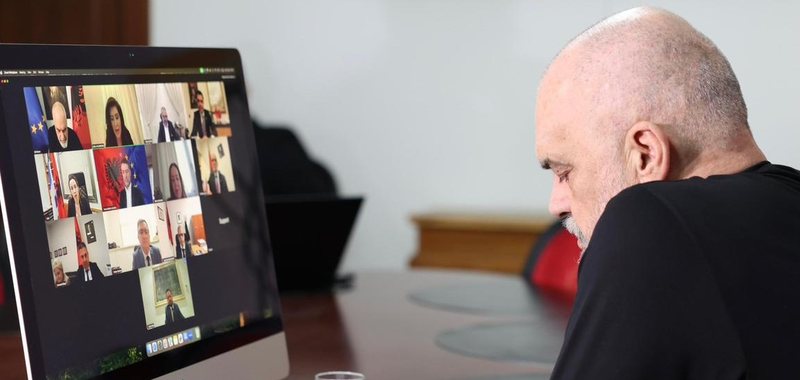
Konflikti në Lindjen e Mesme, kryeministri Rama komunikim me ambasadorët e Shqipërisë në vendet e prekura
Në vijim të përshkallëzimit të situatës së sigurisë në Lindjen e Mesme, Kryeministri Rama zhvilloi një komunikim me ambasadorët e Republikës së Shqipërisë......