Studimi/ Kamza, “hotspot”-i energjetik i Shqipërisë - Densiteti i kërkesës për ngrohje është rreth 4 herë më i lartë se në Tiranë

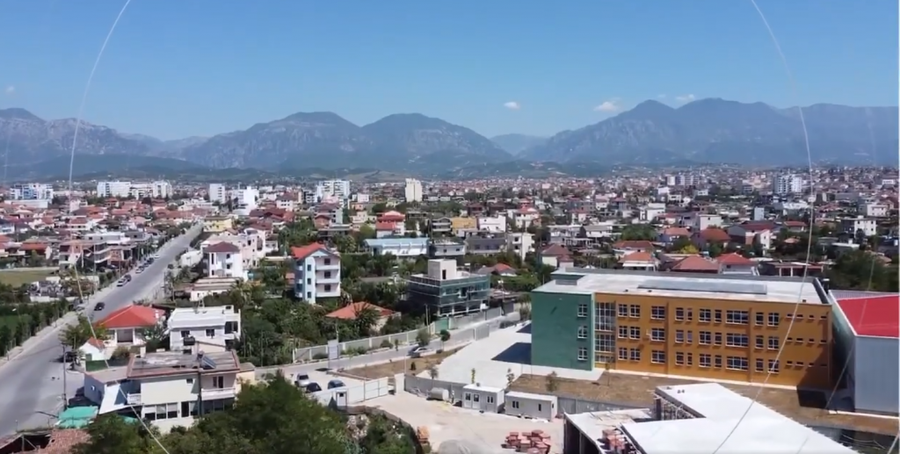
Kur flitet për energjinë në Shqipëri, vëmendja zakonisht përqendrohet te Tirana si qendra më e madhe urbane e vendit. Megjithatë, sipas raportit të fundit të Komunitetit të Energjisë që analizojë potencialin e Shqipërisë për ngrohje dhe ftohje më efikase, në përputhje me Direktivën e re të BE për Eficiencën e Energjisë, zona që rezulton me densitetin më të lartë të kërkesës për ngrohje nuk është kryeqyteti, por Kamza.
Raporti tregon se densiteti i energjisë për ngrohje në Kamëz arrin në rreth 2436 kËh për metër katror në vit, ndërsa në Tiranë kjo shifër është rreth 546 kËh për metër katror në vit. Kjo do të thotë se përqendrimi i kërkesës për ngrohje në territorin e Kamzës është afërsisht katër herë më i lartë se në Tiranë.
Diferenca bëhet edhe më e dukshme kur krahasohet me mesataren kombëtare, e cila sipas raportit është rreth 290 kWh për metër katror në vit. Pra, Kamza ka një densitet energjetik që është disa herë mbi mesataren e vendit dhe ndjeshëm më i lartë se shumica e qyteteve të tjera.
Arsyeja kryesore nuk lidhet me faktin se familjet në Kamëz konsumojnë më shumë energji individualisht, por me përqendrimin e madh të ndërtesave në një territor relativisht të vogël. Kamza ka një sipërfaqe administrative të kufizuar, por një densitet të lartë ndërtimi dhe popullsie. Kjo do të thotë se shumë banesa kërkojnë energji për ngrohje dhe ftohje brenda një hapësire të vogël gjeografike.
Në praktikë, kjo krijon një pikë me kërkesë shumë të përqendruar për energji, sidomos gjatë dimrit, kur një numër i madh familjesh përdorin njëkohësisht ngrohëset elektrike, kondicionerët apo pajisje të tjera individuale. Raporti thekson se në Shqipëri nuk ekziston aktualisht asnjë sistem i ngrohjes qendrore apo district heating, çka do të thotë se çdo familje e zgjidh vetë nevojën për ngrohje
Në Tiranë, edhe pse numri i banorëve është shumë më i madh, territori është më i gjerë dhe kërkesa shpërndahet në një hapësirë më të madhe. Në qytete të tjera si Shkodra apo Korça, sipas hartave të raportit, densiteti i kërkesës për energji është ndjeshëm më i ulët se në Kamëz, pikërisht për shkak të shtrirjes më të madhe territoriale dhe përqendrimit më të ulët të ndërtesave.
Përveç ngrohjes, Kamza rezulton me vlera të larta edhe për ftohjen dhe për ujin e ngrohtë sanitar, duke e kthyer këtë bashki në atë që ekspertët e quajnë një “hotspot energjetik”, pra një zonë ku kërkesa për energji është jashtëzakonisht e përqendruar.
Ky përqendrim i lartë nuk është domosdoshmërisht problem në vetvete, por kërkon planifikim të kujdesshëm energjetik. Në shumë vende europiane, zona me densitet të lartë energjie konsiderohen si kandidatë të përshtatshëm për sisteme të ngrohjes qendrore, pasi përqendrimi i lartë e bën ekonomikisht më të leverdishëm investimin në infrastrukturë të përbashkët.
Raporti nënvizon se kërkesa për energji për ngrohje dhe ftohje pritet të rritet deri në vitin 2050, çka do të thotë se zonat me densitet të lartë si Kamza mund të përballen me presion edhe më të madh në të ardhmen
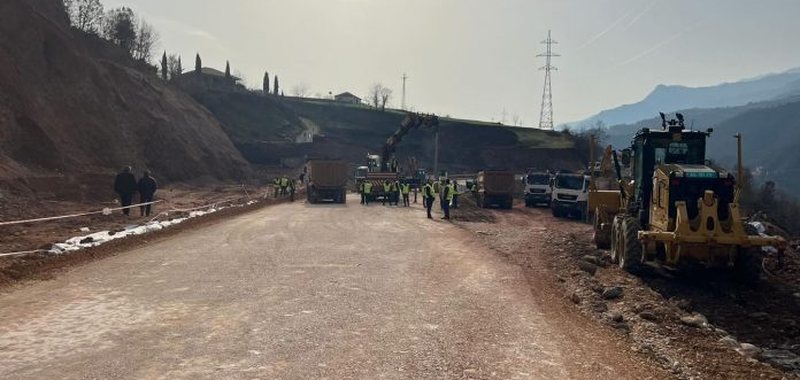
ARRSH: Hapet për të gjitha mjetet kalimi në aksin Librazhd-Përrenjas
Autoriteti Rrugor Shqiptar bën të ditur se duke nisur nga mesdita e sotme, ora 12:00, rikthehet qarkullimi për të gjitha mjetet në aksin Librazhd-Përrenjas,......
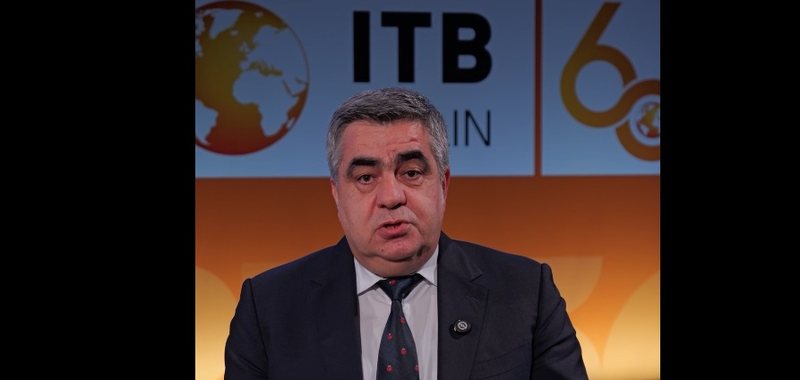
Shqipëria në Panairin e Turizmit në Berlin, Gonxhja pjesë e Ministerialit të UN Tourism
Edhe këtë vit Shqipëria do të jetë pjesë e Panairit të Turizmit ITB Berlin. Në prag të hapjes së tij, Ministri I Turizmit, Blendi Gonxhja mori pjesë në......

Analiza e Reuters: Nga rritjet e çmimeve të naftës te luhatjet e aksioneve: Si po i nxit tregjet konflikti i Lindjes së Mesme
Një konflikt në rritje në Lindjen e Mesme tronditi tregjet globale të hënën, ndërsa perspektiva e një lufte të gjatë rriti çmimet e energjisë dhe goditi......

BE plan për të zgjeruar rregulloret e roaming-ut, përfshihet edhe Ballkani Perendimor
Komisioni Evropian parashikon që udhëtarët nga BE-ja duhet të përfitojnë gjithashtu nga tarifa më të favorshme të roaming-ut celular në Ballkanin Perëndimor.......
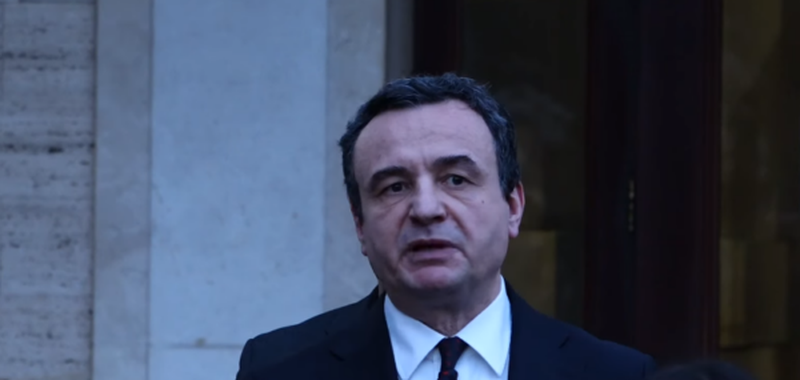
Zgjedhja e Presidentit të Kosovës, Albin Kurti: Do flasim për emra konkretë, s’ka nevojë të shkojmë në zgjedhje
Kryeministri Albin Kurti parlajmëroi se do të bëjë “përpjekje” edhe sonte dhe nesër për ta zgjidhur çështjen e Presidentit. “Na lejoni që të përpiqemi edhe......
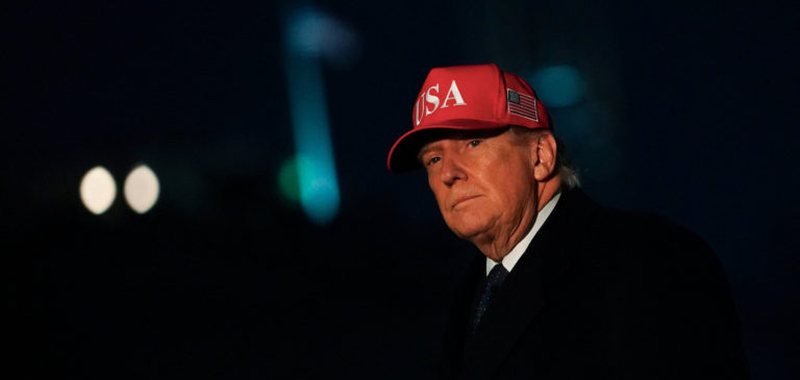
Presidenti Trump flet për sulmet në Iran: Lufta mund të zgjasë përtej parashikimeve
Presidenti i SHBA-së, Donald Trump, në deklaratat e tij të para publike drejtpërdrejt për luftën e SHBA-së në Iran, dha pak të dhëna mbi synimet e tij......
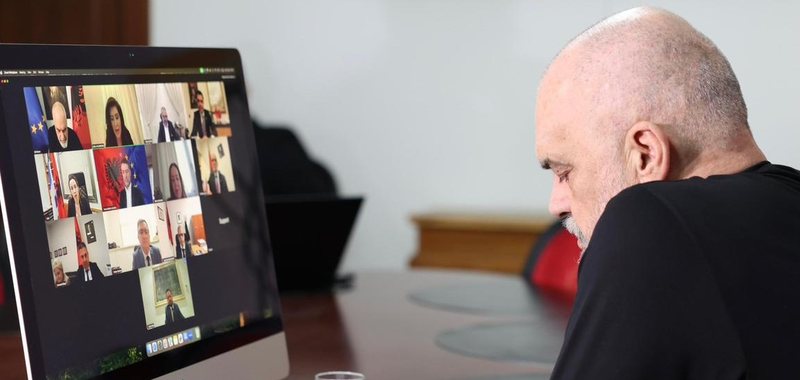
Konflikti në Lindjen e Mesme, kryeministri Rama komunikim me ambasadorët e Shqipërisë në vendet e prekura
Në vijim të përshkallëzimit të situatës së sigurisë në Lindjen e Mesme, Kryeministri Rama zhvilloi një komunikim me ambasadorët e Republikës së Shqipërisë......

Ankandi i obligacioneve 20-vjeçare, kërkesa 2.6 herë më e lartë
Ministria e Financave zhvilloi sot ankandin e obligacioneve 20-vjeçare, ku kërkesa nga tregu rezultoi 2.6 herë më e lartë se shuma e shpallur për......