Cilat vende ofrojnë makinat më të shtrenjta? - Çmimet e automjeteve në Evropë. Kryeson Turqia

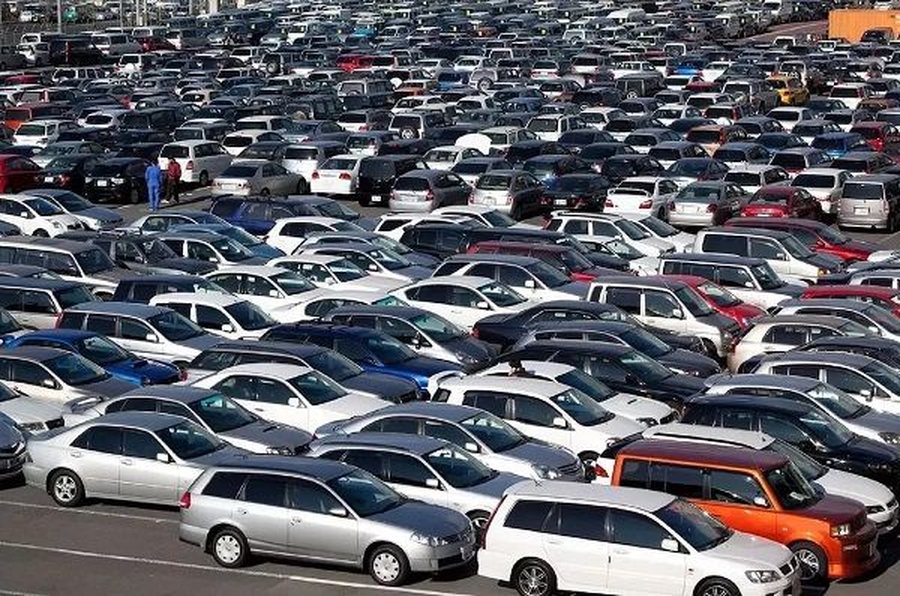
Krahasimi i çmimeve të makinave në të gjithë Evropën është një sfidë komplekse. Indeksi i nivelit të çmimeve për “pajisjet e transportit personal”, i publikuar nga Eurostat, është një mënyrë për të parë ndryshimet mes shteteve. Të dhënat përfshijnë makina, motoçikleta dhe biçikleta, duke përjashtuar mirëmbajtjen, riparimet, pjesët rezervë dhe karburantin. Indeksi përdor €100 si mesataren e BE-së, për të treguar se si ndryshojnë çmimet nga kjo bazë në vende të ndryshme.
Turqia është dukshëm vendi më i shtrenjtë për makina dhe automjete të tjera personale ndër 36 shtetet evropiane. Çmimet janë 36.4% më të larta se mesatarja e BE-së, që do të thotë se një automjet që kushton €100 në BE do të kushtonte €136.40 në Turqi. Edhe pse mbetet në krye të listës, çmimet kanë pësuar rënie, pasi kjo shifër ishte €147.10 në vitin 2021.
Danimarka është vendi më i shtrenjtë brenda Bashkimit Evropian, me kosto 19.1% më të larta se mesatarja e bllokut. “Tatimi i drejtpërdrejtë mbi makinat ndryshon ndjeshëm brenda BE-së. Danimarka është një rast i veçantë me taksa të larta. Kjo shpjegon indeksin e lartë të çmimeve,” shpjegojnë analistët.
Po ashtu, Islanda (18.1%), Holanda (14.3%), Irlanda (10.3%) dhe Zvicra (10.2%) janë ndër shtetet e tjera ku çmimet e makinave janë të paktën 10% më të larta se mesatarja e BE-së. Pas tyre, në vendin e shtatë renditet Shqipëria, me 5.9% mbi mesataren e bllokut.
Në të kundërt, shtetet më të lira për mjetet e transportit personal janë Maqedonia e Veriut dhe Sllovakia. Me kufirin mesatar të vendosur në €100, të njëjtat automjete kushtojnë €87.70 në Maqedoninë e Veriut dhe €88.60 në Sllovaki. Kjo do të thotë se çmimet e makinave janë përkatësisht 12.3% dhe 11.4% më të lira.
Po ashtu, Sllovenia, Qipro, Republika Çeke, Norvegjia, Letonia, Mali i Zi dhe Polonia kanë çmime të paktën 7% më të ulëta se niveli i përgjithshëm i Bashkimit Evropian. Ndër katër ekonomitë më të mëdha të BE-së, Spanja është shteti më i lirë për makina, 3.8% më poshtë mesatares. Ndërsa Gjermania, Franca dhe Italia ndodhen shumë afër pragut të referencës së bllokut.

Ndërtimi i hekurudhës Vorë-Hani i Hotit - 16 kompani nga Evropa dhe Azia, në garë për projektin 368 mln euro
16 kompani nga Evropa dhe Azia kanë shprehur interes për ndërtimin e linjës hekurudhore Vorë – Hani i Hotit. TV SCAN ka mësuar se faza e parë e......
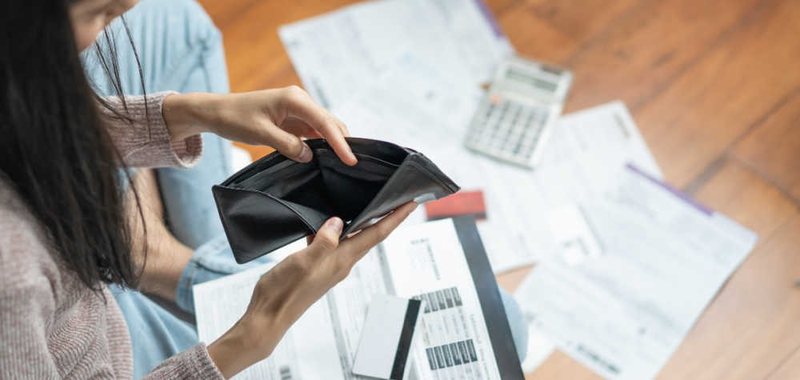
Gratë dhe fëmijët, të ekspozuar ndaj pasigurive ekonomike/ Pavarësisht rënies së varfërisë, pabarazitë gjinore dhe sociale vazhdojnë
Të dhënat më të fundit nga Anketa e të Ardhurave dhe Nivelit të Jetesës tregojnë se rreziku për të qenë i varfër në Shqipëri ka vijuar të ulet, duke arritur......
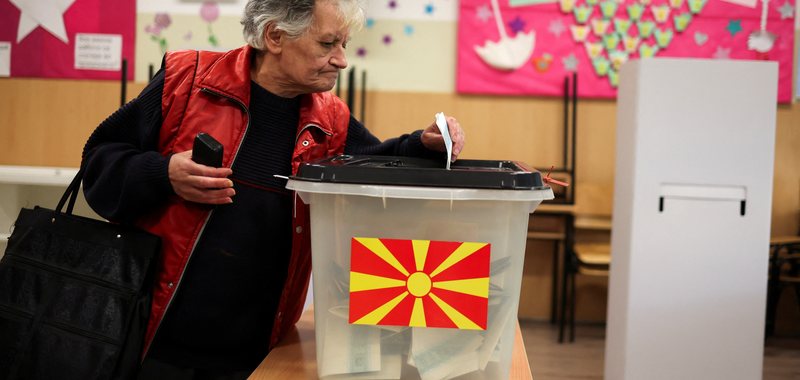
Zgjedhjet lokale në Maqedoninë e Veriut - Partia në pushtet VMRO-DPMNE shpall fitore bindëse pas raundit të parë
Partia në pushtet, VMRO-DPMNE shpalli fitore bindëse pas raundit të parë të zgjedhjeve lokale në Maqedoninë e Veriut, më 19 tetor. VMRO-DPMNE do të ketë......

Mundësi punësimi për të gjitha nivelet arsimore - AKPA: 6000 pozicione të lira në të gjithë vendin
Agjencia Kombëtare e Punësimit dhe Aftësive ka shpallur 6000 oferta punësimi në të gjithë vendin. Qindra pozicione në sektorë të ndryshëm janë të......

Si ka nisur kjo javë për valutat kryesore?
Dollari amerikan nuk ka pësuar luhatje të ndjeshme gjatë fundjavës duke e nisur këtë javë në qëndrueshmëri teksa është blerë këtë mëngjes me 82.5 lekë dhe......
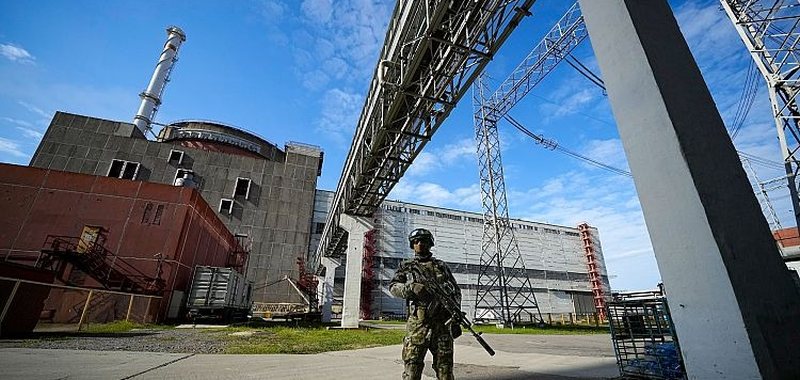
Gjermania shqyrton rikthimin e shërbimit ushtarak - Projektligji parashikon regjistrim të detyrueshëm, rekrutim në rast nevoje
Dhoma e ulët e parlamentit gjerman, Bundestagu, filloi shqyrtimin e një projektligji për të rishikuar modelin e shërbimit ushtarak të vendit. Kabineti......
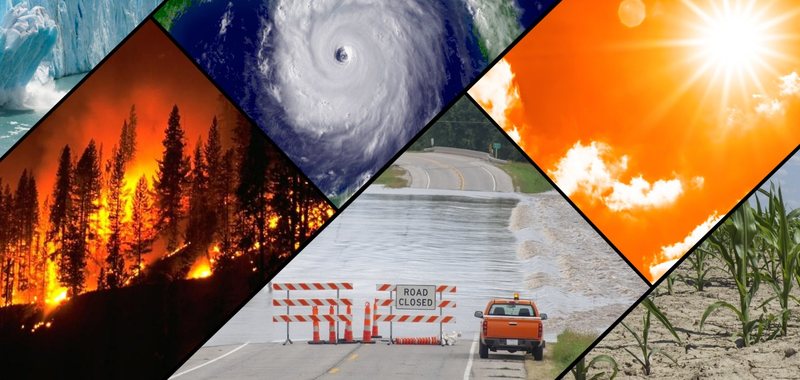
Dyfishohen kostot e motit ekstrem në Evropë - Dëmet mund të arrijnë në 126 miliardë euro deri në vitin 2029
Bashkimi Evropian ka paralajmëruar se "nuk mund të përballojë uljen e ambicieve për klimën dhe qëndrueshmërinë", pasi ka zbuluar koston reale të dëmeve të......
“Shqipëria 2030”, destinacion udhëheqës në Mesdhe i turizmit të qëndrueshëm/ Malaj: Parashikojmë të gjenerojmë 6.6 mld euro të ardhura vjetore
Ministri i Financave Petrit Malaj, mori pjesë në aktivitetin e nivelit të lartë lartë “Turizmi i Qëndrueshëm për Punësim, Jetesë dhe Zhvillim”, në kuadër të......