Armët bërthamore jashtë kontrollit? - Sot skadon traktati i fundit Rusi-SHBA. Ende asnjë marrëveshje

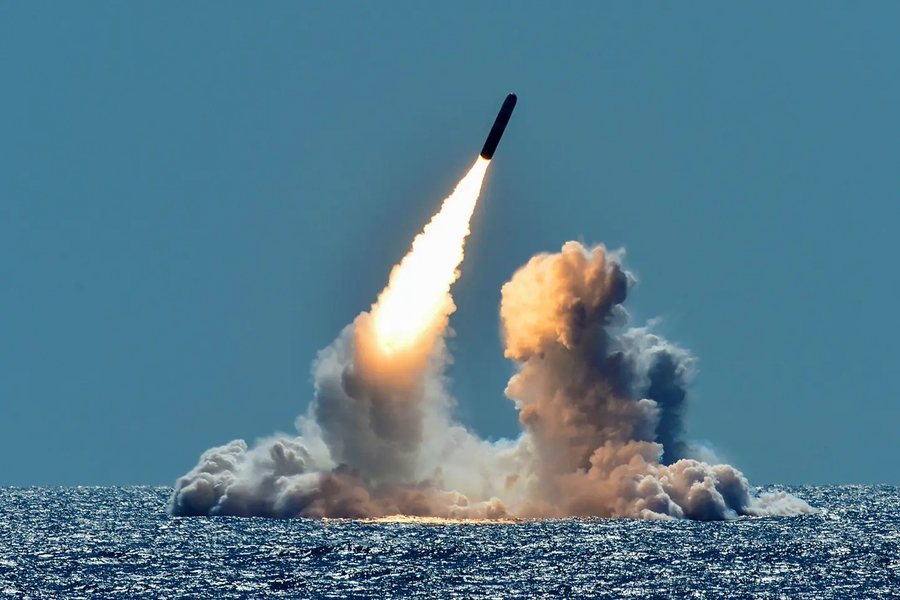
Sot skadon traktati i fundit Rusi-SHBA për kontrollin e armëve bërthamore, i njohur si START i Ri. Presidenti rus Vladimir Putin ka propozuar që të dyja palët duhet t’i përmbahen kufizimeve ekzistuese të armëve bërthamore për një vit tjetër, për të fituar kohë për të përcaktuar se çfarë do të ndodhë më pas. Presidenti i SHBA-së, Donald Trump, nuk i është përgjigjur zyrtarisht ofertës së Putinit.
Nëse të dyja palët nuk mund të bien dakord për të ruajtur kufizimet e raketave dhe kokave bërthamore, ato do të mbeten për herë të parë në më shumë se gjysmë shekulli pa kufizime të ndërsjella mbi madhësinë e arsenaleve të tyre strategjike.
Edhe në kulmin e rivalitetit të tyre bërthamor të Luftës së Ftohtë, Shtetet e Bashkuara dhe Bashkimi Sovjetik nënshkruan një sërë traktatesh për të parandaluar që gara e armatimeve të dilte jashtë kontrollit.
Referuar një dokumenti të Këshillin Atlantik, Rusia kishte refuzuar që nga viti 2023 të pranonte inspektime të ndërsjella që do t'i jepnin Uashingtonit siguri se Moska po vazhdon të zbatojë traktatin. Bindja ndaj propozimit të Putinit, do t'i dërgonte gjithashtu një mesazh Kinës se Shtetet e Bashkuara nuk do të ndërtonin forcat e tyre strategjike bërthamore në përgjigje të arsenalit bërthamor në rritje të shpejtë të Kinës.
Sipas Federatës së Shkencëtarëve Amerikanë, Rusia dhe Shtetet e Bashkuara kanë vlerësuar inventarë totalë prej 5,459 dhe 5,177 koka bërthamore përkatësisht. Së bashku, ato përbëjnë gati 87% të të gjitha kokave të tilla bërthamore në nivel global. Megjithatë, Kina e ka përshpejtuar programin e saj bërthamor dhe tani ka rreth 600 koka bërthamore. Pentagoni vlerëson se do të ketë më shumë se 1,000 deri në vitin 2030.
Ndërsa Trump ka deklaruar se dëshiron të ndjekë “denuklearizimin” si me Rusinë ashtu edhe me Kinën, Pekini thotë se është “e paarsyeshme dhe jorealiste” t’i kërkohet të bashkohet me bisedimet trepalëshe për çarmatimin bërthamor me vendet, arsenalet e të cilave janë shumë më të mëdha.
Duke i komplikuar më tej perspektivat për kontrollin global të armëve, Rusia thotë se forcat bërthamore të anëtarëve të NATO-s, Britanisë dhe Francës, duhet të jenë gjithashtu në negociata, diçka që këto vende e refuzojnë.
Analistët mendojnë se përpjekja për të krijuar një traktat të ri shumëpalësh bërthamor në këtë mjedis ishte pothuajse një rrugë pa krye dhe do të zgjasë shumë. Një alternativë do të ishte që Rusia dhe SHBA-të të hartonin një pasardhës të START-it të Ri, i cili do të përfshinte kufizime fleksibël për kokat bërthamore, duke marrë parasysh forcimin e armëve kineze.
Por, një rrugë më e shpejtë dhe më e drejtpërdrejtë do të ishte që vendet të përqendroheshin në hapat për të zvogëluar rrezikun e konsiderueshëm të shpërthimit aksidental të një lufte bërthamore.

Forcohet Dollari amerikan – Paundi dhe Franga humbasin pikë!
Dollari amerikan ka regjistruar rritje të vlerës mëngjesin e sotëm duke e nisur ditën pozitivisht teksa është blerë sot krahasuar me një ditë më parë me 81.3......
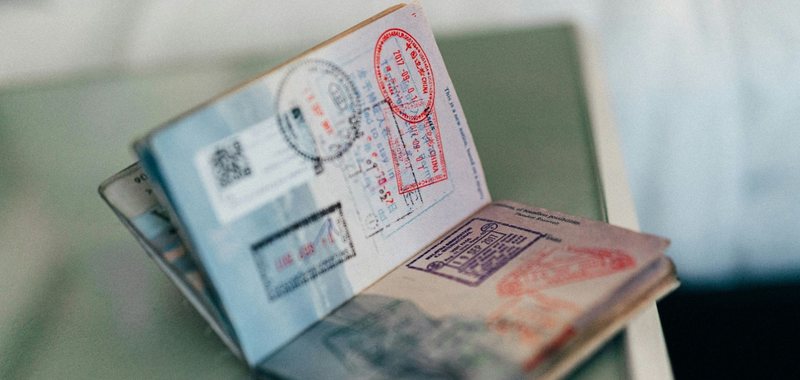
Shqipëria krijon vizë të posaçme për punëtorët e shtëpisë - Legalizon punësimin e të huajve me leje unike punë dhe qëndrim
Punësimi i punëtorëve të shtëpisë në Shqipëri hyn për herë të parë në një kornizë të qartë ligjore. Qeveria ka miratuar ndryshime në rregullat për hyrjen dhe......
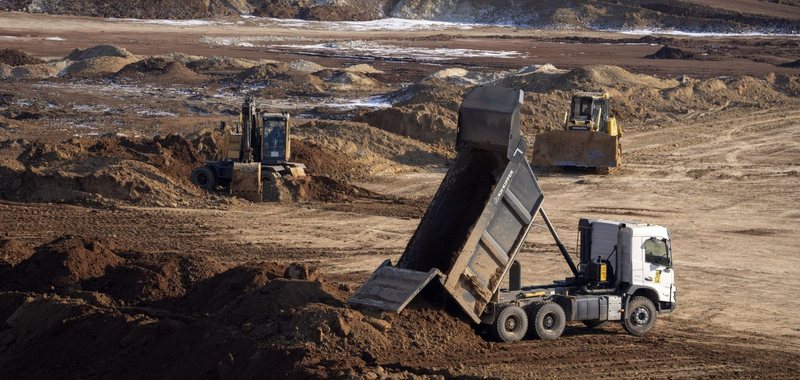
Krijohet blloku më i madh global i mineraleve kritike - SHBA mbledh mbi 50 vende për të kundërshtuar monopolin e Kinës
Zëvendëspresidenti i SHBA, JD Vance zbuloi planet për të bashkuar aleatët në një bllok tregtar preferencial për mineralet kritike, duke propozuar çmime......
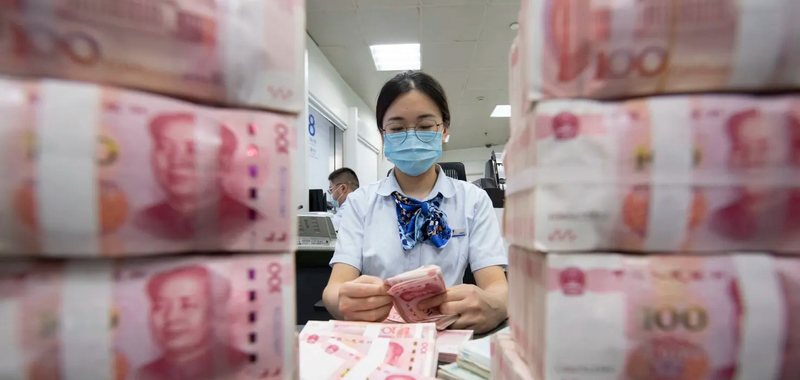
Kina, plan sfidues kundër dollarit - Jinping: Duhet të aspirojmë dominim valutor në tregje
Kina po harton një plan sfidues kundër dominancës amerikane në financat globale duke implikuar ndikim më të madh të monedhës vendase përballë dollarit të......
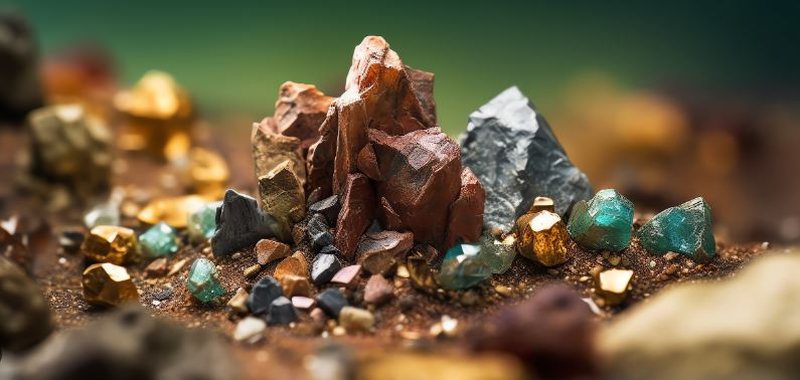
“Të fuqishmit” e Europës, marrëveshje për minerale kritike - Synohet një autonomi më e lartë për lendët e para përballë Kinës
Italia, Franca dhe Gjermania janë solidarizuar në iniciativën e grumbullimit të pasurive minerale sipas aktit të BE për këto materiale kritike, me qëllimin e......
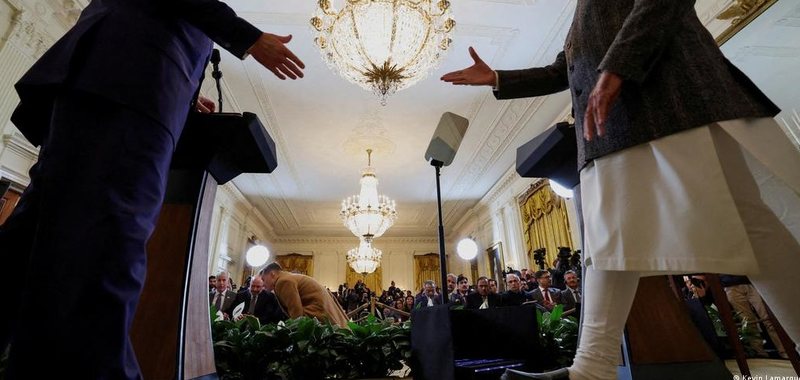
Marrëveshja tregtare, SHBA dhe India i japin fund kohës së raporteve të ftohta
Lajmet e fundit nga Uashingtoni mund të shihen anë e mbanë në Indi: SHBA-ja dhe India kanë arritur një marrëveshje historike tregtare. Vetëm pak kohë pas......
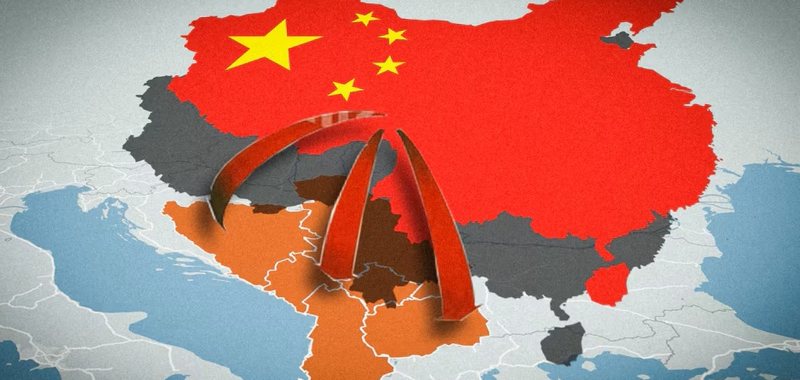
Nga studimet te lëvdatat në TikTok: Fushata e heshtur e ndikimit kinez në Ballkan
“Pekini ka interes të dërgojë sa më shumë studentë dhe shkencëtarë ndërkombëtarë në Kinë", thonë analistët. Programet arsimore të Pekinit po riformësojnë......
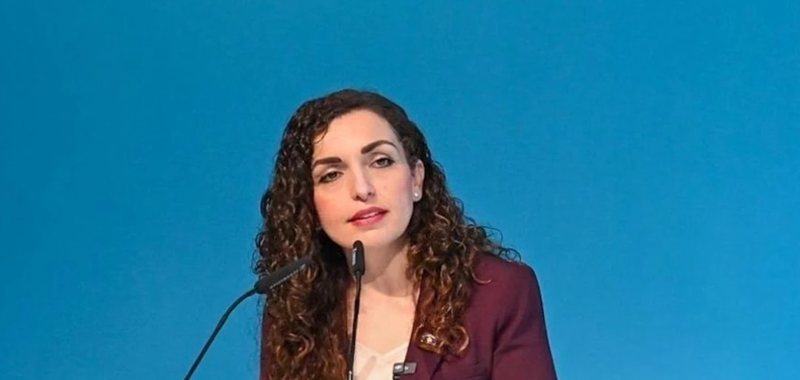
Presidentja Vjosa Osmani: Kosova është gati për ekonominë e gjeneratës së ardhshme
Presidentja e shtetit, Vjosa Osmani ka marrë pjesë në “World Governments Summit”, që po mbahet në Emiratet e Bashkuara Arabe, gjersa ka folur për vizionin e......