Pasojat e tarifave të Trump në SHBA Disa industri përballen me efektet e zgjatura një vit më vonë

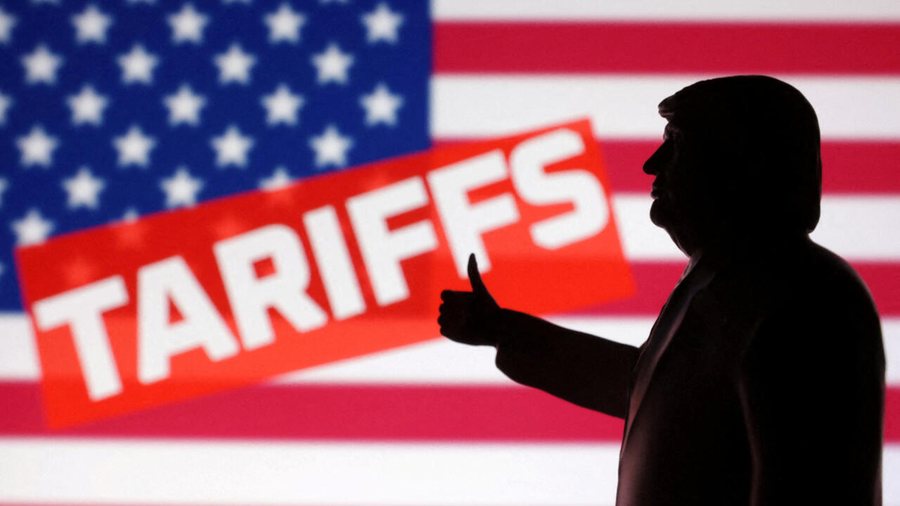
Një vit pasi Presidenti Donald Trump shpalli “ ditën e çlirimit ” dhe vendosi tarifa gjithëpërfshirëse mbi importet, duke nisur një valë pasigurie ekonomike dhe politike, disa kompani ende po i ndiejnë efektet.
Ndërsa disa industri kanë dalë kryesisht të padëmtuara, pasi kanë përballuar ndryshimet e tarifave, të tjera, të tilla si shitja me pakicë, automobilistika, mallrat e paketuara të konsumit dhe farmaceutika, po përballen me një realitet të ri në zinxhirët globalë të furnizimit.
Sipas analistëve, drejtuesit në korporatat amerikane duhej të mendonin vërtet se nga ku blejmë kundrejt faktit nëse mund të importojmë apo jo. Rreth 80% deri në 85% të kostove u absorbuan brenda vendit, që do të thotë se ose korporatat amerikane duhej të përballonin goditjen, ose ua kalonin atë klientëve, ose një përzierje të të dyjave.”
Më 2 prill 2025, në Kopshtin e Trëndafilave të Shtëpisë së Bardhë, Trump njoftoi tarifa të gjera vend pas vendi, si dhe një taksë bazë prej 10% për vendet që nuk ishin të listuara konkretisht në atë deklaratë. Këto politika tarifore luhatën shumë gjatë muajve në vijim, ndërsa Trump bëri marrëveshje dhe hoqi dorë nga disa nga detyrimet më ekstreme.
Me politikat tregtare dhe tarifore në ndryshim të vazhdueshëm, kompanitë u detyruan të ishin më fleksibile dhe të diversifikonin zinxhirët e tyre të furnizimit gjatë vitit të kaluar. Zhvendosja e operacioneve nga vende të tilla si Kina, Vietnami ose Meksika nënkuptonte kursime në kostot e importit, por për shumë industri, kjo ishte një detyrë e vështirë.
Sipas analistëve, klientët që në muajt e parë bënë ndryshime “agresive” për të kapërcyer kostot e tarifave, por për shkak se këto politika vazhdonin të ndryshonin, kompanitë filluan të lëviznin më ngadalë dhe të investonin burime në modelimin e skenarëve.
Kërkimi shkencor, me tre nivele financimi - Institucionet e reja, jo kriter performance për 3 vitet e para
Qeveria ka miratuar modelin e ri të financimit për shkencën dhe kërkimin shkencor, duke synuar rritjen e eficiencës dhe transparencës në shpërndarjen e......

Zv.kryeministrja Koçiu dhe ministri Gonxhja në Mat, vizituan Pallatin e Kulturës të rikonstruktuar
“Punët e Shqipërisë” kanë në fokus edhe Matin. Në një postim në rrjetet sociale ministri Blendi Gonxhja ka vlerësuar rikonstruksionin e Pallatitt ë Kulturësn......
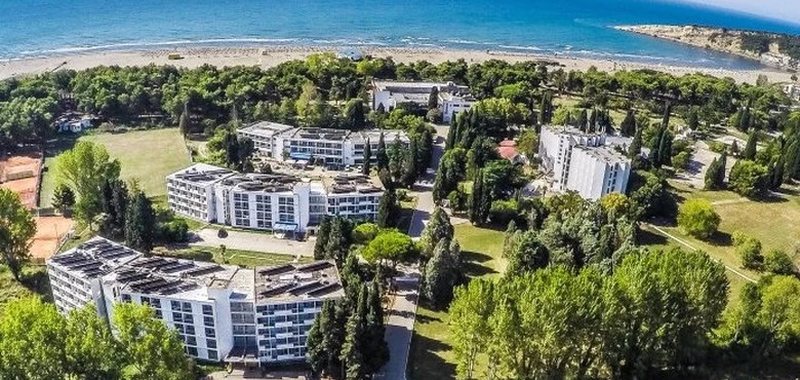
Mali i Zi, Mohamed Alabbar përfundon projektin e fshatit turistik në Ulqin
Investitori nga Emiratet e Bashkuara Arabe, Mohamed Alabbar, tha se projekti i një fshati të planifikuar eko-turistik në komunën e Ulqinit në bregdetin......
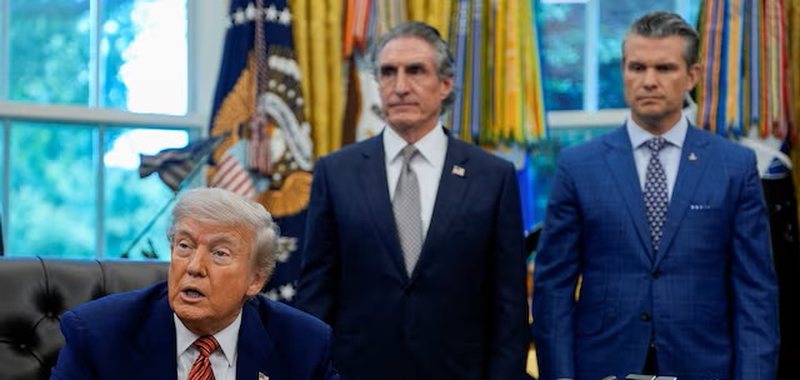
Trump propozon buxhetin "historik" për mbrojtjen, rritje me 500 miliardë dollarë
Presidenti i SHBA-së, Donald Trump, kërkoi të premten një ulje prej 10% të shpenzimeve jo-mbrojtëse për vitin fiskal 2027 dhe një rritje masive prej 500......
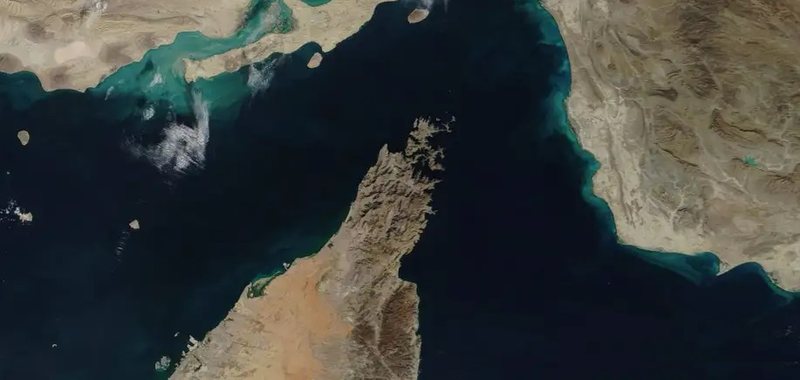
Ekonomia botërore e marrë peng, ankthi që vjen nga Lindja e Mesme
Përfaqësues nga rreth 40 vende morën pjesë në një takim virtual për rihapjen e Ngushticës së Hormuzit. Kryeministri britanik Keir Starmer kishte ftuar për......
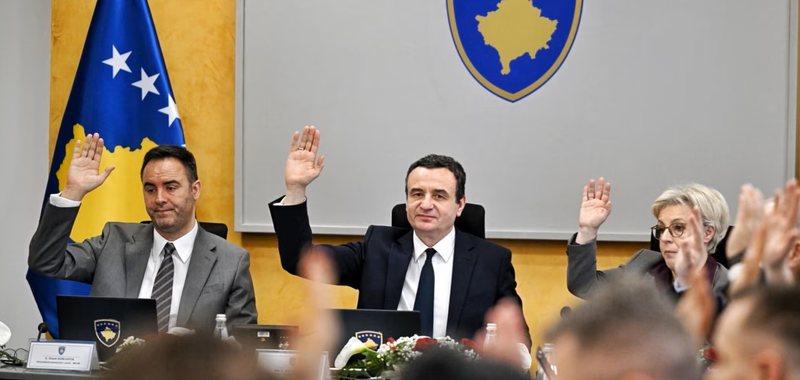
Qeveria e Kosovës miraton projektligjin për çmimet tavan për produktet bazë dhe sigurimet shëndetësore
Kabineti i kryeministrit Albin Kurti i ka kaluar të premten projektligjet për çmimet tavan dhe për sigurimet e detyrueshme shëndetësore, të cilat duhet të......
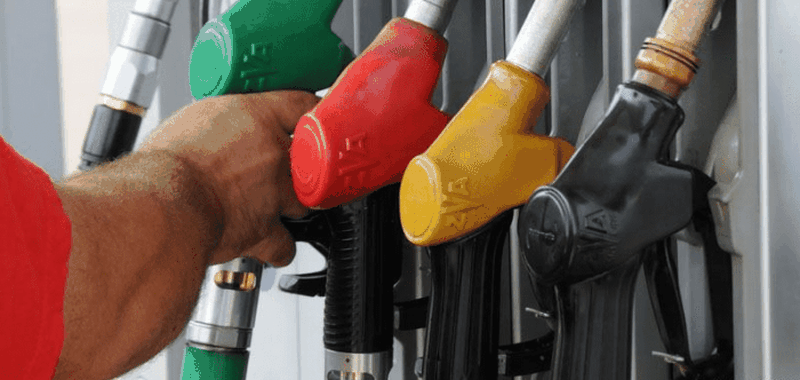
Çmimet e reja të karburanteve, Bordi i Transparencës: nafta 224 lekë për litër, benzina 181 lekë për litër
Nga ora 20.00 e ditës së sotme në fuqi hyjnë çmime të reja për shitjeën e karburanteve në tregun e pakicës dhe shumicës. Bordi i Transparencës i publikoi......
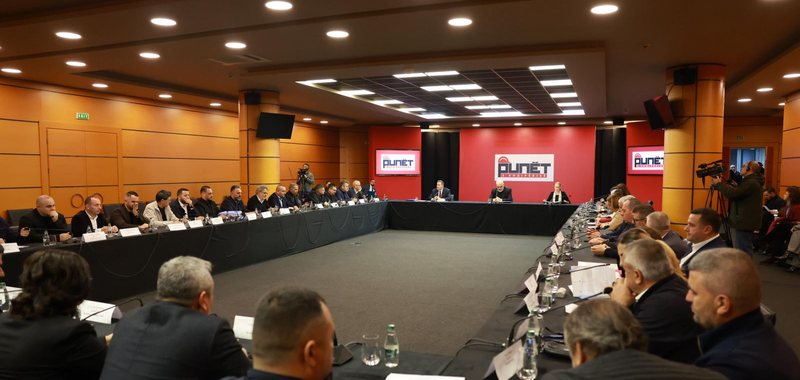
Rama me kryebashkiakët: Disa bashki kanë ecur mirë me projektet për Paketën e Maleve
Zhvillimi i agroturizmit dhe turizmit kulturor, ecja përpara me procesin e legalizimit, administrimi i mbetjeve urbane dhe zhvillimi i arsimit ishin disa nga......