Tirana, among the cheapest cities for public transportation/ London with the highest costs, the most affordable Balkan

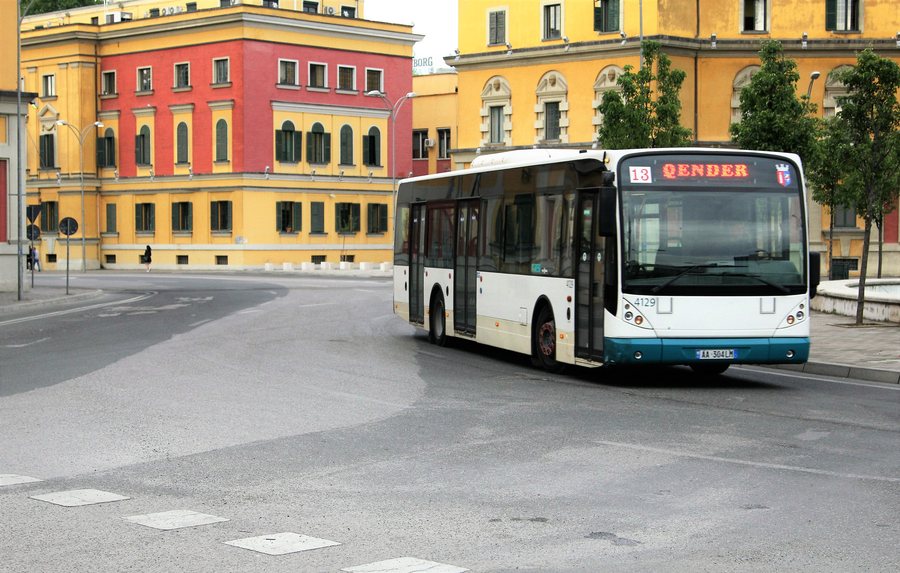
Albania and the Balkan countries continue to remain among the regions with the lowest public transport prices in Europe, even at a time when major European cities are facing significant cost increases. According to Numbeo’s comparative data for 2025, Tirana ranks 132nd out of 139 cities, with an average price of just 16 euros per month for a public transport subscription. Only a few Eastern European cities are cheaper than the Albanian capital, including Pristina, Chisinau and Kiev at 9.54 euros.
Even at a regional level, prices remain significantly low. Skopje offers a monthly subscription of 24.35 euros, Sarajevo 29.71 euros, Podgorica 30 euros, while in Athens the price is 29 euros. A special case is Belgrade, where public transport is completely free. These figures position the Balkans as one of the areas with the most affordable public transport on the continent, although this often brings up discussions about the quality of service, investment and sustainability of the system.
Elsewhere in Europe, costs are several times higher. London tops the list with a price of 204.83 euros per month, while cities like Utrecht, Brighton, Copenhagen, Manchester, Amsterdam, Stockholm and Paris range from around 88 to over 150 euros for a monthly subscription. Even cities known for the high quality of public services, such as Zurich, Basel, Bern, Geneva and Dublin, have prices ranging from 75 to 95 euros.
Comparing these data highlights the significant economic gap between Western Europe and the Balkan region. While prices in the Balkans are low and favorable for citizens, they are not always accompanied by the level of modern infrastructure or efficiency that characterizes the continent's more developed countries.
These low prices in the Balkans are often linked to subsidies provided by the government itself, making the cost to users low or, in some cases, even zero. An example is Luxembourg, where public transport has been free since 2020, while Belgrade from January 1, 2025. In these countries, financing is provided by taxes and the government budget, so that every citizen can use this type of transport. Meanwhile, countries where prices are much higher explain this by the better quality of service and the more developed public transport infrastructure as well as the standard of living and salaries.

The US Dollar Weakens - How Much Are the Franc, Euro and Pound Exchanged Today?
The US dollar has registered a decrease in value this morning compared to the day before, as it was bought for 82.5 lek and sold for 83.7 lek according to......

Trump seeks to renovate Washington Airport - US President criticizes condition of facility, proposes new project
President Donald Trump said his administration intends to rebuild Washington Dulles International Airport in Virginia, the US capital's main international......

New national fire risk map - Greece aims to prevent climate risks
The National Forest Fire Risk Assessment Map in Greece has entered into force, following approval by the Minister of Climate Crisis and Civil Protection. The......

Who benefits from the 10% VAT compensation? - Procedures that farmers must follow and products covered by the scheme
From January 1, 2026, a 10% compensation rate for farmers comes into effect, as part of the fiscal package. The reform aims to ease production costs by......
450 million euros from international lenders - Montenegro receives loan to expand fiscal reserves
Montenegro's Ministry of Finance signed a 5-year loan agreement of 450 million euros with a group of foreign banks to help expand the country's fiscal......
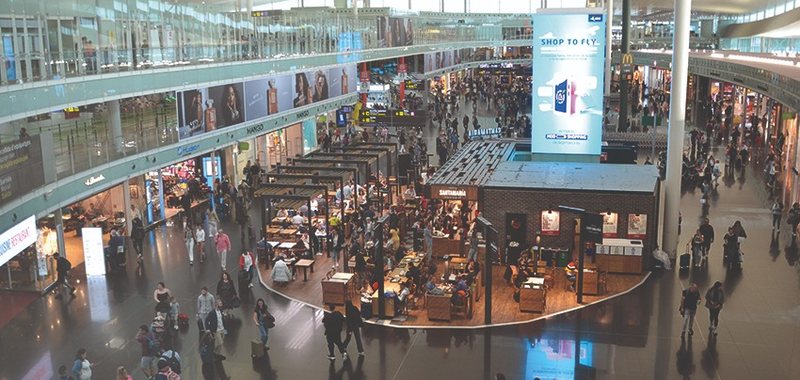
Passenger rights law remains “suspended” - EU lawmakers under pressure from aviation industry
European lawmakers failed to agree on a controversial law on air passenger rights during recent talks. The process, which has dragged on for over a decade,......
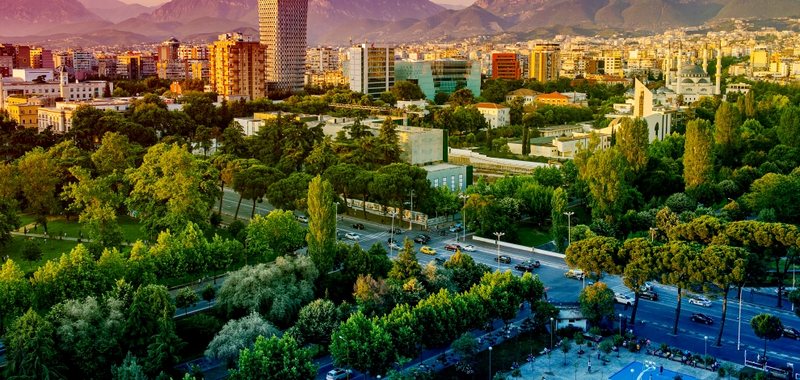
Tirana, a "magnet" of businesses - How are economic activities distributed in Albania?
According to data from the National Business Center, there are currently 408,620 active businesses in Albania. A figure that shows not only the expansion of......

"AI is helping global economic growth" - OECD: Investments in this sector are offsetting tariffs
Global economic growth is continuing better than expected as a boom in investment in artificial intelligence helps offset some of the shock from rising U.S.......