Who benefits from the 10% VAT compensation? - Procedures that farmers must follow and products covered by the scheme

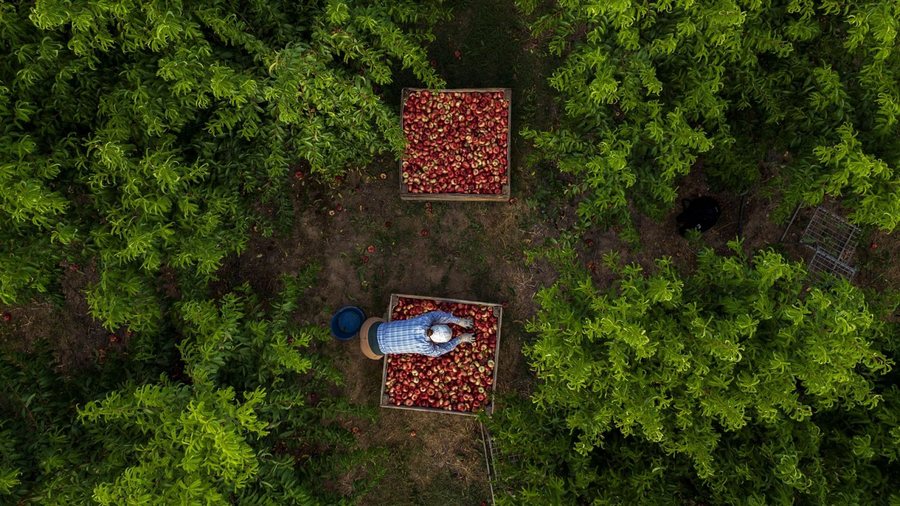
From January 1, 2026, a 10% compensation rate for farmers comes into effect, as part of the fiscal package.
The reform aims to ease production costs by compensating farmers for a portion of the VAT paid on seeds, seedlings, fertilizers, pesticides and other production inputs. The compensation will be paid directly by the tax administration, avoiding long-standing problems with payments from buyers.
The compensation is calculated on the total value of agricultural products sold, not on inputs purchased directly. So, it is a fixed rate that partially covers the VAT on inputs.
ALTAX has provided an explanation of how the scheme works. For example, if a farmer sells agricultural products (e.g., vegetables) worth 100,000 lek to a registered buyer, the compensation is 10,000 lek (10% of the sale value). This compensation partially covers the 10% VAT that the farmer has paid on inputs such as pesticides or seedlings.
But when is this compensation received?
But to benefit, sales must be made only to registered buyers such as: collectors of agricultural products, processors of agricultural products (e.g. dairy or fruit processing factories), or certified agritourism entities.
Farmers must request a fiscalized invoice from the buyer with their receipt, which must contain the value of the supply without additional VAT. They then submit a request for compensation twice a year (by December 31 for January-June and by June 30 for July-December).
The tax administration verifies and pays the compensation amount within 30 days. The compensation is calculated for a 6-month period by accumulating all sales.
This measure is expected to positively impact the formalization of the sector and provide about 1.5 billion lek in financial support annually. The main challenges are related to the limitation of qualified buyers and the adaptation of farmers to the new procedure. This scheme comes to the aid of farmers who are not registered for VAT, i.e. who do not charge VAT on sales and do not deduct it on purchases.
This scheme also ensures accurate tax documentation which combats informality. There are currently around 659 such buyers registered according to tax records and this measure aims to increase their number by increasing registration.
example
The farmer sells 100,000 lek worth of products to the collector
Compensation rate 10%
Cash value 10,000 lek
450 million euros from international lenders - Montenegro receives loan to expand fiscal reserves
Montenegro's Ministry of Finance signed a 5-year loan agreement of 450 million euros with a group of foreign banks to help expand the country's fiscal......
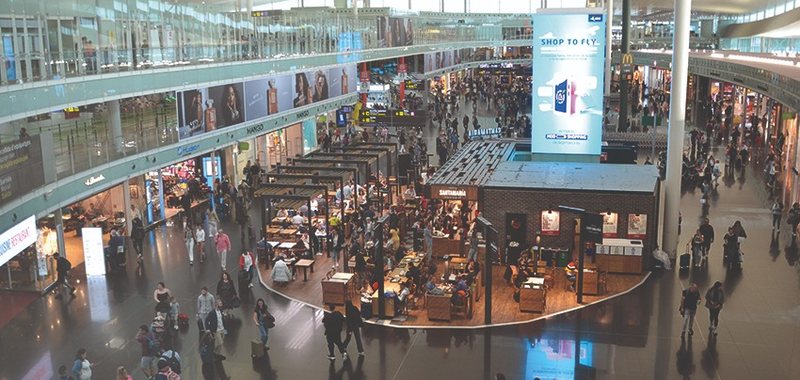
Passenger rights law remains “suspended” - EU lawmakers under pressure from aviation industry
European lawmakers failed to agree on a controversial law on air passenger rights during recent talks. The process, which has dragged on for over a decade,......
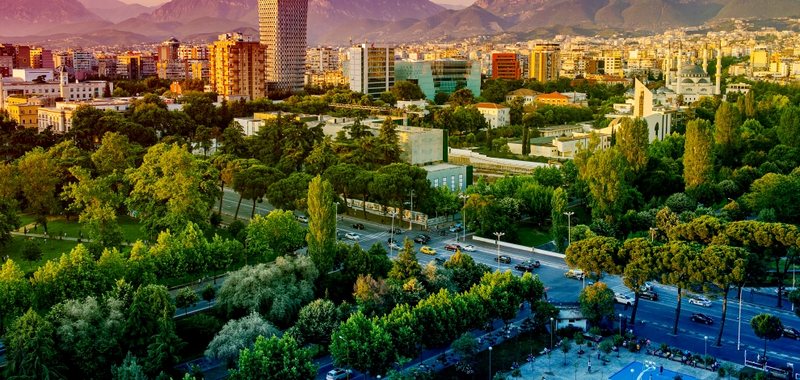
Tirana, a "magnet" of businesses - How are economic activities distributed in Albania?
According to data from the National Business Center, there are currently 408,620 active businesses in Albania. A figure that shows not only the expansion of......

"AI is helping global economic growth" - OECD: Investments in this sector are offsetting tariffs
Global economic growth is continuing better than expected as a boom in investment in artificial intelligence helps offset some of the shock from rising U.S.......
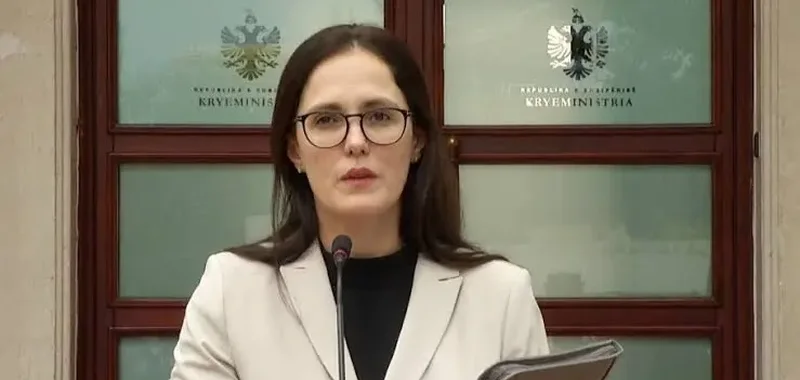
Pensioner bonus, Ibrahimaj: In 2 days, 42 thousand pensioners withdrew the benefit
The Minister of Economy and Innovation, Delina Ibrahimaj, announced through a post on social networks that in the first 2 days of the distribution of the......
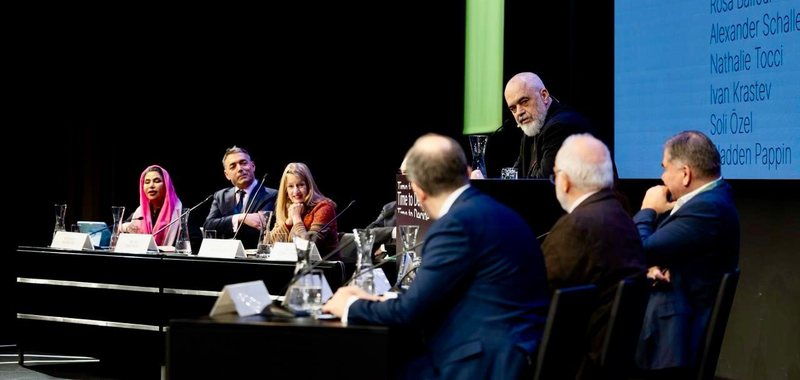
"Time To Decide Europe 2025", Rama at the high-level forum in Vienna
Prime Minister Edi Rama was one of the speakers and panelists at the “Time To Decide Europe 2025” Conference, a high-level forum that addresses key issues on......
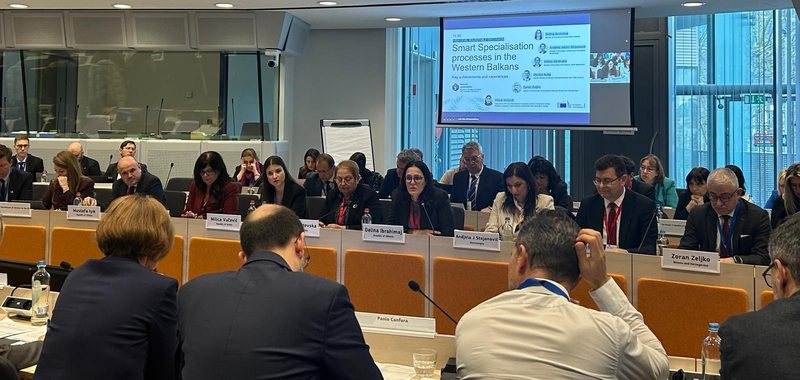
Ibrahimaj presents Albania's progress in Brussels on "Smart Specialisation processes"
The Minister of Economy and Innovation, Delina Ibrahimaj, participated in the high-level roundtable on "Smart Specialisation processes in the Western......
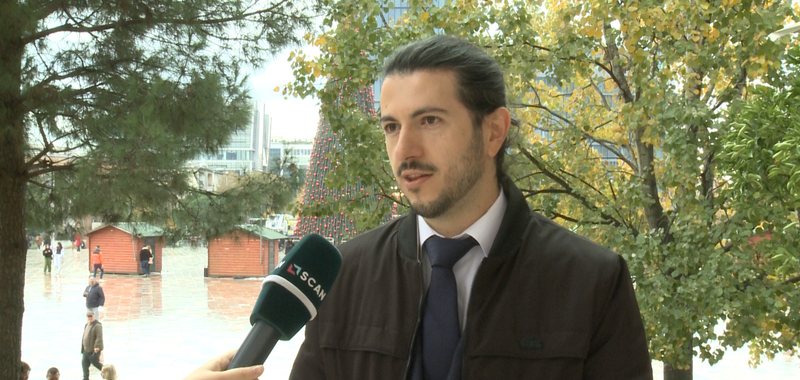
How will profits from crypto be taxed? - Dokuzi: The draft law changes the current 15%. Losses are also taken into account
The tax on profits from investing in cryptocurrencies will also be based on how much loss you have had from this investment. The Ministry of Economy and......