How much money do emigrants send and save? Returnees saved the most, with 76% of their financial target achieved

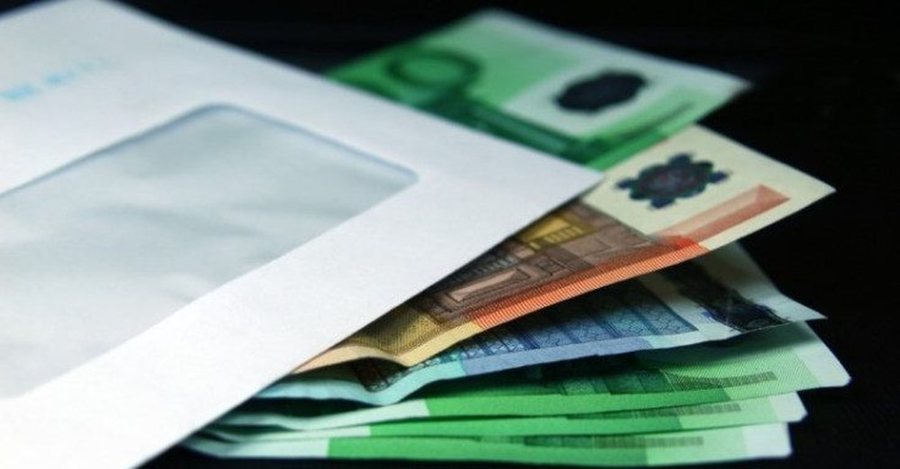
Albanian emigrants returning to the country send more remittances during the emigration period compared to those still abroad. Meanwhile, according to the Emigration Survey, current emigrants send less money, as their ties to the country gradually weaken over time.
About 40% of emigrants have sent remittances during their stay abroad, with a higher percentage among returned emigrants. Male emigrants are almost twice as likely to send remittances as females, and this tendency increases with age and peaks in the 45–64 age group. Education level also plays a role, as emigrants with secondary education send remittances more often than those with higher education.
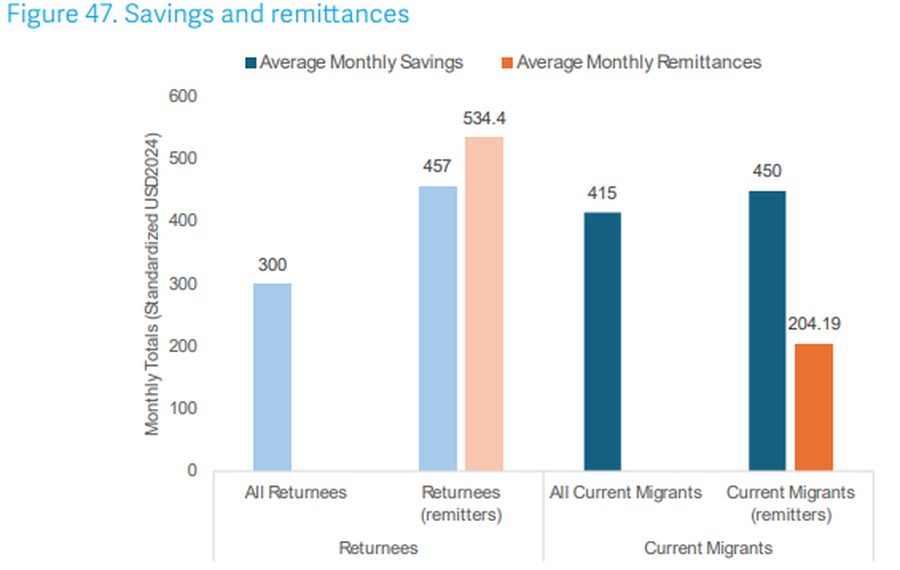
Remittance behavior appears to be closely linked to the ability to save during the migration experience. The data show that returnees who sent remittances while abroad were able to save an average of 50% more compared to those who did not send remittances, specifically US$450 versus US$300.
A similar trend is observed among emigrants currently abroad, although the difference in savings levels is smaller. Also, returned emigrants who sent remittances are closer to meeting their savings expectations. They managed to save about 76% of the amount they had planned, while emigrants who did not send remittances saved only 42% of their expectations.
Overall, individuals who managed to save money had lower savings intentions, averaging $535, compared to $649 for those who failed to save, highlighting a discrepancy between financial goals and actual outcomes.
International experience shows that remittances are highest in the first years of emigration, but decline over time, while those who intend to return maintain stronger family ties and continue to financially support their families in their country of origin.
30% profit tax deduction for sponsorships - National Electronic Registry for Donations is created, restrictions for donors
Sponsors who contribute to the field of art, sports or culture will benefit from fiscal relief through a direct deduction of up to 30% from profit tax, both......
"The US has not blocked the movements and travel of Albanians" - Minister Spiropali: Immigration policy for residence permits has changed
The Minister for Europe and Foreign Affairs, Elisa Spiropali, has stated that "the latest US decision has not blocked the movement and travel of Albanian......
General growth in the foreign exchange market – Major currencies strengthen!
The US dollar has registered an increase in value this morning compared to the day before, being bought today at 82.5 lek and being sold at 83.5 lek......

Car sales and exports from China - Uncertainties and geopolitical tensions put pressure
China's auto sales and exports are set to slow due to sluggish demand and external uncertainties, a major Chinese industry association said on Wednesday.......

From "Are you dead?" to Demumu - The Chinese app that cares for people who live alone
The Chinese mobile app "Are You Dead?", designed for people living alone to notify loved ones when there has been no activity for days, has announced it will......
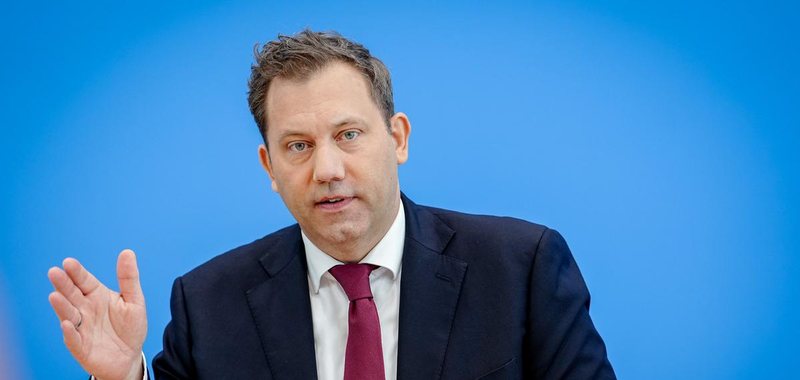
"The transatlantic alliance is falling apart" - German Finance Minister: More European patriotism is needed
German Finance Minister Klingbeil called for a new era of "European patriotism" in defense of the continent's economic interests, proposing that companies......

Davos begins a new era - Confronting the global order shaken by Trump
Business and political elites head to the World Economic Forum's annual meeting in Davos next week, with its vision of a rules-based global economic order......

Croatia restores military service after 17 years - Around 1,200 young men have received their draft papers for two months of recruitment
The new year brings with it an old challenge in a new form for young people in Croatia. In the first days of 2026, about 1,200 of them received letters......