Sa e përdorin shqiptarët IA? Renditemi në vendin e 94-t ndër 200 shtete të botës

Një raport i ri i publikuar nga “AP Machine Learning”, që analizon aktivitetin teknik dhe përdorimin e inteligjencës artificiale në rreth 200 vende të botës, sjell një pasqyrë të qartë mbi mënyrën se si popujt po adoptojnë teknologjinë më të avancuar të kohës. Ndryshe nga strategjitë shtetërore apo planet korporative, ky indeks fokusohet te përdorimi real i IA-së nga zhvilluesit, studentët dhe profesionistët që ndërveprojnë çdo ditë me përmbajtje teknike, duke zbuluar kështu historinë e vërtetë të angazhimit global.
Sipas të dhënave, Shqipëria renditet në vendin e 94-t me 0.21 pikë, një tregues i angazhimit të moderuar, por gjithsesi i një komuniteti që po rritet në përdorimin e mjeteve dhe aplikacioneve moderne të inteligjencës artificiale. Krahasuar me vendet e rajonit, situata paraqitet e diferencuar. Serbia qëndron dukshëm më lart, në vendin e 56-t, duke u bërë vendi me adoptimin më të lartë të IA-së në rajon. Pas saj renditen Bosnje &Hercegovina në vendin e 89-t, Maqedonia e Veriut në vendin e 92-t, ndërsa Mali i Zi shfaqet si vendi me aktivitetin më të ulët të IA-së në rajon.
Në përmasë globale, Shtetet e Bashkuara kryesojnë me diferencë të madhe, duke reflektuar jo vetëm popullsinë e tyre të madhe dhe orientimin drejt teknologjisë, por edhe ekosistemin shumë të avancuar të zhvilluesve dhe shkencëtarëve të të dhënave që kërkojnë në mënyrë të vazhdueshme të përmirësojnë aftësitë e tyre. Nga ana tjetër, raporti vë në dukje se disa vende shfaqin aktivitet minimal në përdorimin e inteligjencës artificiale. Ndër to përfshihen Congo-Brazzaville, Çadi, Karaibet Hollandeze, Kepi i Gjelbër, Bermudat, Belize, Aruba dhe Svalbard & Jan Mayen, ku qasja e kufizuar në infrastrukturë dhe mungesa e komuniteteve të specializuara konsiderohen faktorët kryesorë të këtij niveli të ulët interesi.
Megjithëse dallimet mes vendeve mbeten të mëdha, raporti sugjeron se angazhimi global me IA-në po rritet me ritme të qëndrueshme. Për Shqipërinë dhe rajonin, investimi në edukim teknologjik, rritja e kapaciteteve profesionale dhe forcimi i infrastrukturës dixhitale mbeten elementë thelbësorë për të kapur hapin me transformimin botëror që po sjell inteligjenca artificiale.
Albanians trust the West, "ignore" the East/ Public opinion is clear: Away from Russia and China, we support the EU and NATO
Albanians continue to hold a distinctly pro-European stance. According to the 2025 Annual Survey for Albania, around 92% of citizens surveyed say they “tend......
POS, the new challenge for Albanian trade - What is the relationship between businesses and electronic devices for card payments?
Many businesses, but few POS terminals. At a time when the world is moving towards more card payments and less cash, the ratio between the number of......
Floods, farmers will be compensated for damages - Salla: We will start recording. No one will be left without support
Bad weather and intense rainfall over the past few days have caused flooding in several municipalities in the country and significant economic damage to......

Energy volumes increase on the Albanian Stock Exchange/ The 9-month period also marks an increase in prices, the value of transactions reached almost 159 million euros
Over 1.36 million mWh of energy was traded on the Albanian Electricity Exchange during the first 9 months of this year, with the value of transactions......
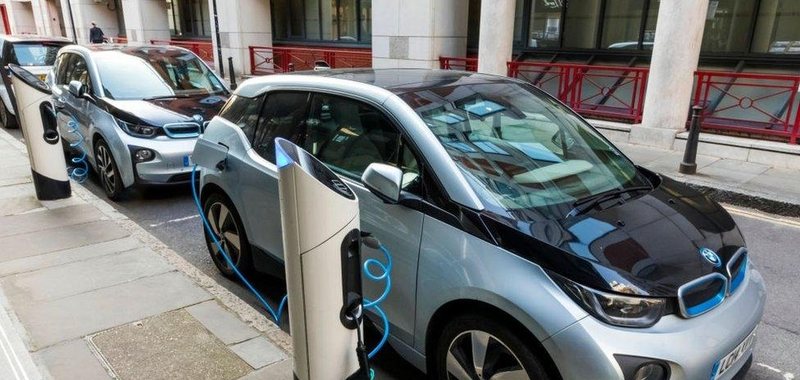
“Towards a cleaner fleet” - DPSHTRR: 30.9% increase in plug-in hybrid registrations
The vehicle market is moving towards cleaner and more efficient technologies. The General Directorate of Road Transport Services reports that during the......

Property Security and Digital Cadastre - Investment Council reveals the obstacle that is driving away investors
The Investment Council's latest progress recommendations have highlighted that the issues of property security and Digital Cadastre remain among the most......

Croatia "challenges" inflation - Sets "ceiling" prices for 30 basic products
The Croatian government has decided to add 30 more items to the list of 70 basic products with capped prices, in an effort to ease inflationary pressure on......

Montenegro, debt will reach 5.88 billion euros - It will expand by 1.2 billion euros in one year
At the end of the third quarter, Montenegro's national debt reached 4.705 billion euros, or 59.4 percent of GDP, while at the end of next year it is expected......