Returnees from emigration, more at risk of unemployment - EBRD: Reintegration into the labor market remains a challenge. How many of them want to leave again?

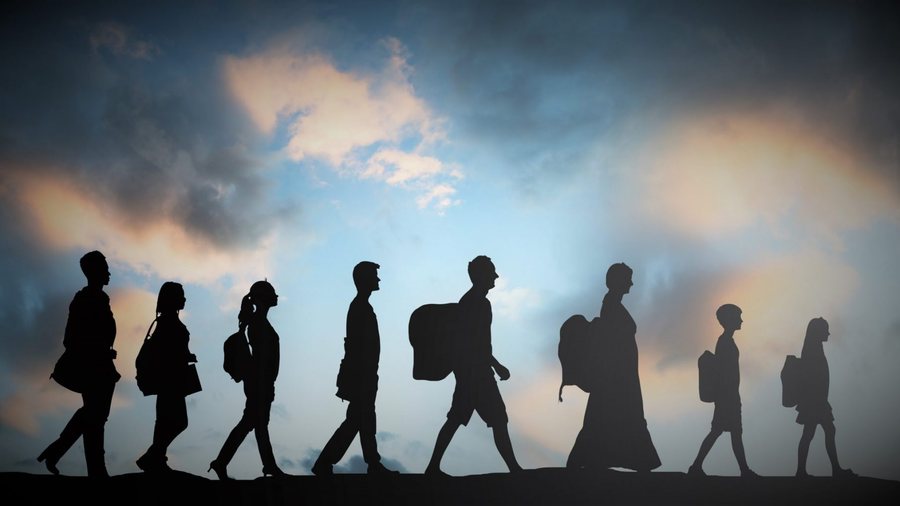
A significant portion of Albania's population has lived abroad. According to the European Bank for Reconstruction and Development (EBRD) Transition Report, we surpass many other countries in the region in terms of emigration experience.
A survey conducted by the Austrian National Bank (OeNB) sheds light on patterns of repeat migration in Albania, Bosnia and Herzegovina, Bulgaria, the Czech Republic, Hungary, North Macedonia, Poland, Romania and Serbia. On average, 15% of respondents report having lived abroad, ranging from 7% in Hungary to 30% in Albania.
Of this 30%, about 16% of respondents declare that they have had an experience in emigration, have returned and have no plans to emigrate again. Meanwhile, almost 14% have emigrated, have returned and are planning to emigrate again.
One third of all migration periods lasted less than a year, while stays of more than three years were particularly common among respondents in Bosnia and Herzegovina (46%). Returning migrants in Albania and North Macedonia report that they are likely to migrate abroad again. Unemployment rates are higher among individuals with migration experience than among those who have never migrated. This holds even when controlling for other socio-demographic characteristics and is consistent with the fact that returnees often face challenges when reintegrating into their home country’s labour markets.
These models highlight the need for policies that facilitate the reintegration of returnees into the labor market, while simultaneously leveraging their accumulated skills, international networks, and entrepreneurial potential.
Migration is not necessarily a one-way journey, the EBRD report says. Many individuals change places several times in their lives, perhaps returning home and migrating again as circumstances change. This cyclical pattern of migration can be driven by emerging economic opportunities, family circumstances and individuals’ career prospects.

Electrification of railway lines - Regulation on standards and technical requirements for the "energy" subsystem ready
As several electric railway lines are expected to be put into operation in the coming years, the Ministry of Infrastructure and Energy has approved the......
111 million euros for transport and energy in Albania - EBRD, record financing in 2025. Transition Report presented, demographic challenge
The European Bank for Reconstruction and Development (EBRD) has provided a record financing of 217 million euros to Albania during 2025, mainly for projects......
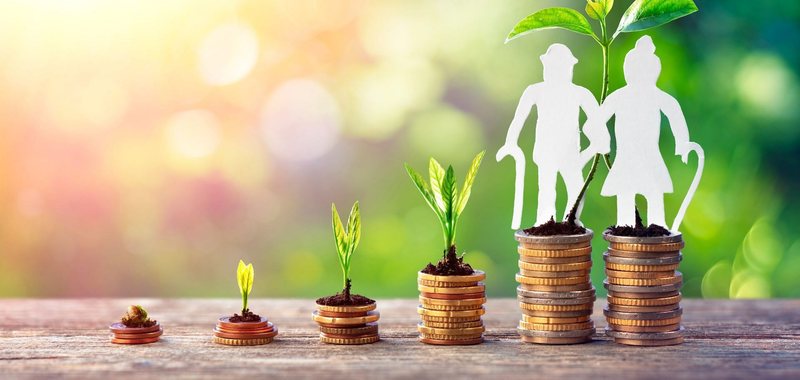
Pensions and bonuses, 150 million euros transferred to the account - Normative act in the Parliament, Malaj: Supports the needy
The latest normative act for changes to the 2025 budget was discussed in the parliamentary session. During its presentation, the Minister of Finance, Petrit......
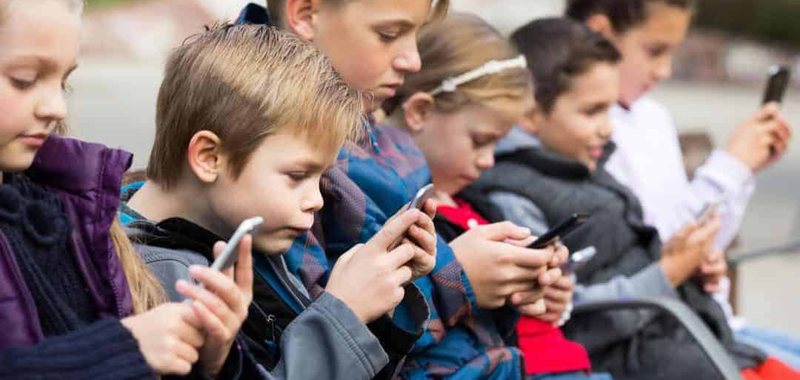
Ban on social networks for children under 15 - French National Assembly approves law
France's National Assembly has passed a law to ban the use of social media by children under 15, amid growing concerns about online bullying and mental......
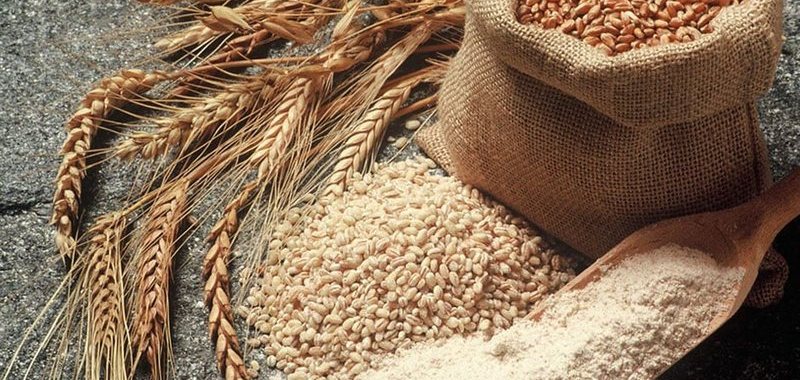
Bread, where does Albania rely? Analysis: How has the geography of the country's grain supply changed?
Albania's grain imports have undergone a significant transformation over the past decade, reflecting not only economic developments but also geopolitical......

"Completely decriminalize defamation and insult" - Amendments to the Criminal Code, Bino: EU standards are not met
Civil society and media freedom organizations have called for the full decriminalization of defamation and insult. Shortly before the start of the session......
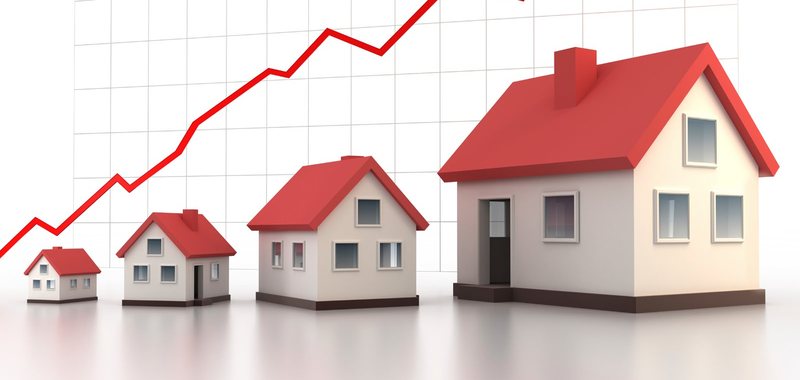
How affordable is it to buy a home? Albania ranks 33rd globally, maintaining an almost average ratio
The property index provides some important data regarding the affordability of purchasing real estate. One of the key indicators in this index is the Price......
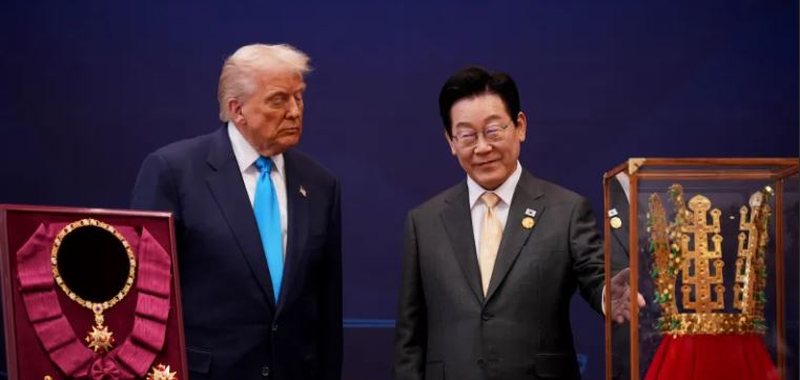
Trump increases trade tariffs on South Korea - From 15 to 25%. The Korean government has not approved the bilateral agreement
US President Donald Trump said he would raise tariffs on some goods from the Republic of Korea from 15 to 25 percent, accusing the country's government of......