Bread, where does Albania rely? Analysis: How has the geography of the country's grain supply changed?

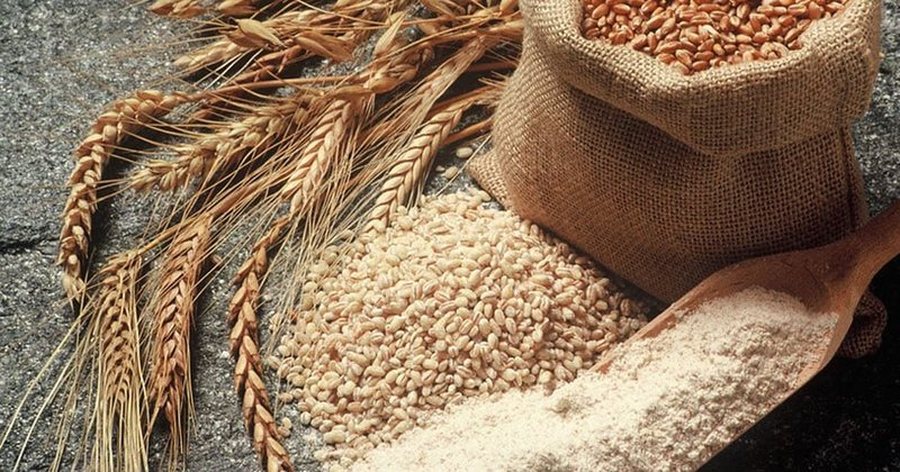
Albania's grain imports have undergone a significant transformation over the past decade, reflecting not only economic developments but also geopolitical shocks that have shaken global food markets. The data show that, while the total value of imports has remained relatively high over the years, the weight of supplying countries has changed significantly, especially after 2022.
In 2015, the Albanian grain market was characterized by a strong dependence on Russia, which covered over 42% of total imports. Serbia ranked second with around 27%, while the rest was divided between Italy, Spain, Greece and several other partners with more limited weight.
The situation began to change gradually after 2020, but the main break occurred after the outbreak of the war in Ukraine. In 2022, although Russia remained an important supplier, its weight was eroded by trade restrictions, logistical uncertainties and rising costs, causing it to lose the dominant role it had had for years. In 2023, Russia dropped to about 22% of the total, being surpassed for the first time by Serbia.
Meanwhile, Serbia consolidated as Albania's main partner for grain imports, reaching a share of over 36.5% in 2023.
Another significant change was the temporary increase in imports from Ukraine. From an almost negligible share before 2020, Ukraine reached 13.5% of the total in 2023, reflecting the efforts of European markets to keep grain export corridors functional during the war. However, this share shrank again in 2025.
In parallel with these developments, a careful diversification of supply sources is also observed. Countries such as Italy, Greece and Spain maintained a stable presence, while after 2022 imports from Canada, China and North Macedonia increased.
In 2025, Albania's grain imports are clearly dominated by Serbia, which holds 36.5% of the total weight, confirming itself as the main supply partner. Russia ranks second with 29.6%, maintaining an important role, but without reaching the dominant positions of the pre-war years in Ukraine. After them, the weight of imports is distributed in a more fragmented way, with Italy covering 5.2%, followed by North Macedonia with 4.2%. Ukraine holds 2.7%, while Croatia, China and Canada each contribute around 2.4%.
In terms of the trade balance, data show that Albania remains a net importer of cereals. Exports are many times lower than imports and show strong fluctuations over the years, with an unusual increase in 2022, followed by a decline again in the following years. This further highlights the country's sensitivity to fluctuations in international food markets, especially with shipments to Kosovo.

"Completely decriminalize defamation and insult" - Amendments to the Criminal Code, Bino: EU standards are not met
Civil society and media freedom organizations have called for the full decriminalization of defamation and insult. Shortly before the start of the session......
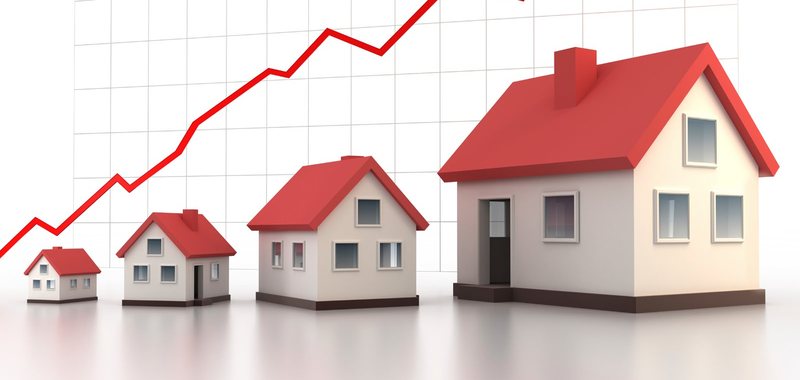
How affordable is it to buy a home? Albania ranks 33rd globally, maintaining an almost average ratio
The property index provides some important data regarding the affordability of purchasing real estate. One of the key indicators in this index is the Price......
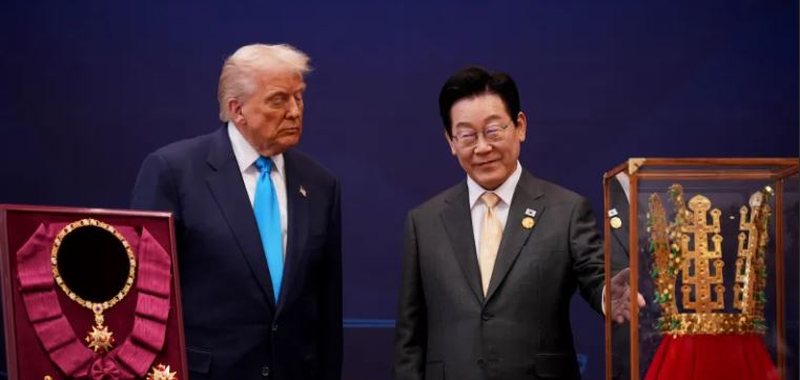
Trump increases trade tariffs on South Korea - From 15 to 25%. The Korean government has not approved the bilateral agreement
US President Donald Trump said he would raise tariffs on some goods from the Republic of Korea from 15 to 25 percent, accusing the country's government of......
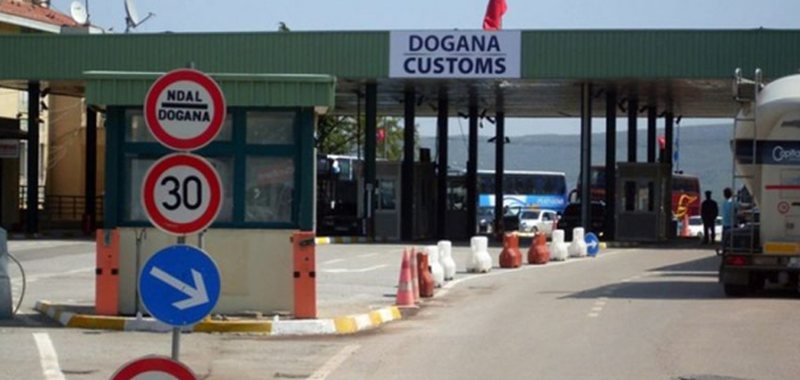
Customs, "national single window" created - Trade facilitated. Cost 1.4 million USD/year. Fee up to 75 euros for businesses
Albanian Customs will operate with a National Single Window. The draft law submitted for public consultation sets out the rules for the creation and......

Fluctuations in the foreign exchange market - How much are foreign currencies being exchanged today?
The US dollar has also recorded slight, relatively positive value fluctuations this morning compared to the day before, being bought today at 81 lek and......
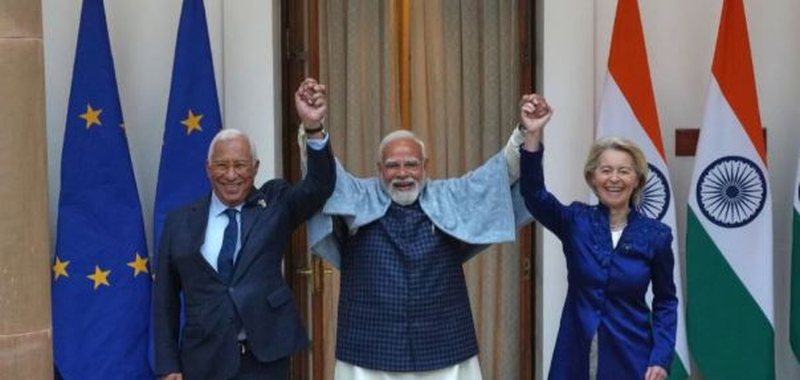
EU-India agreement signed - Free trade, what do European countries benefit from?
After months of intense negotiations, the European Commission on Tuesday finalized a free trade deal with India that significantly reduces tariffs on EU......
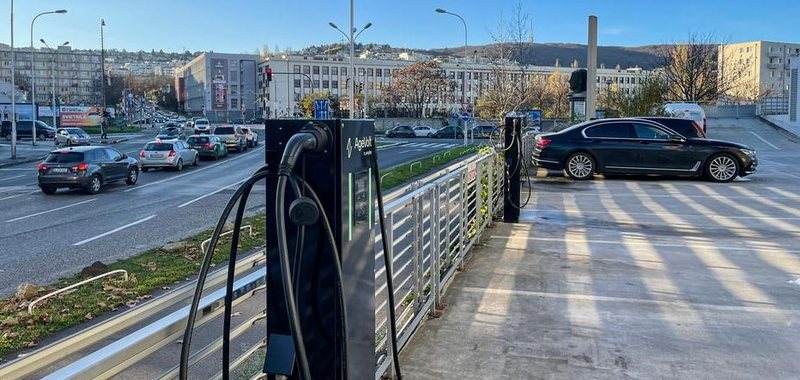
The country with 5.4 million inhabitants produces 1 million cars - How did Slovakia manage to gather so many car manufacturers?
Slovakia, which has a population of 5.4 million, produces almost one million cars a year. This number is small compared to the world's largest manufacturers,......
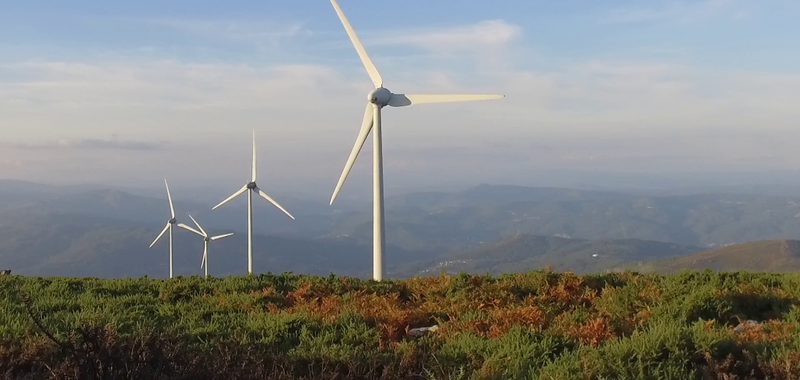
Hamburg, pact for 100 gigawatts of wind energy - EU: Clean energy, development and sovereignty
Britain, Germany, Denmark and other European countries will sign a renewable energy pact at a summit in Hamburg, securing the supply of 100 gigawatts of......