EU-India agreement signed - Free trade, what do European countries benefit from?

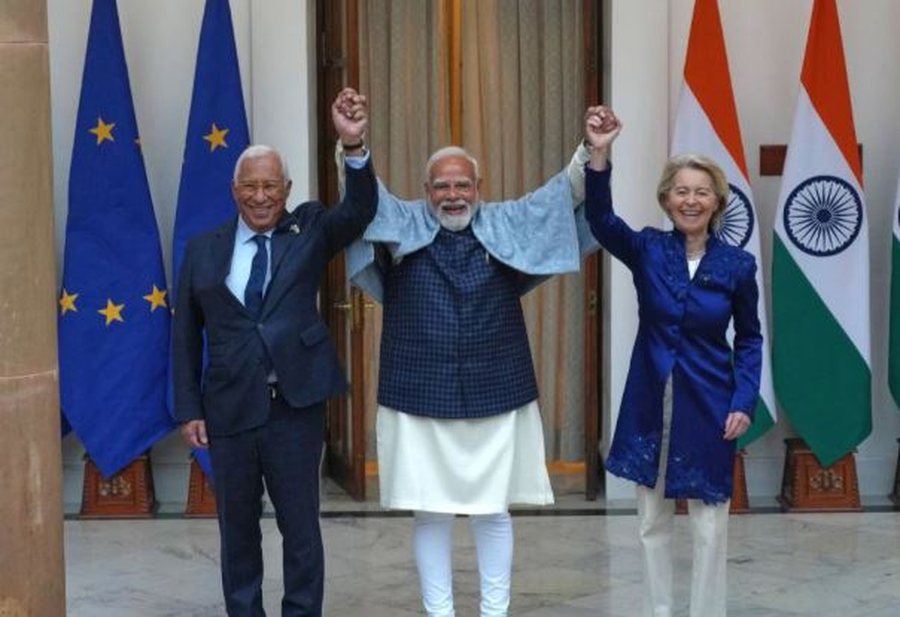
After months of intense negotiations, the European Commission on Tuesday finalized a free trade deal with India that significantly reduces tariffs on EU products, from cars to wine, as the world seeks alternative markets after tariffs imposed by President Donald Trump.
The announcement came during a high-level visit by European Union leaders, including Commission President Ursula von der Leyen. The two countries hailed a "new chapter in strategic relations" as both sides seek alternatives to the US market.
India is currently facing 50% tariffs from the Trump administration, which has severely damaged its exports. After signing the Mercosur agreement with Latin American countries earlier this month, the EU has said it aims to accelerate its trade agenda with new partners.
European Trade Commissioner Maroš Šefčovič, who is responsible for negotiations on behalf of the 27 EU member states, said Brussels aims for a swift implementation by 2027.
Under the agreement, the EU aims to double its exports of goods to India by 2032 by cutting tariffs on around 96% of EU exports to the country, saving around €4 billion a year in duties. At its full potential, the agreement creates a market of 2 billion people.
European carmakers emerge as clear winners, with Indian customs duties gradually reduced from 110% to 10% if conditions are met. Tariffs in sectors including machinery, chemicals and pharmaceuticals will also be almost completely eliminated.
Wine and spirits - major exports to countries such as France, Italy and Spain - will see tariffs cut from 150% to around 20 to 30%. Taxes on olive oil will be cut to zero from 40%.
After years of tensions with EU farmers, the Commission said sensitive agricultural products had been excluded from the deal, leaving out beef, chicken, rice and sugar.
Before the agreement can be implemented, the European Council and the European Parliament will have to ratify it, which could be a difficult process. The Commission hopes to start implementing the agreement from January 2027.
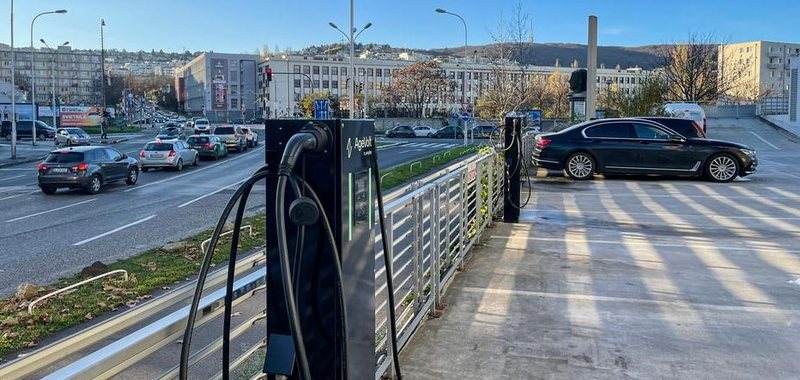
The country with 5.4 million inhabitants produces 1 million cars - How did Slovakia manage to gather so many car manufacturers?
Slovakia, which has a population of 5.4 million, produces almost one million cars a year. This number is small compared to the world's largest manufacturers,......
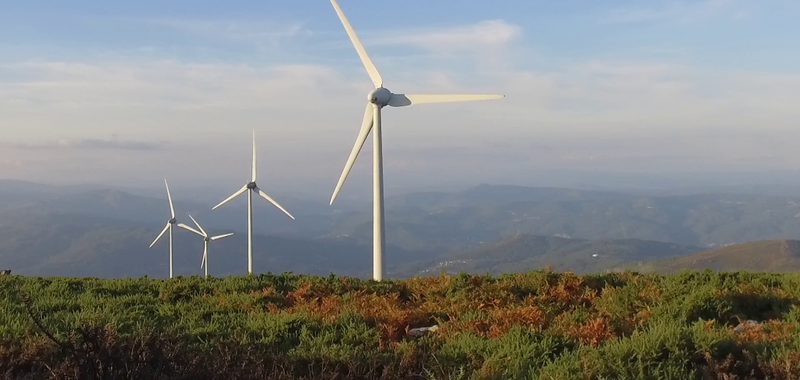
Hamburg, pact for 100 gigawatts of wind energy - EU: Clean energy, development and sovereignty
Britain, Germany, Denmark and other European countries will sign a renewable energy pact at a summit in Hamburg, securing the supply of 100 gigawatts of......
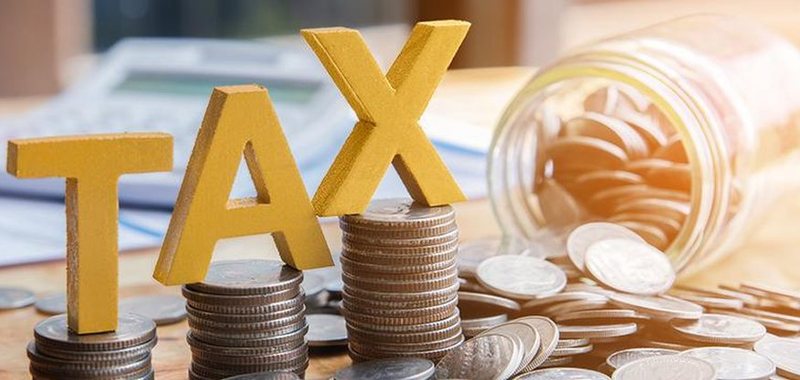
How do digital services taxes vary in Europe? - On average they are 3-5%. Hungary has the highest rate of 7.5%
The digital economy poses growing challenges for tax systems, as online services expose the limitations of current frameworks. Virtual enterprises, such as......

1 billion euros in energy investments - Economic reform package 2026-2028, increase in foreign investments
The new package of economic development reforms is expected to bring a significant increase in Gross Domestic Product (GDP), improving annual growth by......
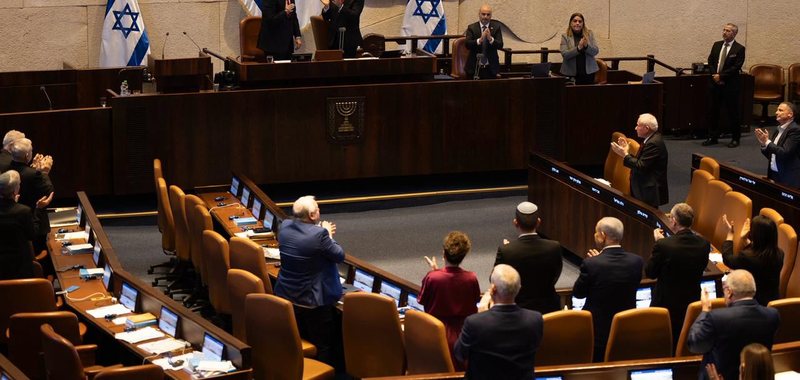
"Take Florin, not the Jews", Edi Rama's words that brought the Israeli Parliament to its feet
In a special session, Prime Minister Rama addressed the Israeli parliament with a speech, after being received with a state ceremony by Prime Minister......
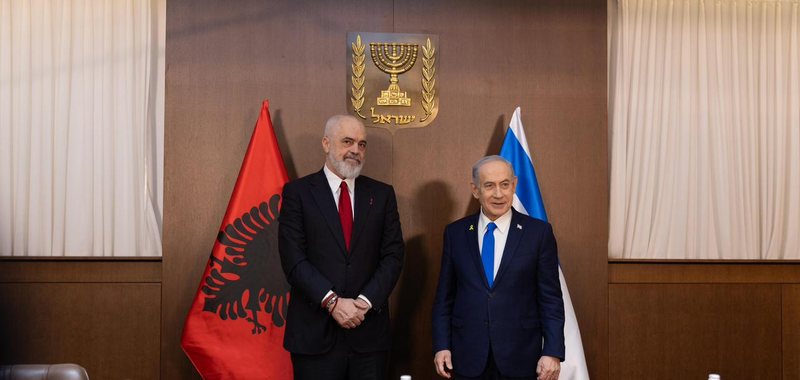
Rama in Israel, received by counterpart Netanyahu - In the afternoon, the speech in the country's parliament, the Knesset
Prime Minister Edi Rama is conducting an official visit to Israel where he met with his counterpart Benjamin Netanyahu and will deliver a speech in the......
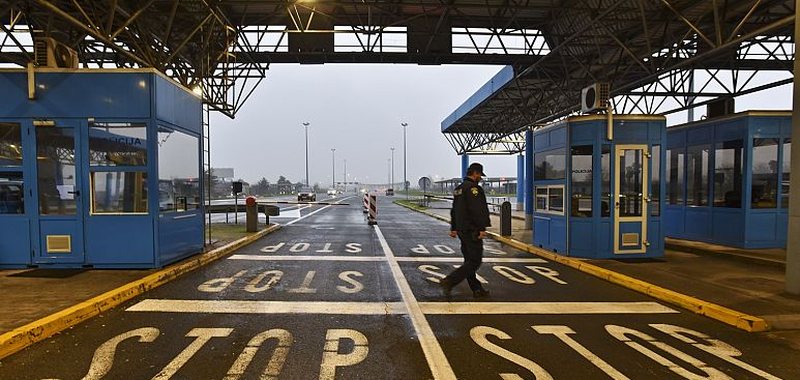
Facilities at road border points - Transport Community, request for Qafë Thanë, Hani i Hotit and Kakavija
The latest report of the Transport Community highlights progress, but also challenges that remain open regarding measures to improve efficiency at our......
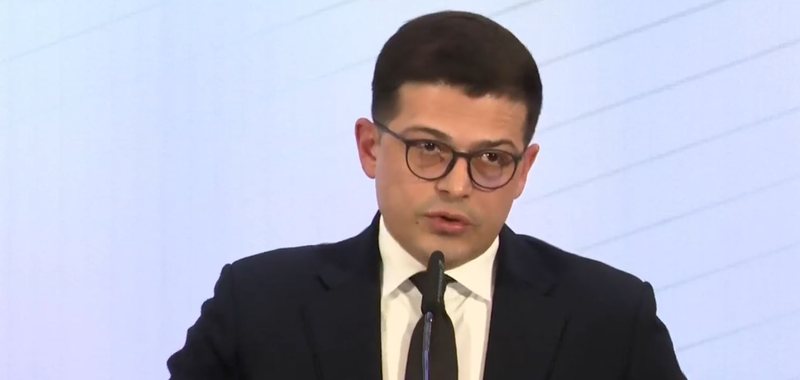
Minister Vengu: This year the defense budget reaches 2.12% of GDP
During a press conference, Defense Minister Pirro Vengu stated that "the 2026 budget is not a routine budget, it is a mechanism to strengthen the army. This......