Compulsory earthquake insurance, what are the risks? - Analysis/Differentiated premium may be a burden for the poorest segments of society


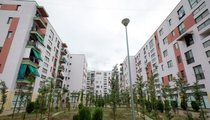
Mandatory insurance of homes against earthquakes and floods can be an instrument that offers real protection for citizens, but on the other hand it can create a new financial burden for citizens with lower incomes.
According to an analysis conducted by ALTAX, referring to the latest version of the draft drafted by the Ministry of Finance, it is stated that basing the premium on the level of risk is an economically sound, but socially delicate principle.
According to the analysis, areas more exposed to earthquakes or floods, which often coincide with lower incomes and weaker buildings, will be entitled to higher premiums. This actuarial logic is technically correct, but without a solidarity component (targeted subsidies or restrictions for the most vulnerable) it can produce territorial and social differentiations that make the scheme unacceptable for a large part of the population. And at this point, the analysis emphasizes that actuarial justice should not sacrifice social justice.
It is also underlined that the long-term sustainability of this compulsory insurance depends on several key decisions. For this reason, it is recommended that fairness and proportionality of the premium should be achieved by combining real risk with solidarity mechanisms, so that the scheme does not become a regressive tax on poor families. Client protection and transparency, it is said, require independent auditing, rapid assessment processes and full information, to avoid abuses and loss of trust.
Fiscal stability, meanwhile, requires that the fund remain dedicated exclusively to compensation, reinsurance and operations, without the risk of redistribution for the overall budget deficit, as foreseen in the framework of the Organic Budget Law. In the event of a major catastrophe, indirect pressure remains real and may require strong initial capitalization and international reinsurance.
The analysis concludes that the reform has great potential to protect thousands of families from natural disasters and promote safer construction. But to make this a reality, it must above all be fair, transparent and fiscally sustainable. This approach, according to ALTAX, ensures that mandatory housing insurance will serve as a shield for all, and not as an additional burden on the most vulnerable.

How much did commercial flights increase in January? Eurostat: Albania, record increase of 115.7% compared to the pre-pandemic period
Commercial flights are increasingly becoming a direct indicator of tourism development and the dynamics of the movement of citizens, both domestic and......
China strengthens its positions, Saudi Arabia withdraws/ How did the main import trading partners change at the beginning of the year?
In January 2026, the structure of imports remains similar to that of the previous year, but with some notable movements in the relative weights of partners.......

300 million lek grant for startups in 2026 - State aid scheme for innovative enterprises approved
The government will financially support startups and their facilitators through 2026, through a state aid scheme in the form of grants, with a total fund of......

The Assembly elects the 4 members of the Supervisory Council of the Bank of Albania - Professionals of the economy and the banking sector
The Albanian Parliament has approved in a marathon plenary session the election of new members to the Supervisory Council of the Bank of Albania, the highest......

Durrës-Rrogozhinë train, tender for construction opens - Works include rehabilitation of 34 km of existing line and 5 stations
The Albanian Railways has opened the tender for the construction of the Durrës – Rrogozhinë railway line, part of Corridor VIII. The procedure has been......

How did this week end for the major currencies?
The US dollar has closed this week in volatility, experiencing continuous fluctuations as it was bought this morning at 81.5 lek and sold at 82.5 lek......

“Made in Europe” draft - EU aims for protection from China and the US
The British minister for EU relations has warned that the European Union's "Made in Europe" plan could impact supply chains by creating unnecessary trade......

Social housing and rental assistance - How much do European governments spend per person?
Housing is becoming a growing crisis across Europe. In December 2025, the European Commission announced its first European Affordable Housing Plan. The......