Why is the euro depreciating? - Analysis/ Appreciation of the Lek, from tourism and remittances

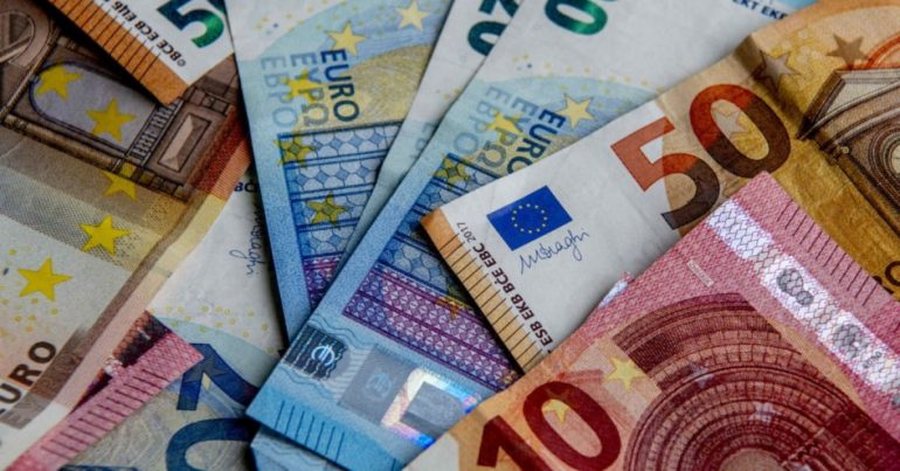
For a long time now, the Lek has continued to be strong against the European currency. But what are the reasons for its appreciation and how has it fluctuated over the years?
Referring to an analysis made by ALTAX, of the behavior of the exchange rate in Albania during the period 2015–2025 shows that the relationship between the lek and macroeconomic factors is not uniform in time nor symmetrical in intensity. The exchange rate does not react the same in all economic situations, but exhibits different behaviors depending on the phase of the economic cycle, the level of pressure in the market and the structure of foreign exchange flows. In this sense, the movements of the lek cannot be interpreted as the result of a simple monetary mechanism, but as the product of an economic structure characterized by asymmetry, euroization, pronounced seasonality and selective institutional intervention.
One of the most consistent findings is that the lek lacks a clear self-regulating mechanism. According to the analysis, in periods when the lek strengthens significantly, it tends to remain strong for longer than would be justified by real economic fundamentals.
According to the analysis, foreign exchange flows from tourism and inflows from various sources play a key role. Over the past few years, the significant increase in the number of tourists and the increase in remittances from emigrants and other sources have created a structural surplus of euro in the market, which is not fully neutralized by the demand for imports or investments. This has produced a continuous pressure towards the strengthening of the lek, especially in the periods when these flows are at their peak. In other words, the Albanian economy is more sensitive to foreign exchange inflows than to their lack, which creates a structural trend towards the appreciation of the lek.
The analysis also states that inflation and interest rates only affect when they cross high perception thresholds, not under “normal” conditions. Meanwhile, the Bank of Albania's interventions are effective only in extreme situations, not as a daily stabilization instrument.
According to the analysis, the economy is deeply euroized and the Euro is still used as a store of value, while the Lek remains mainly an accounting unit. It is noted that the strengthening of the Lek helps imports and inflation, but harms exports and domestic production.
The findings suggest that the exchange rate in Albania is not simply the result of supply and demand in the foreign exchange market, but a reflection of an economic architecture built on euroization, seasonality, and unstable expectations.
Monetary policies have a limited role and function mainly in extreme conditions, while structural and institutional factors remain the real determinants of the dynamics of the lek.

7 subjects cannot be suspended from duty by court order - Manja presents the amendment to the Criminal Code: Investigations can be carried out
The Chairman of the Parliamentary Committee on Laws, Ulsi Manja, has presented the legal initiative regarding the amendments to Article 242 of the Criminal......
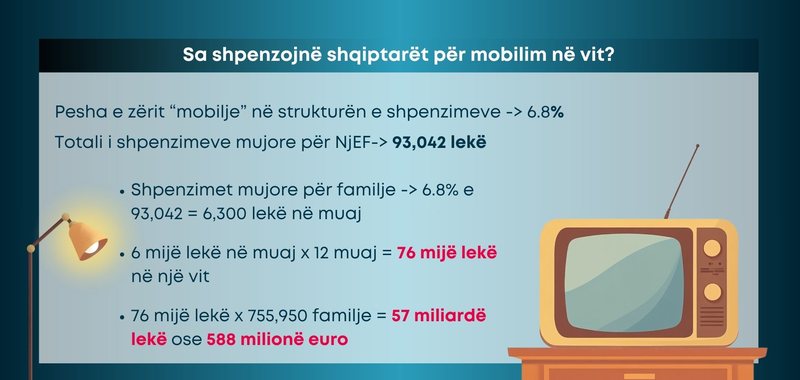
How much does it cost to furnish and maintain a home? From the sofa to the garden. An Albanian family spends about 76 thousand lek per year
In recent years, the home is no longer seen as just a basic need, but as a space where continuous investment is made. In the past, many Albanian homes were......
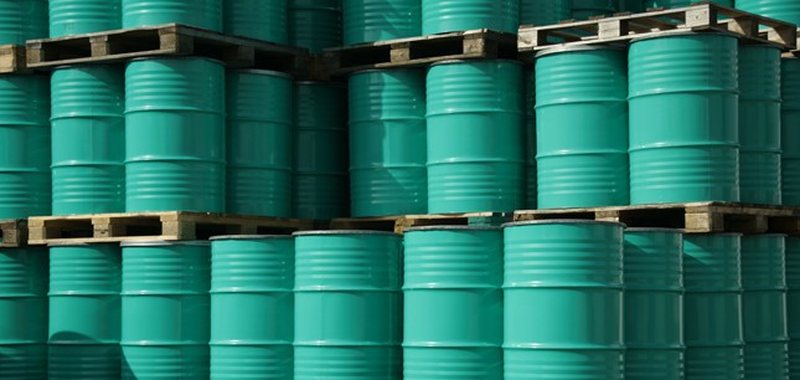
Albpetrol produces 65 thousand tons of oil - State-owned company reduces production by 5 thousand tons in 2025
About 65 thousand tons of oil were produced by the public oil extraction company Albpetrol during 2025, marking a decrease of about 5 thousand tons compared......

Suspension of ministers by the courts, SP presents legal changes Rama: The judiciary is not affected. Balluku has resigned three times
Socialist leader Edi Rama convened the parliamentary group this Monday, where legal changes to the Criminal Procedure Code were proposed, following the......

EU trade continues to shrink - As a result of US tariffs and Chinese competition
The EU's trade surplus continued to shrink as tariffs hit exports to the US and rising Chinese imports overwhelmed domestic production, highlighting......

Are Albanian businesses transforming? - Trade tradition towards space for technology
The structure of new businesses says a lot about a country's economic model. In the case of Albania, data for 2025 and early 2026 speak of an economy that......

Do listing prices match sales prices in Tirana? Properties sell on average 7% below the asking price, with differences depending on construction
In 2026, the real estate market in Tirana presents a significant difference between the price announced in the listing and the final sale price. According to......
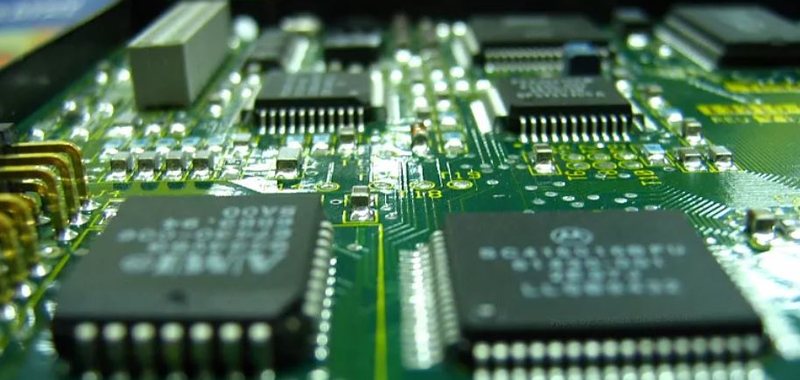
Chip shortage drives up smartphone prices - Analysis, technology will become more expensive this year
The benefits of artificial intelligence (AI) may come at a high cost to consumers. The growing demand for memory chips is driving up the price of smartphones......