EU trade continues to shrink - As a result of US tariffs and Chinese competition

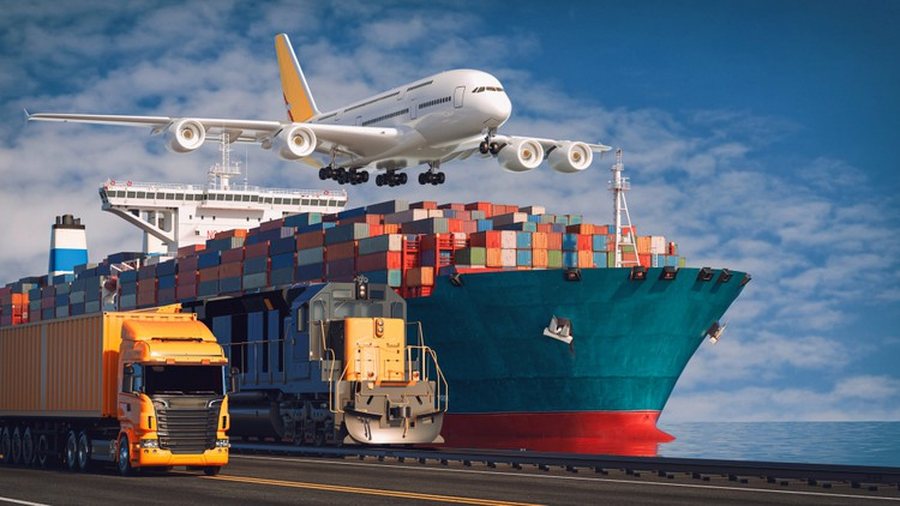
The EU's trade surplus continued to shrink as tariffs hit exports to the US and rising Chinese imports overwhelmed domestic production, highlighting existential threats to the bloc's economic model.
The trade surplus narrowed to 12.9 billion euros in December from 14.2 billion a year earlier, as sales of machinery, vehicles and chemicals, the engines of export growth for years, continued to fall, more than offsetting a rise from lower energy imports.
Hit by tariffs, exports to the US, the bloc's largest partner, fell 12.6% from a year earlier, cutting the surplus by a third to 9.3 billion euros, Eurostat data showed.
Meanwhile, the bloc's trade deficit with China widened to 26.8 billion euros from 24.5 billion and rose by about 15% for the full year, as China exported increasingly sophisticated technology, proving to be a major competitor for European firms.
Exports have been volatile since the US announced a series of tariffs in early 2025, but, taking this volatility into account, the trend shows significantly lower sales, as higher prices force US importers to either reduce purchases or source their products from other countries.
One small positive in the figures was that the surplus widened compared with the previous month, with machinery and vehicles marking a recovery. However, economists say it will take years for Europe to regain this lost market, leaving a huge gap in the economy, as net exports have been the key driver of growth and the euro zone is now facing years of expansion of barely above 1% a year.
The European economy appears to be resilient to the trade shock for now, as domestic investment and consumption related to artificial intelligence are accelerating, keeping GDP growth at a modest but still respectable rate.
In the last quarter of 2025, the euro area grew by 0.3%, in line with a preliminary estimate, Eurostat said in a separate statement. In addition to the slightly positive signs, employment in the euro area rose by 0.2% in the previous quarter, remaining stable from the previous three months and confirming views that the bloc continues to create jobs and a tight labor market will keep consumption high.

Are Albanian businesses transforming? - Trade tradition towards space for technology
The structure of new businesses says a lot about a country's economic model. In the case of Albania, data for 2025 and early 2026 speak of an economy that......

Do listing prices match sales prices in Tirana? Properties sell on average 7% below the asking price, with differences depending on construction
In 2026, the real estate market in Tirana presents a significant difference between the price announced in the listing and the final sale price. According to......
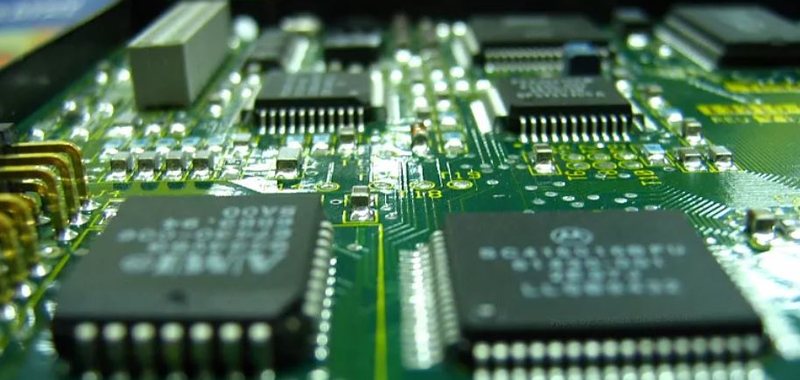
Chip shortage drives up smartphone prices - Analysis, technology will become more expensive this year
The benefits of artificial intelligence (AI) may come at a high cost to consumers. The growing demand for memory chips is driving up the price of smartphones......
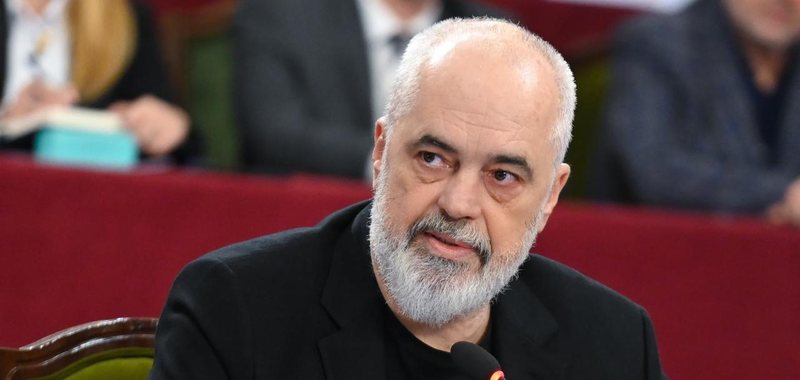
Socialist Party introduces legal changes that prevent GJKKO from suspending ministers
The Socialist Party parliamentary group has presented proposed legal changes, which aim to no longer allow courts to suspend ministers or other......

How has this week started for the major currencies?
The US dollar has not registered significant fluctuations this weekend, as it was bought this morning at 80.8 lek and sold at 81.8 lek without any noticeable......

Job cuts expected in Britain - Due to the launch of labor market reforms
More than one in three employers in the UK plan to cut permanent staff due to costs introduced by the government's employment law reforms, a survey has......
ECB opens euro "lifeline" - In an effort to increase global role
The European Central Bank is opening its euro rescue line to almost all countries to boost the single currency's global role amid geopolitical turmoil. The......
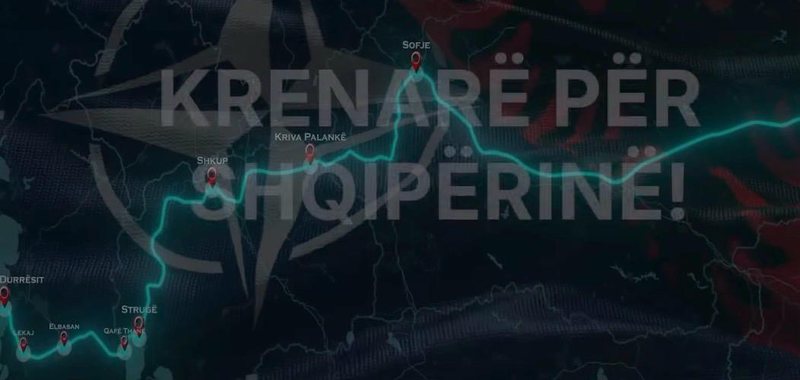
"Security corridor for NATO forces"/ Rama: Corridor VIII, part of the European TENT network
Corridor VIII, starting from the Durrës-Porto Romano port complex and exiting the Black Sea, has been officially included in NATO's critical military plans......