Which banknote do Albanians use the most? - SCAN Analysis: What do banknotes reveal about the Albanian economy?

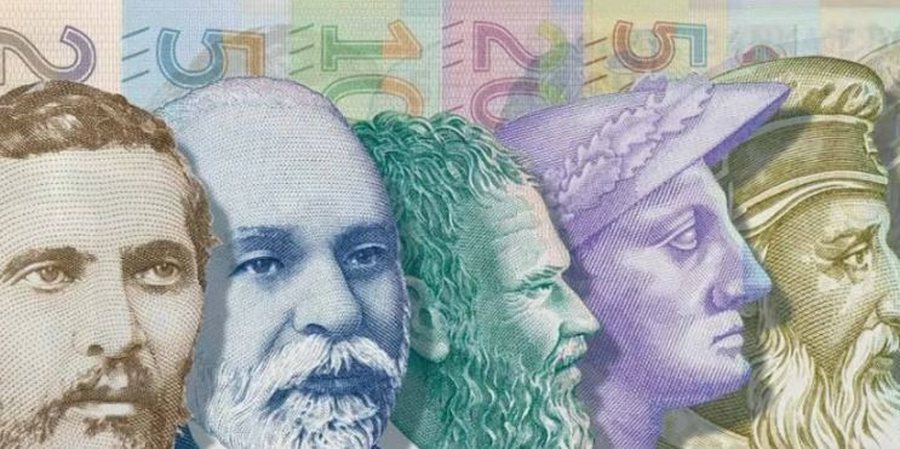
Every day, Albanians pay with cash for coffee, food, or small services. But which banknote changes hands the most often? And which one carries the greatest weight of physical money in the economy?
Bank of Albania data shows that the answer is not as straightforward as it seems and varies depending on how cash use is measured.
If we talk about the number of banknotes in circulation, that is, the denominations that are most frequently used in everyday payments, it turns out that the most present are the 1,000 and 2,000 lek banknotes. They are the denominations that circulate most frequently in ordinary transactions of citizens, in small purchases and routine payments.
But the picture changes when the analysis is done in monetary value. According to the structure of cash in circulation, the banknote that carries the greatest weight is the 5,000 lek note. Not because it is used more frequently than other denominations, but because it represents a higher value per unit and concentrates a significant portion of the physical money in the economy.
Bank of Albania reports show that the structure of banknotes has gradually changed, but without being overturned, despite strong shocks such as the pandemic, rising inflation, or the introduction of the 10,000 lek note. Even after these developments, the 5,000 lek note continues to remain the mainstay of cash in value.
At the same time, the total number of banknotes in circulation in Albania has remained relatively stable. In the last five years, it is estimated at around 150 to 160 million pieces, indicating that changes are not occurring in quantity, but in the way cash is used.
One of the main reasons is related to the gradual shift of small payments towards electronic means. Small denominations, such as 200, 500 and 1,000 lek, are used less today than before, while bank cards and transfers are replacing cash in frequent payments. This explains why the number of banknotes in circulation remains stable, while their role in the economy is being reshaped.
Another trend highlighted by the reports is that banknotes are “living” longer. They are being replaced and destroyed less frequently in relation to the total stock, an indication that cash is circulating more slowly and being held longer outside the banking system.
Data shows that cash in Albania is not disappearing, but is changing its function: from an everyday means of payment, towards an instrument of storage and financial security.

Trump threatens 200% tariff on French wines - After Macron is unwilling to join the "Peace Board"
US President Donald Trump threatened to impose 200% tariffs on French wines and champagne after French President Emmanuel Macron was reported to be unwilling......
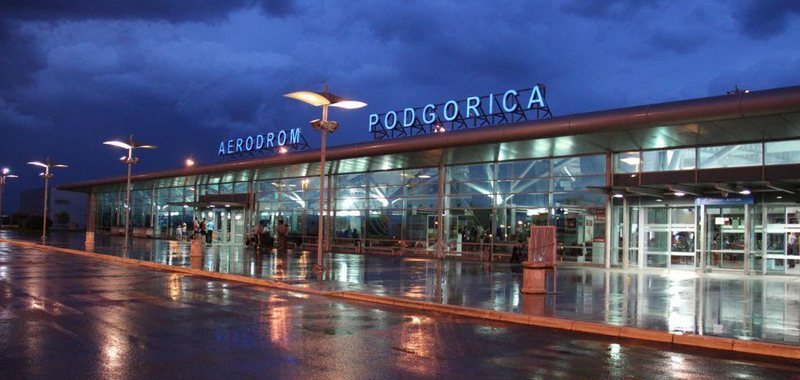
Podgorica aims to win back Tirana passengers - Last year 140,000 Montenegrins used the "Mother Teresa" airport
Podgorica Airport hopes that the upcoming opening of Wizz Air’s base in the Montenegrin capital will help it win back some of the 140,000 Montenegrin......

Business optimistic about the EU, but seeks information - Survey/ Lack of transparency, an obstacle to entrepreneurship preparation
Businesses in Albania see the process of integration into the European Union as a development opportunity, but face a significant lack of information and......

ChatGPT will use user conversations for advertising - Profitable strategy for $1.4 trillion infrastructure investment
OpenAI announced that it will test conversation-based ads within the free version for registered US adult users. The company is also launching an $8 per......
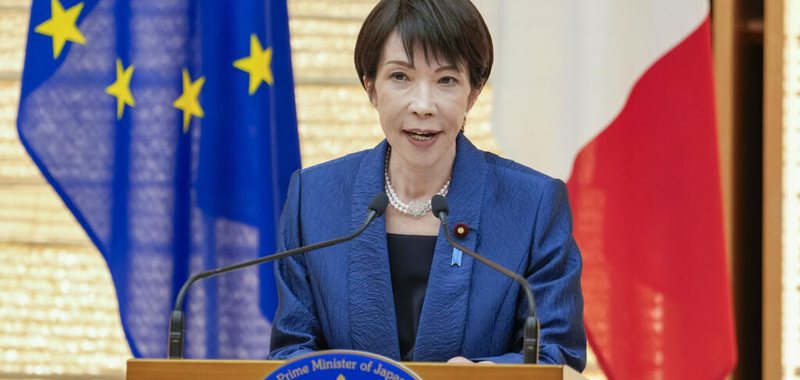
Japan risks financial instability - Early elections, Prime Minister: 2-year exemption from consumption tax
Japanese Prime Minister Sanae Takaichi called a snap election on the promise of suspending an 8% food tax for two years, despite the potential pressure on......
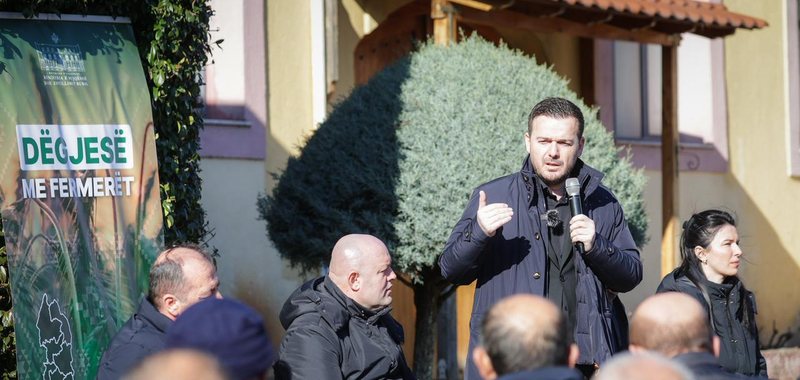
5.2 billion lek support, the Chamber starts hearings for the 2026 National Scheme
The Minister of Agriculture and Rural Development, Andis Salla, has launched today from Librazhdi the tour of hearings with farmers in the framework of the......
Inflation in Albania lower than in the Balkans/ Eurostat: The rate in 2025 is estimated at 2.3%, compared to 2.5% in the EU
Annual inflation in Albania, measured by the Harmonized Index of Consumer Prices (HICP), marked an average increase of 2.3% during 2025, positioning itself......
New Generation Roads - Transport Community: Albania, with 63% implementation level of the Action Plan
Albania has made steady progress in implementing the New Generation Roads Action Plan, reaching an overall implementation level of 63%, according to the......