Minimum wage increase demanded - North Macedonia with 397 euros, second to last in the region

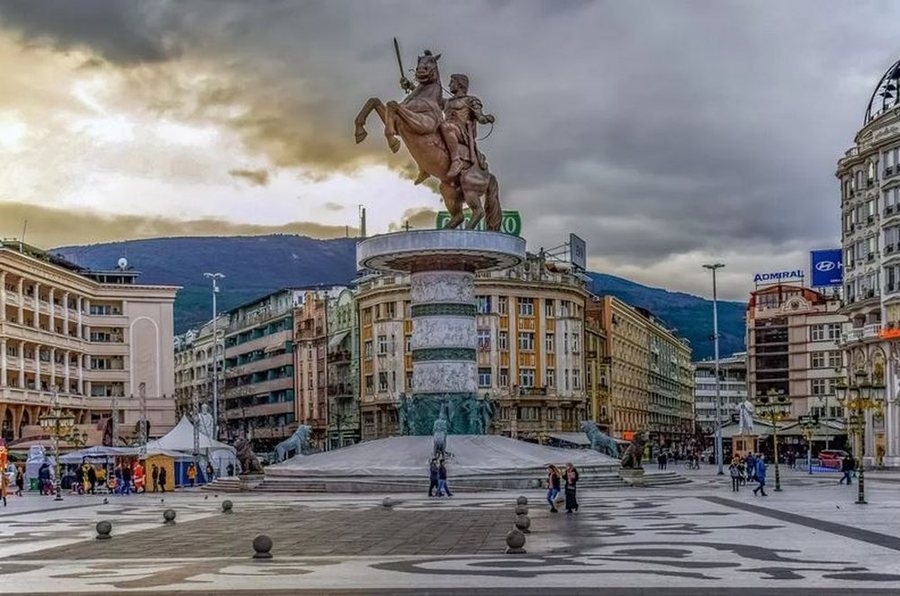
With a minimum wage of 24,379 denars, or about 397 euros, North Macedonia remains at the bottom of the list in the region even in 2026. Only Kosovo is behind it with a minimum wage of 384 euros. According to regional comparisons, the highest minimum wage is received by citizens of Montenegro, 600 euros, while in Serbia it ranges from 505 to 580 euros, depending on the number of working hours. In Bosnia and Herzegovina, the minimum wage is 525 euros, in Republika Srpska 511 euros, while in Albania from the beginning of this year it was 444 euros.
According to data, about 40,000 workers in North Macedonia live on the minimum wage. Meanwhile, calculations by the League of Trade Unions of Macedonia (LSM) show that a family of four, in December 2025, needed about 65,492 denars to survive a month, of which over 23,000 denars were for food and drinks alone. This means that even two and a half minimum wages are not enough to cover the union's consumer basket.
The main demand, according to the unions, is for the minimum wage to increase to 600 euros, as well as a linear increase in all other wages by 100 euros. This demand comes in conditions of inflation of 4.1 percent on an annual basis, according to data from the State Statistical Office, while retail prices in 2025 have increased by 3.7 percent.
After not receiving support even for a minimum wage of 500 euros last year, the League of Trade Unions has warned of protests after January 20. The goal, they say, is to improve living standards, harmonize with regional minimum incomes, and prevent the departure of the workforce.
Meanwhile, according to the government, the solution must be found through an agreement between employees and employers.
The minimum wage in the country is adjusted annually in March, with 50 percent of the increase in the average net wage and 50 percent of the cost of living index. For March 2026, according to current estimates, the increase would be between 6.5 and 7 percent, or an additional 1,500 to 2,000 denars – well below the demands of the unions and below the regional average.
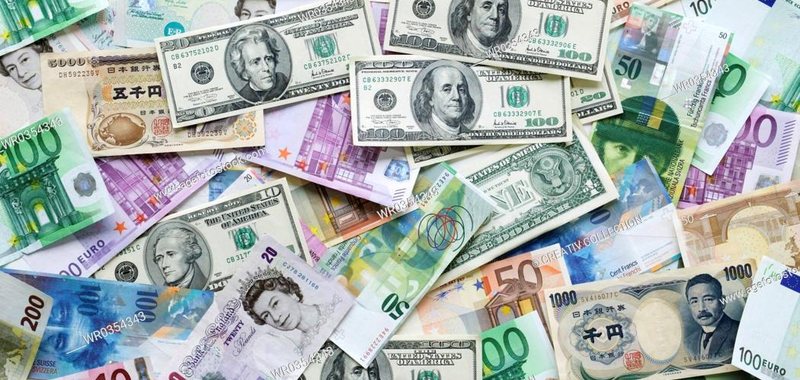
How has this week started for the major currencies?
The US dollar has had a quiet weekend, not experiencing strong price movements compared to the week before, being bought this morning at 82.6 lek and being......

Billionaires' wealth reaches new peak - Oxfam: Their influence on the world is growing
The wealth of billionaires grew three times faster than the previous year, reaching the highest level ever recorded, deepening economic and political......
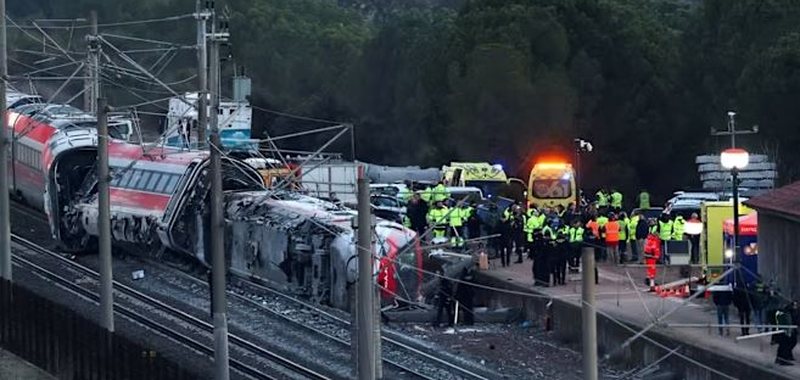
39 dead in Spain train crash - 75 passengers hospitalized, 15 in critical condition
At least 39 people have died in a high-speed train crash in southern Spain and rescue efforts are ongoing. The crash happened when the rear of a train......
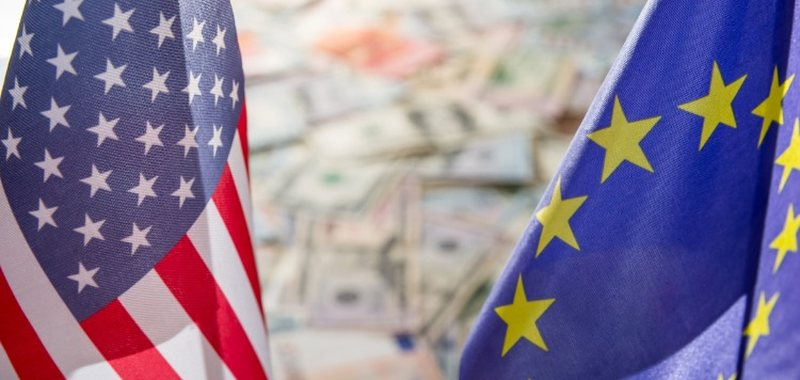
What is the EU's anti-bailout instrument? - The Union can hit the US by activating this mechanism
Pressure is mounting on European leaders to use their trade bazooka against the United States after President Donald Trump threatened new tariffs if Denmark......
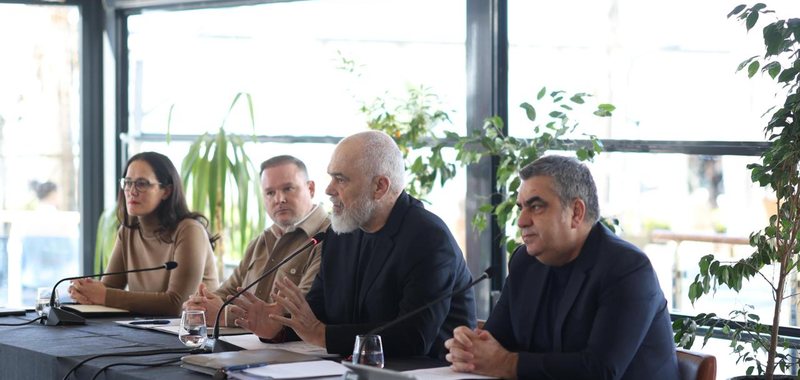
Ibrahimaj: Entrepreneurial municipalities, we will apply financial instruments for local economic development
The Minister of Economy and Innovation, Delina Ibrahimaj, at the meeting attended by Prime Minister Edi Rama, the Minister of Local Government, Ervin Demo,......
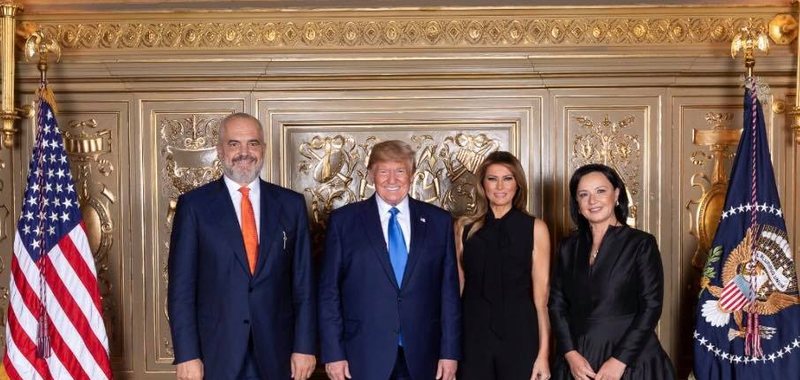
"Proud of Albania", President Trump invites Rama to the Peace Board for the administration of Gaza
Prime Minister Edi Rama has written on his social media that he has been invited by US President Donald Trump to join the Peace Board, a structure that will......
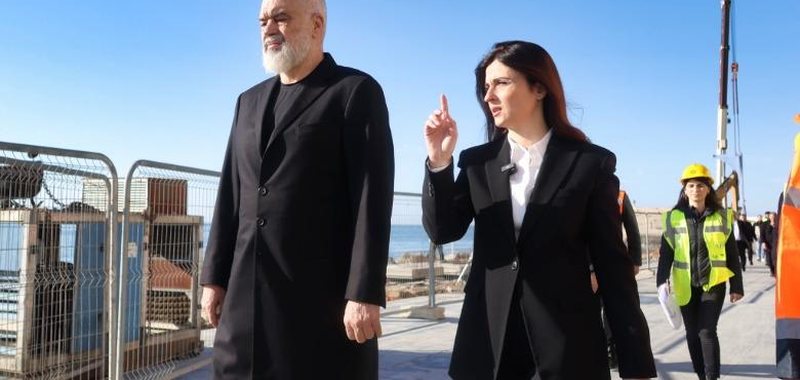
After meeting with the mayors, Rama inspects the 'Taulantia' promenade and the multimodal center in Durrës
Prime Minister Edi Rama, after meeting with the mayors, visited the construction site of the "Taulantia" promenade, accompanied by Mayor Emiriana Sako. This......

Rama in Durrës: Municipalities, tourism and the environment at the center of 2026 challenges
Prime Minister Edi Rama is in Durrës where he is holding a meeting with the country's mayors. During the meeting, he discussed the challenges that await......