What is the EU's anti-bailout instrument? - The Union can hit the US by activating this mechanism

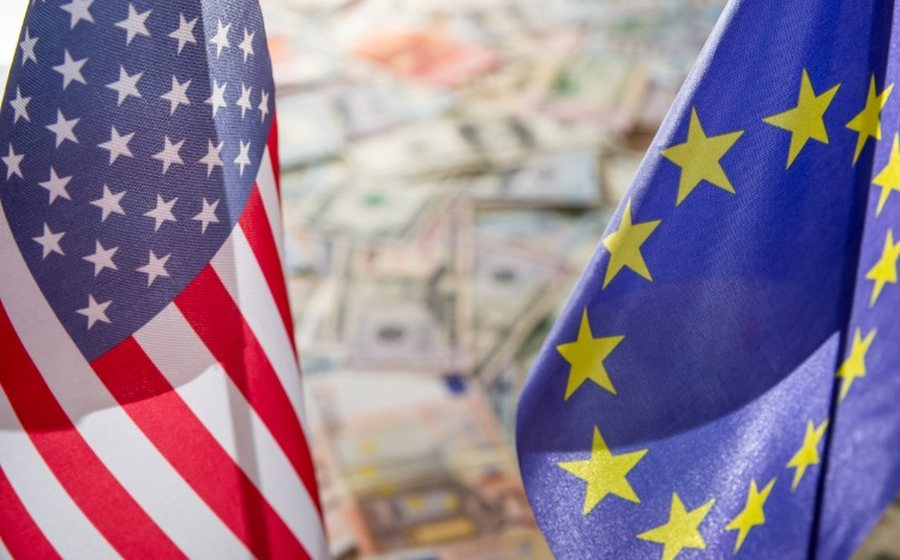
Pressure is mounting on European leaders to use their trade bazooka against the United States after President Donald Trump threatened new tariffs if Denmark does not agree to sell the territory of Greenland. In a tightening scenario, the EU relies on a powerful tool in the anti-bureaucracy instrument and calls for Brussels to activate it are intensifying.
Adopted in 2023, the tool was designed with the US and China in mind, as the world's two largest economies become more determined to advance their national interests through tariffs and the weaponization of natural resources.
Under existing legislation, economic coercion exists when a third country “implements or threatens to implement measures affecting trade or investment with a view to preventing or securing the termination, modification or adoption of a given act by the European Union or a Member State”.
President Trump is threatening tariffs ranging from 10% to 25% starting February 1st if Denmark doesn't agree to sell Greenland by June. On paper, it looks like coercion.
Why is the anti-coercion tool seen as a bazooka?
Last year, the EU considered various options for possible retaliation, while the US threatened to hit the bloc with tariffs on Liberation Day.
Brussels has drawn up a list of US items to be hit, mainly affecting states run by Republican governors, in a move against each other. At the height of transatlantic tensions, the EU said it would target goods worth 93 billion euros, including bourbon, aircraft parts that have damaged Boeing, soybeans and poultry, among others.
The EU decided not to retaliate and approved a deal that tripled tariffs on the bloc to 15%, while cutting tariffs on US industrial goods to zero. While the deal was seen as unbalanced and unfairly biased in Washington's favor, the Commission said it had provided clarity and stability for businesses in a difficult geopolitical scenario.
At the time, the idea of using a commercial bazooka was only mooted, but never seriously considered. This was because the anti-coercion tool was seen as the nuclear option.
The ACI allows the EU to cut off access to the single European market, which represents 500 million consumers. It restricts trade licenses and access to public procurement tenders. For US services, this means the European market is off the table.
The tool is not automatic and takes time to implement. For many, the power behind it comes in the form of deterrence. With the trade bazooka gone, it is clear that the EU is serious and ready to go to war with the single market as leverage.
Once the issue of coercion is raised, the European Commission has four months to assess the case and the actions of the third country in question, after which EU member states must decide by qualified majority whether to activate the instrument or not.
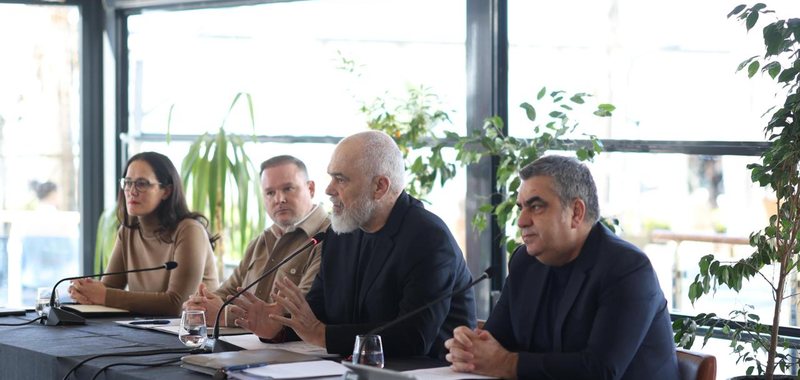
Ibrahimaj: Entrepreneurial municipalities, we will apply financial instruments for local economic development
The Minister of Economy and Innovation, Delina Ibrahimaj, at the meeting attended by Prime Minister Edi Rama, the Minister of Local Government, Ervin Demo,......
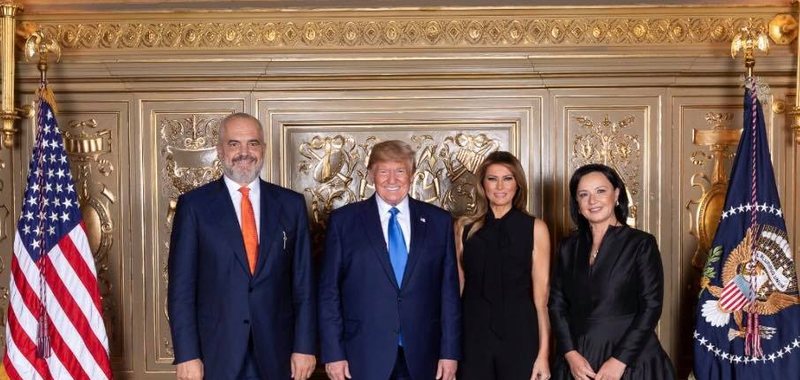
"Proud of Albania", President Trump invites Rama to the Peace Board for the administration of Gaza
Prime Minister Edi Rama has written on his social media that he has been invited by US President Donald Trump to join the Peace Board, a structure that will......
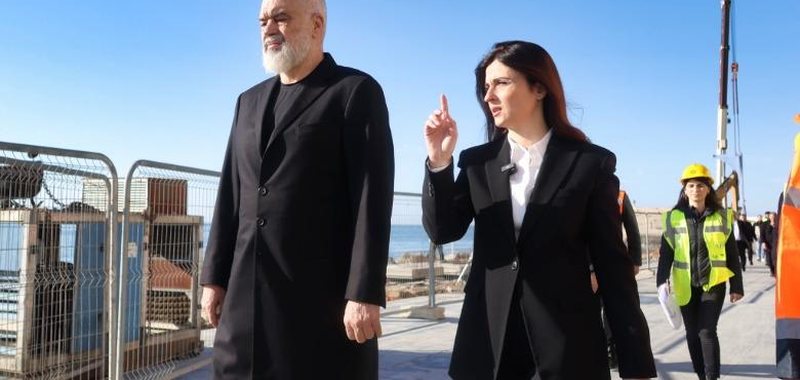
After meeting with the mayors, Rama inspects the 'Taulantia' promenade and the multimodal center in Durrës
Prime Minister Edi Rama, after meeting with the mayors, visited the construction site of the "Taulantia" promenade, accompanied by Mayor Emiriana Sako. This......

Rama in Durrës: Municipalities, tourism and the environment at the center of 2026 challenges
Prime Minister Edi Rama is in Durrës where he is holding a meeting with the country's mayors. During the meeting, he discussed the challenges that await......
The most intelligent Albanians in the Balkans/ We improve by 4 points, ranking 19th
About 1.2 million people from around the world have taken part in the international IQ test, conducted in dozens of different countries, with the aim of......
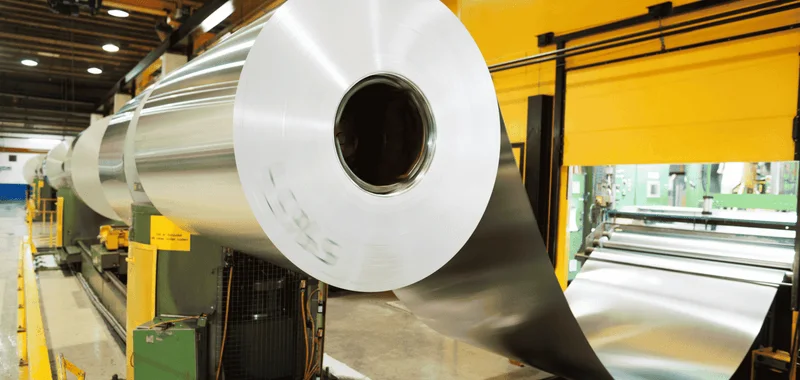
EC: Heavy industry to produce 'Made in Europe'/ The goal is to revive the industry in the face of competition
The European Commission is asking for support from heavy industry representatives, in sectors such as steel or aluminium, to expand 'Made in Europe'......

Trump: Tarifa vendeve që e kundërshtojnë për Groenlandën/ Kërcënim aleatëve evropianë me tarifa mbi produktet farmaceutike
Presidenti i SHBA-së, Donald Trump, tha se mund të zbatojë tarifa për vendet që kundërshtojnë kontrollin e Groenlandës nga Uashingtoni. Presidenti amerikan......
7.1 million euros from energy sales/ Rainfall increases production, KESH develops 3 procedures
As flows in the Drini Cascade reached high levels as a result of recent weeks' rainfall, the Albanian Power Corporation has developed several sales......