Heat wave increases solar energy production - Ember Analysis/ Up to 17% more in Europe

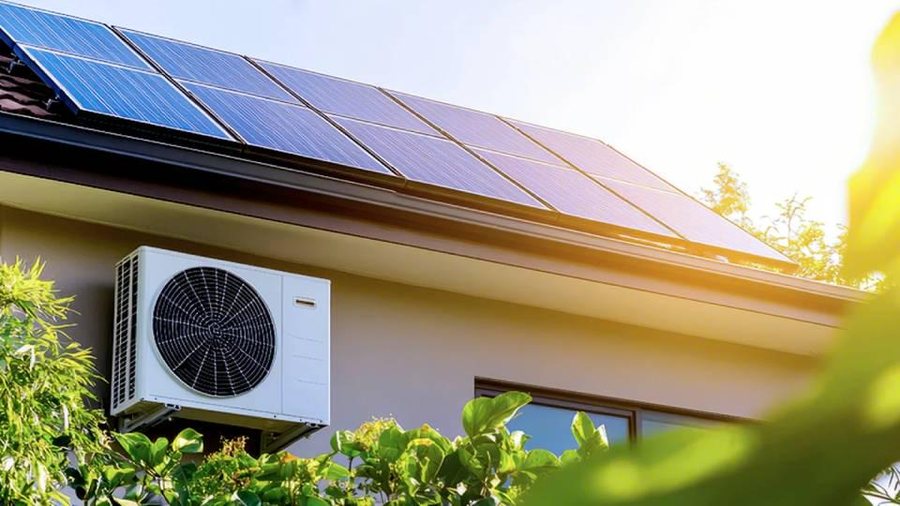
The heat wave in Europe has led to a significant increase in solar energy production, helping European countries cope with high demand for electricity during days of extreme temperatures.
According to an analysis published by energy research organization Ember, solar production in some European countries increased by up to 17% during heatwave days in June and July.
The researchers point out that solar energy played an important role in supplying the grid at a time when energy demand increased by up to a quarter due to high temperatures. The increase is mainly related to the greater use of air conditioners, which require significant amounts of energy.
According to Ember's analysis, during the heat wave in late June, daily energy demand increased by 28% in Italy, 23% in Hungary, 14% in France and 13% in Spain, compared to the days before the heat wave.
In the same period, solar energy was the main energy source that performed better than usual. Average daily solar production during heat waves increased by 17% in France and Hungary, by 5% in Spain, while in Italy it remained at levels similar to normal days.
However, extreme temperatures and drought created problems for other sources of energy production. Low water levels on the Danube River forced Hungary to limit nuclear power generation, while hydroelectric power plants in the Alpine region approached their lowest levels ever recorded.
Fossil fuel energy production was also affected by water shortages. In Poland, a coal-fired power plant was forced to reduce production due to critical water levels in the Vistula River.
The heatwaves also led to significant increases in energy prices. In late June and early July, average daily energy prices rose by 119% in Hungary, 44% in France, 13% in Italy and 7% in Spain, compared to the previous week.
Experts estimate that the price increase indicates the need for greater investments in battery energy storage systems, which enable the storage of excess energy produced by solar panels and its use during hours when solar production falls.

Albania and Poland formalize social security agreement
Albania welcomes the signing by the President of Poland, Karol Nawrocki, of the Agreement on Social Security between the Republic of Albania and Poland. The......
General decline in the foreign exchange market – Foreign currencies weaken significantly
The US dollar closed this week negatively after recording a significant drop in value this Friday compared to the recovery it marked yesterday, being bought......

Demand for credit does not stop - BoA Report: Businesses seek money for investments, individuals for housing and consumption
Credit to the private sector continues to grow at high rates, indicating strong demand from both businesses and individuals. Bank of Albania data for the......

The worst is yet to come - El Niño is preparing us for an extreme year in 2027
The worst is yet to come: Western Europe has just experienced its hottest June-July on record, with the continent forced to contend with drought, wildfires......

Trump, tariffs also on drone imports - Aims to reduce foreign dependence and boost domestic production
President Donald Trump said he would impose tariffs on imports of drones and their components, including those from several key U.S. allies, with the Trump......

Europeans, cash payments - ECB survey of 8,205 companies in 21 eurozone countries
Cash acceptance has returned to the eurozone after a decline caused by lockdowns and business and travel restrictions imposed by governments during the Covid......

Kosovo, 60 million euros in tax evasion in 6 months - Problems, construction, wholesale trade, hospitality and some services
In the first half of 2026, the Kosovo Tax Administration carried out around 1,015 audits, where around 60 million euros in tax evasion were identified. Among......
How the sun is changing Albania's energy map - Installed energy production capacities increased by 34% in four years
Albania's energy map has been changing rapidly in recent years. In just over four years, the country has added about 883 MW of generating capacity, but the......