How will the conflict affect European energy markets? - Policymakers should plan for a long standoff in the Middle East

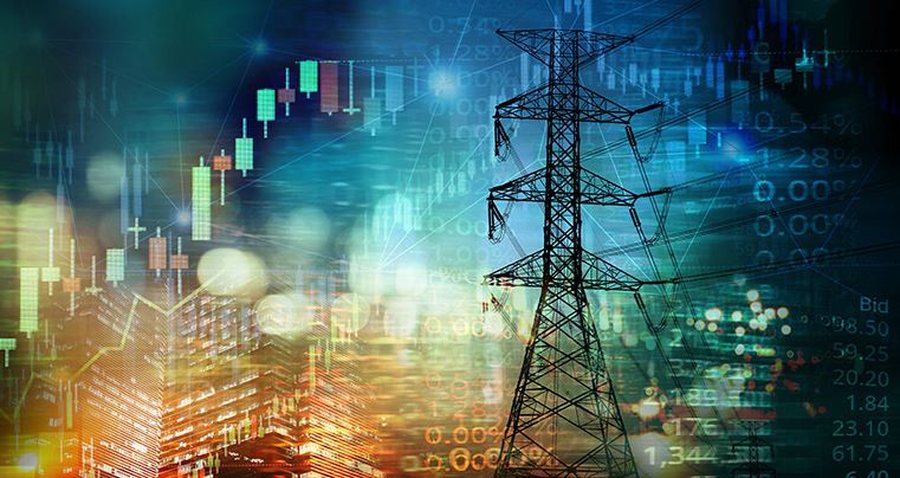
The attacks against Iran by the United States and Israel have reopened the most important energy security issue in the global economy, the disruption of Middle Eastern oil and gas flows that pass through the world's most important energy transport point, the Strait of Hormuz.
At risk are about 20 million barrels per day of oil and petroleum products, roughly a fifth of global consumption, plus all liquefied natural gas (LNG) exports from Qatar and the United Arab Emirates, equivalent to about 20% of global LNG trade.
A short conflict would inject a geopolitical risk premium into oil and gas markets. A prolonged disruption – perhaps several weeks – would begin to erode inventories, constrain logistics and tighten global oil and gas balances, with much larger effects on prices.
Europe is much less dependent on Gulf oil and LNG than China, India, Japan or South Korea, but it is not isolated. Oil and LNG are global markets: any blockage of the Strait of Hormuz could cause immediate price increases that would hit Europe despite its limited physical imports.
Europe's most pronounced weakness is LNG. If LNG flows through the Strait of Hormuz are restricted, global gas availability on the market is immediately reduced. Europe would then be forced to compete with Asian buyers for flexible cargoes on the market - something that was seen during the 2021-2023 energy crisis.
This would increase gas prices in Europe, especially because Europe started 2026 with much lower gas storage levels than in recent years: 46 billion cubic meters (bcm) at the end of February 2026, compared to 60 bcm in 2025 and 77 bcm in 2024.
Storage replenishment operations could be disrupted, putting pressure on industrial energy costs in Europe. Higher gas prices impact energy prices and industrial margins, particularly for gas-intensive sectors.
If oil and gas prices rise in parallel, substitution will be more difficult, potentially triggering new demand for coal and pressure for demand-side savings. Achieving Europe’s goal of reducing industrial energy costs – an issue at the heart of EU leaders’ concerns about competitiveness – could become more complicated.
If they have not already done so, European policymakers should prepare contingency plans in the event of a prolonged stalemate in the Middle East.
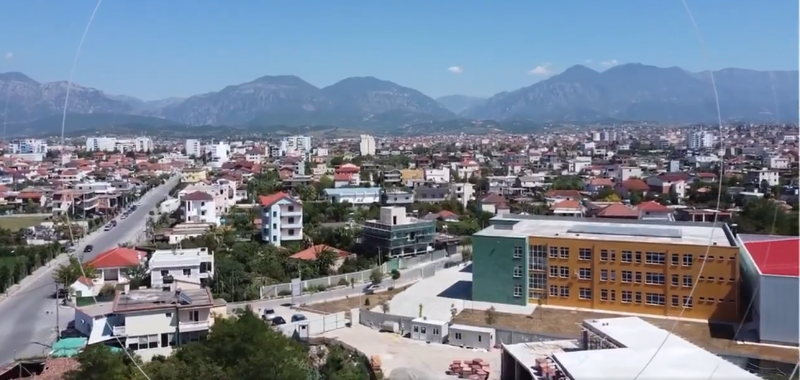
Study/ Kamza, Albania's energy "hotspot" - The density of heating demand is about 4 times higher than in Tirana
When talking about energy in Albania, attention usually focuses on Tirana as the country’s largest urban center. However, according to the latest Energy......
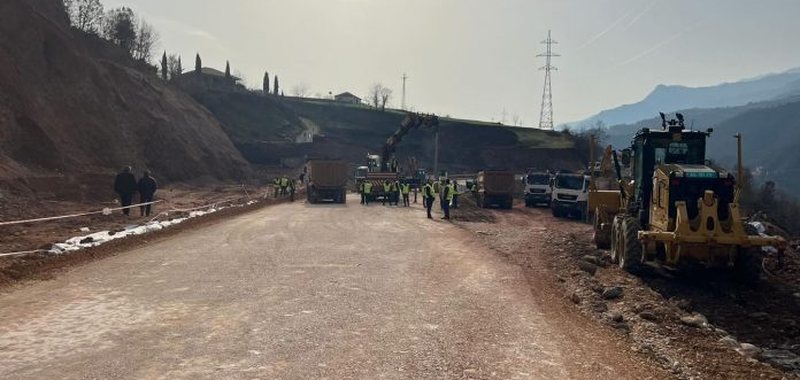
ARRSH: The Librazhd-Përrenjas axis is open to all vehicles
The Albanian Road Authority announces that starting today at noon, 12:00, traffic will be restored for all vehicles on the Librazhd-Përrenjas axis, which was......
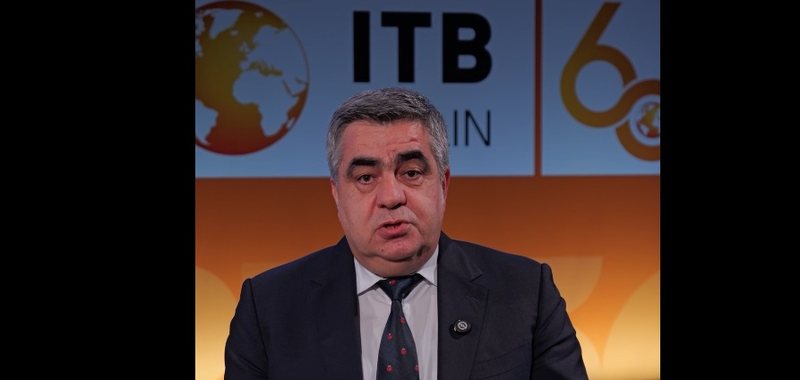
Albania at the Tourism Fair in Berlin, Gonxha part of the UN Tourism Ministerial
This year, Albania will also be part of the ITB Berlin Tourism Fair. On the eve of its opening, the Minister of Tourism, Blendi Gonxha, participated in the......
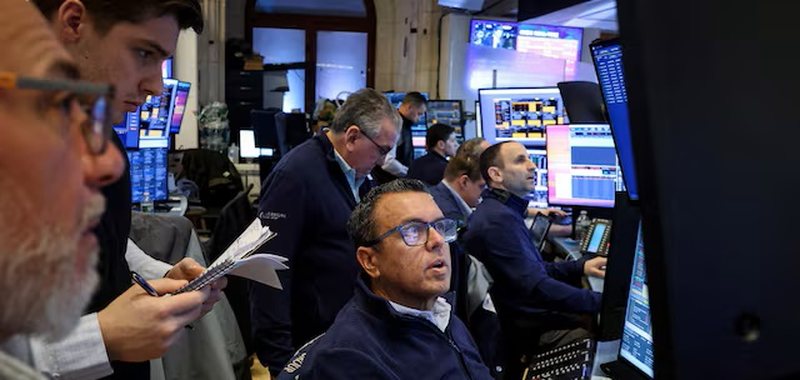
Reuters Analysis: From oil price surges to stock volatility: How Middle East conflict is driving markets
An escalating conflict in the Middle East rocked global markets on Monday, as the prospect of a protracted war pushed up energy prices and hit travel stocks......
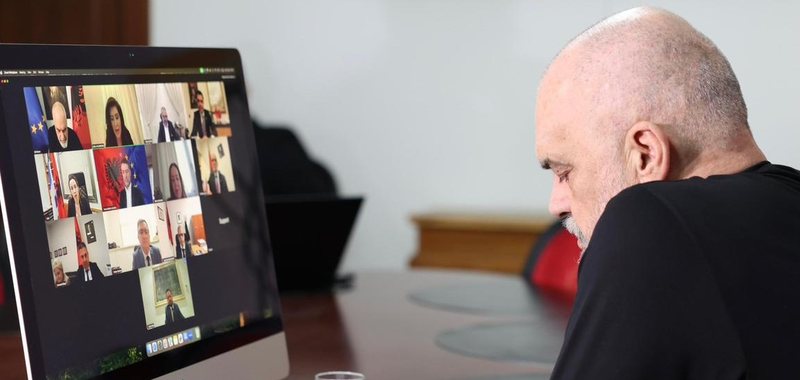
Conflict in the Middle East, Prime Minister Rama communicates with Albanian ambassadors in affected countries
Following the escalation of the security situation in the Middle East, Prime Minister Rama held a communication with the ambassadors of the Republic of......
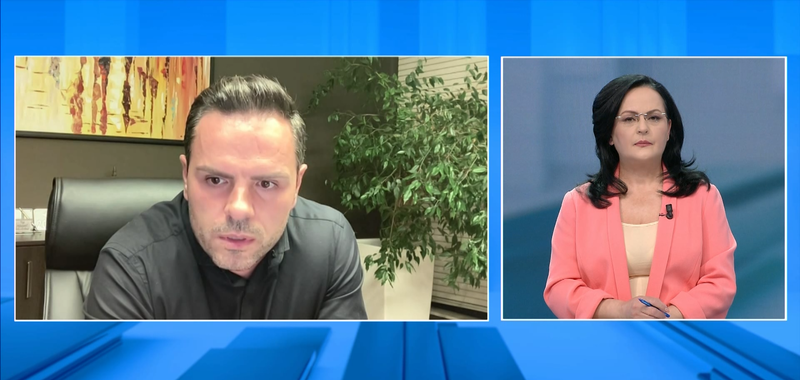
Librazhd Prrenjas, Kozeli axis opens tomorrow: The segment will be asphalted in 10 days
Tomorrow at noon, the Librazhd Prrenjas road axis will be opened to traffic. It will be accessible to all types of vehicles. In an interview for SCAN TV, the......
Energy Community: Albania gave a clear message on decarbonization - Report/ Concrete commitments, now only 22-23% consists of renewable sources
Our country has taken an important step towards compliance with European Union standards in the field of energy efficiency, after submitting to the Energy......
Will Albanians reduce their vacations in Dubai? Çobo: So far, every reservation is suspended
The recent tensions in the Middle East are being reflected not only in international markets, but also in the tourism sector. Destinations like Dubai,......