Energy costs rise for British households - Bills rise by 4% since October. Highest price in three years

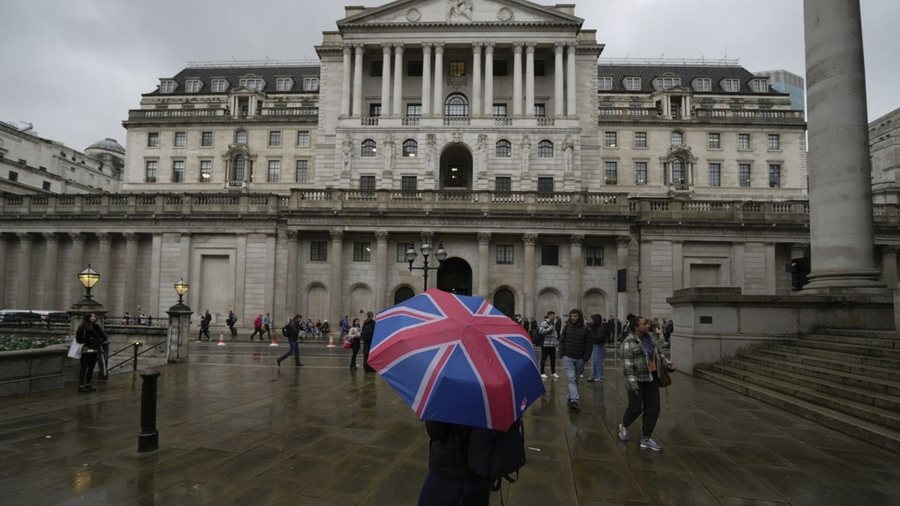
Gas and electricity prices in Britain will rise by 4% from October, after rising by 13% at the start of July, affected by the rise in global energy market prices caused by the war in the Middle East.
The UK's energy regulator, Ofgem, said the new tariff for around 22 million households was equivalent to £1,723 a year for a typical household's gas and electricity use, compared with an increase of £1,663 for the July-September period.
As the bill rises in successive quarters, a typical household will pay an extra £350 a year more than in 2024, when the Labour government came to power with the promise of cutting bills by £300 a year by the end of the decade.
Around a third of households who buy their energy through fixed-price agreements will not be affected by the change to the energy cap. The rise in energy costs has increased calls for the government to help households in need. There have been repeated calls for the government to finance additional measures by increasing taxes on windfall profits for energy companies and introducing a windfall profit tax for banks.
The regulator calculated the average of £1,723 based on the estimated energy use of a typical household. Since July, it has assumed lower annual energy use than in previous years because high energy costs have forced many households to use less gas and electricity.
More than a third of households have started to lower the temperature of their washing machines and radiators since 2023. Meanwhile, when the weather is colder, around a fifth of households have started going to bed early to warm up, or have only heated one room to save energy, a survey found.
Gas prices in Europe are rising sharply - Who will be the first to pay more?
Gas and electricity bills could rise in Europe this winter if wholesale prices remain high enough to reach consumers. The European benchmark price for......
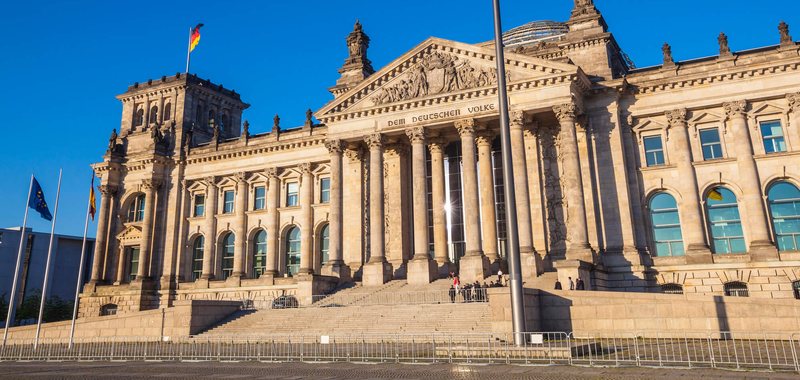
German economy grew despite crises - High debt increases the risk of the country's credit rating being lowered
The German economy is showing signs of life with new, albeit small, growth despite all the crises. From April to June, Gross Domestic Product (GDP) grew by......

Canada, tariffs of up to 50% for the US - Targeting about 20 billion USD of American products
Canada announced the imposition of reciprocal tariffs on the United States, according to the so-called "dollar-for-dollar" scheme, in retaliation for the 50%......
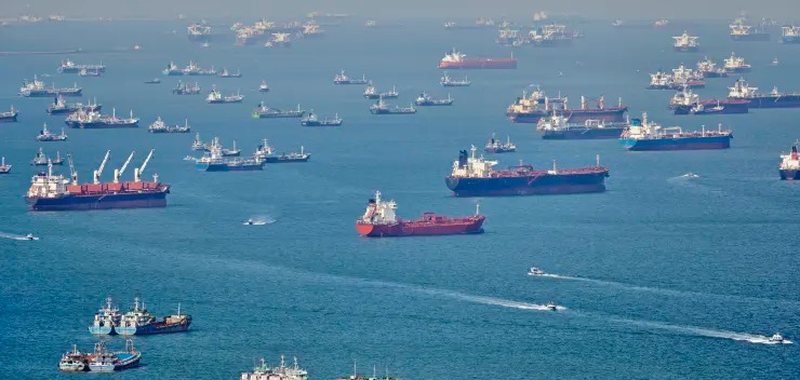
Maritime companies will report on greenhouse gases - New rules for ships, CO₂, methane and N₂O emissions will be monitored
Shipping companies will have to monitor and report greenhouse gas emissions from ships operating through Albanian ports. The obligations are set out in a......
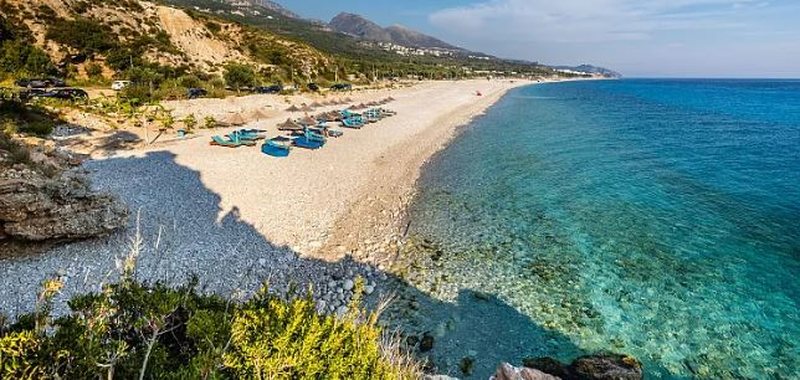
500 million lek for the rehabilitation of facades in Dhërmi - Intervention in 160 buildings. The aim is to restore the traditional identity
The Municipality of Himara has announced the opening of the competition for the rehabilitation and urban requalification of the facades and territory in the......

"Made in Albania" gains ground in the region/ More sales, less purchases. Albania strengthens positions with neighbors
Albania's trade with countries in the region is increasingly leaning towards exports. During the first seven months of 2026, Albanian sales to Kosovo,......

0% interest home loan/ Ibrahimaj: Call for 300 administration employees opens
The Ministry of Economy and Innovation has opened the call for applications for 300 loans with 0% interest, intended for public administration employees who......
511 million euros more in the state treasury - 7-month period/ Tourism, the main impact. Investments increase by 45 million euros
The state budget has collected around 484.6 billion lek in the first 7 months of the year, with 100% realization of the plan for the period. Total revenues,......